Back to Markets
Stocks● Neutral

NGT Sand Extraction Curbs Disrupt Kashmir Construction Supply Chains

NGT Sand Extraction Curbs Disrupt Kashmir Construction Supply Chains
ONHASASLOW

The NGT's ban on Jhelum sand extraction has stalled regional construction projects and disrupted the livelihoods of 15,000 families, creating a localized supply chain crisis.

AlphaScala Research Snapshot
Live stock context for companies directly referenced in this story
Alpha Score
46
Weak

Alpha Score of 46 reflects weak overall profile with strong momentum, poor value, poor quality, moderate sentiment.

Consumer Cyclical

HASBRO, INC. currently screens as unscored on AlphaScala's scoring model.

Consumer Cyclical
Alpha Score
47
Weak

Alpha Score of 47 reflects weak overall profile with moderate momentum, poor value, moderate quality. Based on 3 of 4 signals — score is capped at 90 until remaining data ingests.

Consumer Discretionary
Alpha Score
48
Weak

Alpha Score of 48 reflects weak overall profile with moderate momentum, weak value, weak quality, weak sentiment.

This panel uses AlphaScala-native stock data, separate from the source wire linked above.

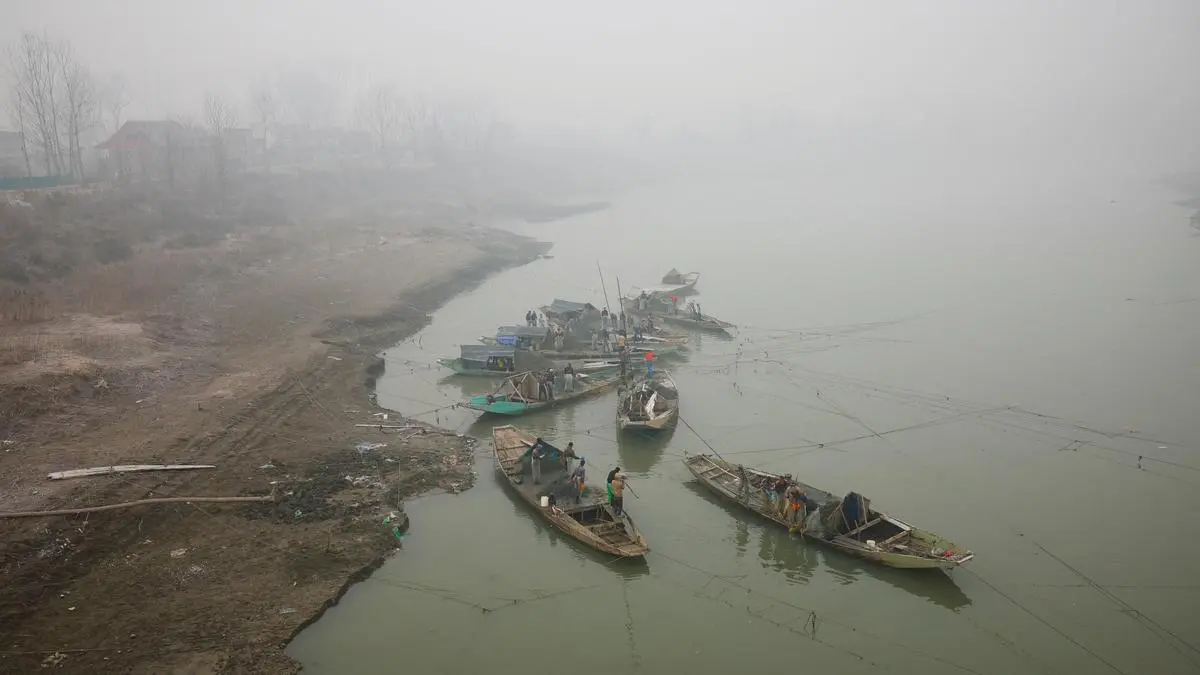
The National Green Tribunal (NGT) has implemented a strict ban on sand extraction along the Jhelum River, creating an immediate bottleneck for regional infrastructure development. This regulatory intervention has halted the primary supply of construction aggregates, impacting approximately 15,000 families who rely on riverbed mining for their livelihoods. The sudden cessation of activity has forced a standstill in local building projects as contractors face acute shortages of essential raw materials.

Supply Chain Disruption and Project Delays

The restriction on Jhelum sand extraction acts as a localized supply shock for the construction sector. Because sand is a high-volume, low-value commodity, transportation costs prohibit sourcing from distant regions. Consequently, the immediate halt in local production directly translates into project delays for both public infrastructure and private residential developments. Contractors are currently unable to secure the necessary volume of materials to maintain original construction timelines, leading to a buildup of idle capital and labor costs across the valley.

This disruption highlights the sensitivity of regional industrial interests to environmental policy shifts. Similar to the policy continuity observed in other regional industrial sectors, such as those discussed in our analysis of Assam Election Exit Polls Signal Policy Continuity for Regional Industrial Interests, the construction sector in Kashmir now faces a period of uncertainty regarding the duration and scope of these environmental mandates. The inability to predict the timeline for a resumption of extraction activities complicates long-term project budgeting and resource allocation.

Economic Impact on Regional Labor Markets

The economic consequences of the NGT directive extend beyond the construction site. The 15,000 families directly dependent on sand extraction represent a significant segment of the informal labor market in Pulwama and surrounding districts. The loss of this income stream creates a ripple effect, reducing local purchasing power and impacting small-scale service providers who cater to the mining workforce.

While the NGT mandate is intended to address environmental degradation, the lack of an immediate alternative supply chain creates a structural void. The regional economy is currently navigating a transition where environmental compliance is beginning to dictate the pace of physical development. For investors and stakeholders, this situation serves as a reminder of how regulatory oversight can rapidly alter the cost structure of regional industries.

AlphaScala Data and Market Context

Market participants often look for stability in sectors with high regulatory exposure. While companies like ON stock page and O stock page operate in different industries, they reflect the broader market focus on balancing operational efficiency with external compliance requirements. Currently, ON holds an Alpha Score of 46/100 with a Mixed label, while O maintains an Alpha Score of 55/100 with a Moderate label. The situation in Kashmir underscores the necessity of monitoring local policy shifts that can impact regional supply chains before they manifest in broader stock market analysis.

The next concrete marker for this situation will be the outcome of any formal appeals or revised environmental management plans submitted to the NGT. Stakeholders will monitor whether the tribunal establishes a structured, licensed framework for extraction that allows for the resumption of supply while meeting ecological standards. Until such a framework is codified, the construction sector will likely experience sustained volatility in material availability and pricing.

How this story was producedLast reviewed Apr 29, 2026

AI-drafted from named sources and checked against AlphaScala publishing rules before release. Direct quotes must match source text, low-information tables are removed, and thinner or higher-risk stories can be held for manual review.

Editorial Policy·Report a correction·Risk Disclaimer