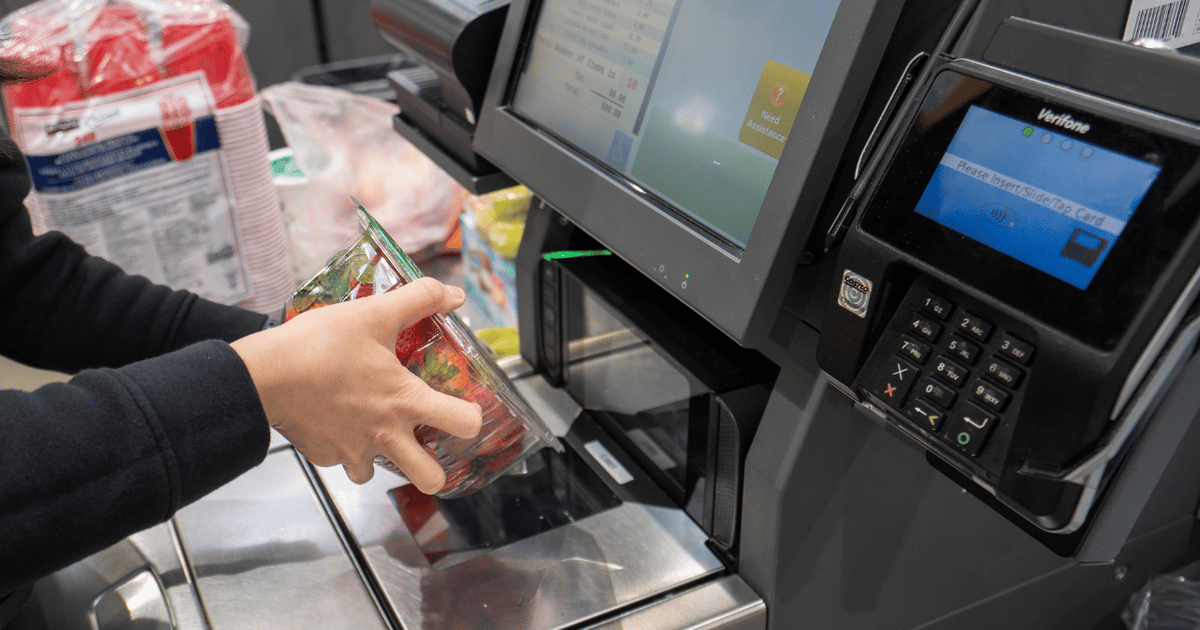
New York City is moving toward a legislative framework that would impose strict operational limits on self-checkout kiosks. The proposed bill seeks to mandate a 15-item limit for customers using automated lanes, a shift that directly challenges the current high-volume, low-labor model favored by major grocery chains and warehouse retailers operating within the five boroughs.
Operational Constraints on Retail Footprint
The introduction of a 15-item cap forces a fundamental change in how retailers manage floor space and labor allocation. For years, retailers have leaned into self-checkout technology to mitigate rising labor costs and optimize throughput during peak hours. By restricting the volume of goods allowed per transaction, the legislation effectively forces a portion of the customer base back into traditional, cashier-staffed lanes. This shift necessitates a recalibration of staffing schedules and potential redesigns of store layouts to accommodate longer queues in traditional checkout areas.
Retailers that rely on high-volume, bulk-purchase models face the most significant friction from this proposal. If enacted, the bill would likely lead to increased wait times and a reduction in the efficiency gains that self-checkout systems were designed to capture. The move reflects a broader regulatory interest in balancing automation with employment levels, placing the burden of operational adjustment squarely on the retailer.
Sector-Wide Read-Through
While the legislation is specific to New York City, the precedent could influence urban retail policy in other major metropolitan areas. Retailers often standardize their operational procedures across regional footprints to maintain consistency in supply chain and labor management. A successful implementation of item limits in a market as large as New York City may prompt similar legislative efforts elsewhere, creating a fragmented regulatory environment for national chains.
Investors should monitor how retailers adjust their technology investments in response to these potential constraints. If the cost of maintaining self-checkout systems outweighs the benefits under a restricted-item regime, companies may pivot toward hybrid models or reinvest in traditional point-of-sale infrastructure. This transition period involves capital expenditure shifts that could impact short-term margins for firms heavily invested in automated checkout technology.
AlphaScala Data and Market Context
Market participants often look to large-cap retail and healthcare-adjacent firms for signals on how labor-intensive sectors adapt to regulatory shifts. For instance, companies like Agilent Technologies, Inc. (A stock page) maintain a moderate Alpha Score of 55/100, reflecting the broader volatility inherent in sectors sensitive to operational and regulatory changes. While Hasbro, Inc. (HAS stock page) operates in a different segment, the broader stock market analysis suggests that consumer-facing firms are increasingly navigating a complex landscape of local mandates that can alter regional profitability.
The next concrete marker for this narrative is the committee review process in the City Council. The specific language regarding enforcement mechanisms and potential penalties for non-compliance will determine the severity of the impact on retail operations. Stakeholders will look for guidance on whether the city intends to mandate physical barriers or rely on store-level monitoring to enforce the item count. Any amendments to the bill that offer exemptions for specific store sizes or formats will be critical indicators of the final regulatory burden on the retail sector.