New York City Fan Zone Initiative Shifts FIFA 2026 Economic Narrative

New York City's plan for free, borough-wide FIFA 2026 fan zones signals a shift toward localized economic stimulation, prioritizing high-density foot traffic over exclusive revenue models.
Alpha Score of 45 reflects weak overall profile with strong momentum, poor value, poor quality, weak sentiment.
Alpha Score of 69 reflects moderate overall profile with strong momentum, moderate value, strong quality, moderate sentiment.
FIVE BELOW, INC currently screens as unscored on AlphaScala's scoring model.
Alpha Score of 58 reflects moderate overall profile with moderate momentum, moderate value, moderate quality, moderate sentiment.
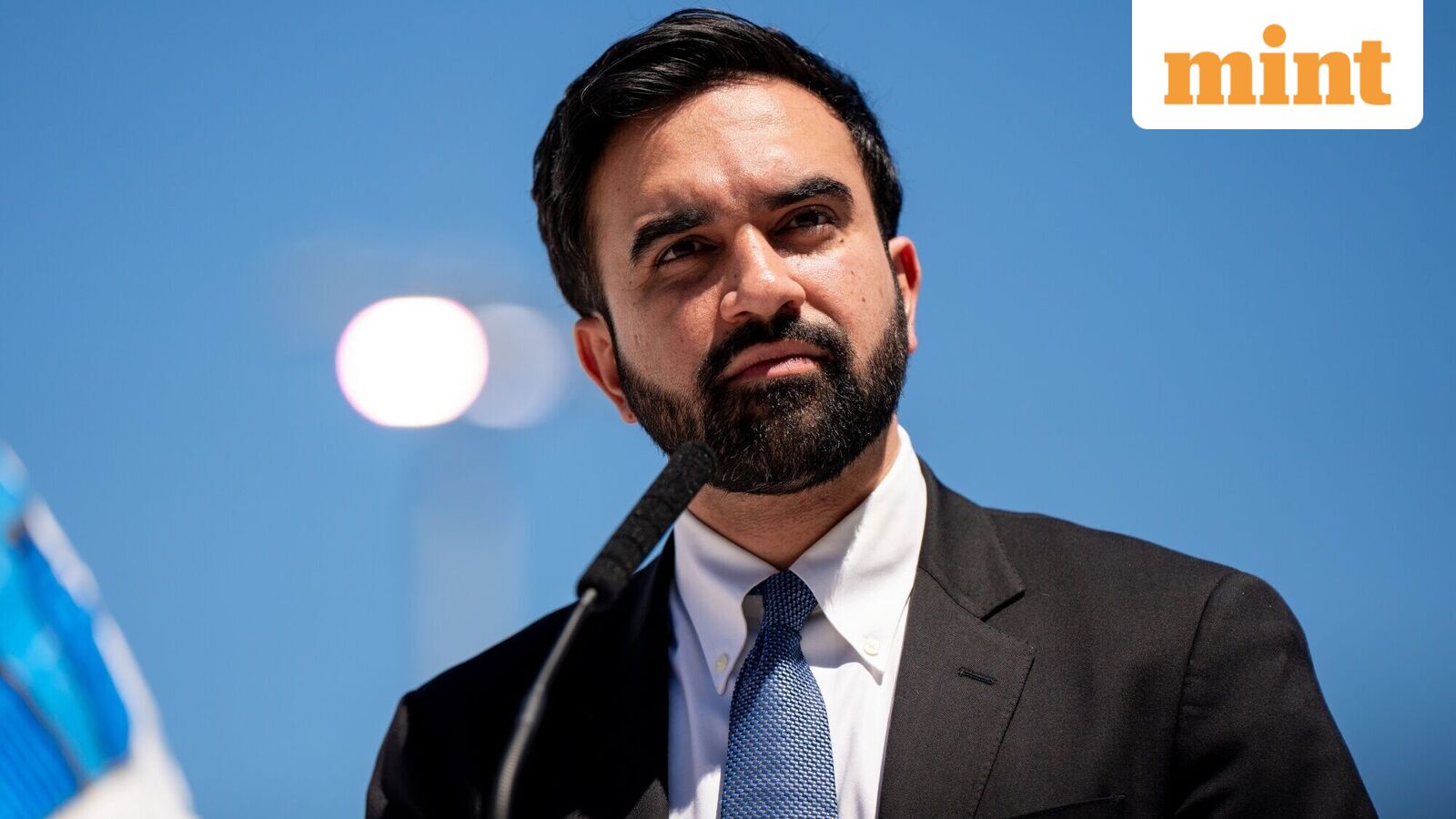
The announcement by Zohran Mamdani regarding free FIFA World Cup 2026 fan zones across all five boroughs of New York City marks a departure from the traditional high-cost model of major sporting event engagement. By prioritizing public access, the city is signaling a strategy focused on localized economic velocity rather than exclusive, high-ticket revenue streams. This move shifts the focus toward the broader retail and hospitality ecosystem that stands to benefit from the influx of foot traffic in public spaces.
Localized Consumption and Retail Impact
The decision to host free fan zones creates a concentrated environment for consumer spending within the city. While the events themselves are free, the proximity to local businesses, transit hubs, and retail corridors suggests a deliberate attempt to distribute the economic impact of the tournament beyond the stadium gates. This strategy relies on the assumption that high-density public gatherings will drive secondary spending in the surrounding areas. Retailers and service providers in the vicinity of these zones are now positioned to capture increased demand as the city prepares for a surge in visitors.
Infrastructure and Public-Private Coordination
The logistical requirements for hosting such widespread events necessitate a high level of coordination between municipal authorities and private sector partners. The success of this initiative depends on the city's ability to manage transit, security, and sanitation across multiple boroughs simultaneously. This scale of operation often involves partnerships with telecommunications providers, food and beverage distributors, and local transport networks. For investors, the focus remains on whether this public-access model can effectively stimulate local commerce without placing an undue burden on municipal budgets.
AlphaScala data currently tracks various sectors that may be influenced by these shifts in consumer engagement. For instance, the Financials sector often reflects broader economic confidence, while the Consumer Cyclical sector remains sensitive to changes in discretionary spending patterns. Monitoring how these sectors respond to large-scale, public-access events provides insight into the resilience of urban economies during major global spectacles.
The Path to Tournament Execution
The next concrete marker for this initiative is the release of the specific site locations and the procurement process for the necessary infrastructure and security contracts. The city will need to finalize its vendor list and public safety protocols to ensure that the fan zones can handle the projected volume of attendees. Market observers should watch for the subsequent announcement of corporate sponsorships or municipal budget allocations that will support these free events. These details will clarify the balance between public funding and private sector participation in the lead-up to the 2026 tournament.
AI-drafted from named sources and checked against AlphaScala publishing rules before release. Direct quotes must match source text, low-information tables are removed, and thinner or higher-risk stories can be held for manual review.