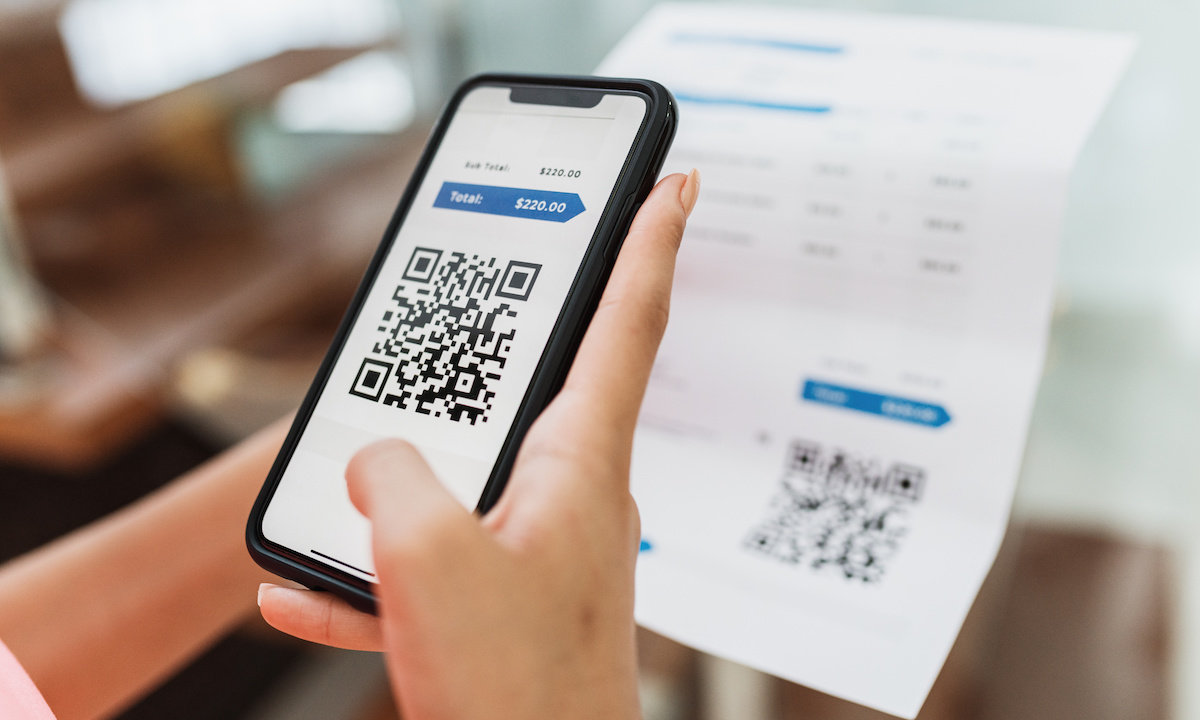
The new X9.150 standard creates a common QR code structure for U.S. instant payments, letting merchants route transactions across FedNow, RTP, ACH or stablecoin rails without changing the checkout flow.
The U.S. has spent years building instant payment rails. It has not had a simple, universal way for merchants and consumers to use them at checkout. That is the gap the new X9.150 standard aims to close.
The Accredited Standards Committee X9 published the specification Tuesday, July 14. It defines a common structure for dynamically generated QR codes that consumers scan inside an authenticated bank or wallet app to authorize a push payment. Instead of exposing account credentials or sending users through a generic web link, the code carries standardized payment instructions that participating institutions can securely interpret.
The standard is not about the QR code itself. It standardizes the initiation layer above the United States' fragmented collection of account-based payment systems. If widely implemented, it could make FedNow, the RTP Network, ACH credit transfers and potentially stablecoin payments look like one consistent checkout experience, even as transactions travel over different rails.
“Clear, consistent standards like X9.150 make it easier for everyone to trust the payment experience, whether you’re a business accepting a payment or a customer making one,” said Amy Burr, executive vice president, chief product and relationship officer, Federal Reserve Financial Services, in a statement. “When the industry aligns on secure, interoperable approaches, it opens the door to better experiences for consumers and smoother operations for providers across the board.”
The architecture shifts competition in account-to-account payments. Banks and fintech companies would compete less over proprietary QR codes and more over routing, fraud controls, liquidity, pricing and the quality of the bank-app experience. Merchants could gain access to multiple methods without turning checkout into a patchwork of incompatible codes.
For merchants, the strongest argument may be operational. A standardized code can carry structured invoice, merchant and transaction information alongside the payment request. That creates the potential to connect initiation with confirmation and reconciliation, reducing the work of matching incoming funds to an order or bill. Instant confirmation can also improve cash visibility.
Interoperability on paper is not interoperability in the market. Banks must add compatible scanning and payment functions. Merchants and billing platforms must generate the codes. Processors must support the payloads and notifications. Providers must settle questions around branding, liability, certification and exception handling. Consumers must learn that these codes belong inside trusted payment apps, not ordinary cameras.
The standard arrives as the U.S. has invested in instant settlement and begun to look for the fruit of that investment. What U.S. payments have lacked is a common mechanism that converts those rails into a repeatable payment experience. X9.150 could provide it, moving the instant payments contest away from connecting institutions and toward the harder question of who can make account-to-account payment acceptance ordinary.
Drafted by a large language model from the source reporting linked above, then screened by automated publishing checks. It is not read by a journalist before publication. Some articles cite our Alpha Score. Verify prices and figures against the original source. Educational coverage, not personalized advice.