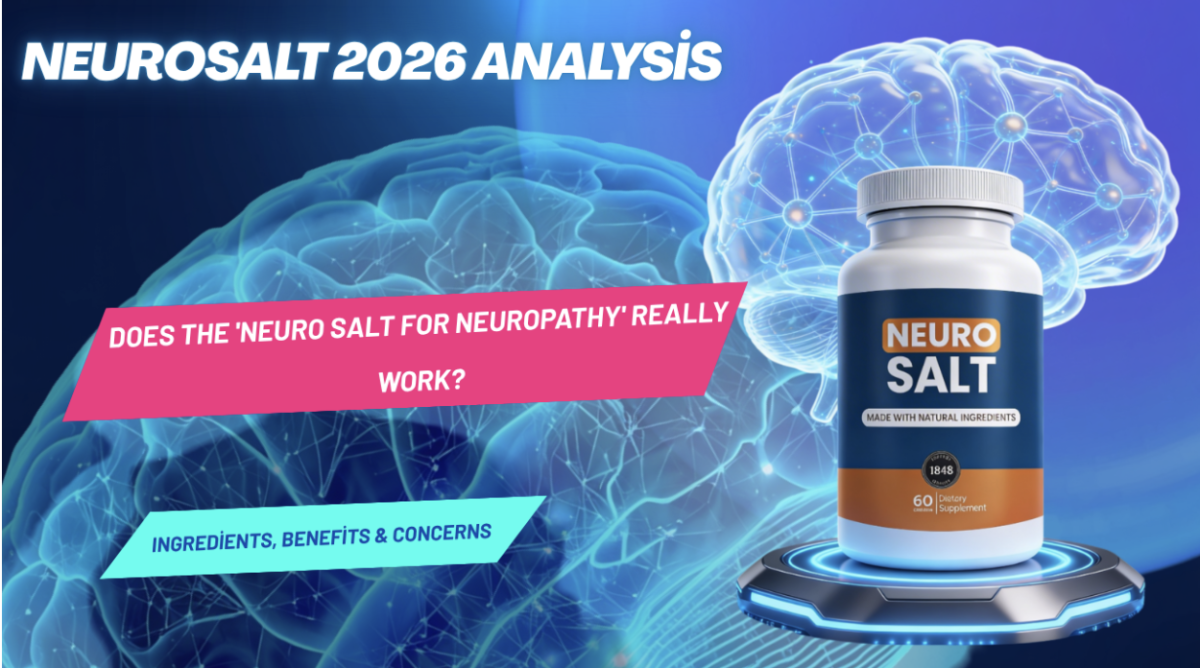
NeuroSalt faces significant regulatory hurdles as its 2026 market entry lacks clinical validation. Investors should watch for upcoming health agency reviews.
The emergence of NeuroSalt as a 2026 market entrant for neuropathy treatment has triggered a wave of scrutiny regarding its efficacy and ingredient profile. While the product is marketed as a specialized solution for nerve-related discomfort, the lack of clinical validation remains a primary concern for potential consumers and industry observers. The product relies on a proprietary blend of minerals and supplements, yet the specific concentrations of these active ingredients have not been disclosed in public filings or health authority documentation.
The core of the current debate centers on the biological plausibility of the ingredients listed in the NeuroSalt formulation. Neuropathy is a complex condition often resulting from underlying systemic issues such as diabetes or vitamin deficiencies. The marketing claims surrounding this product suggest a direct therapeutic benefit that remains unsupported by peer-reviewed studies. Without transparent labeling of dosage levels, it is difficult to distinguish the product from standard dietary supplements that lack specific medical indications.
Regulatory bodies have historically maintained a strict stance on products claiming to treat neurological conditions without prior approval. The absence of a clear pathway to medical certification suggests that NeuroSalt will likely remain categorized as a supplement rather than a pharmaceutical intervention. This distinction is critical for investors and consumers alike, as it limits the potential for insurance reimbursement and institutional adoption.
Beyond the scientific questions, the commercial strategy for NeuroSalt relies heavily on direct-to-consumer digital marketing. This approach bypasses traditional clinical distribution channels, which often serves to accelerate market penetration but increases the risk of regulatory enforcement actions. The company behind the product has yet to demonstrate a sustainable supply chain or a long-term commitment to quality control standards required for health-related consumables.
For those monitoring the broader health and wellness sector, the trajectory of this product serves as a case study in the risks associated with unverified medical claims. The next concrete marker for this narrative will be the release of any third-party testing results or a formal response from health regulatory agencies regarding the safety profile of the ingredients. Until such data is provided, the product remains a speculative entry in a crowded market for neuropathy management. Investors should maintain caution as the regulatory environment for such supplements continues to tighten globally.
AI-drafted from named sources and checked against AlphaScala publishing rules before release. Direct quotes must match source text, low-information tables are removed, and thinner or higher-risk stories can be held for manual review.