Truce Terms and Strategic Positioning
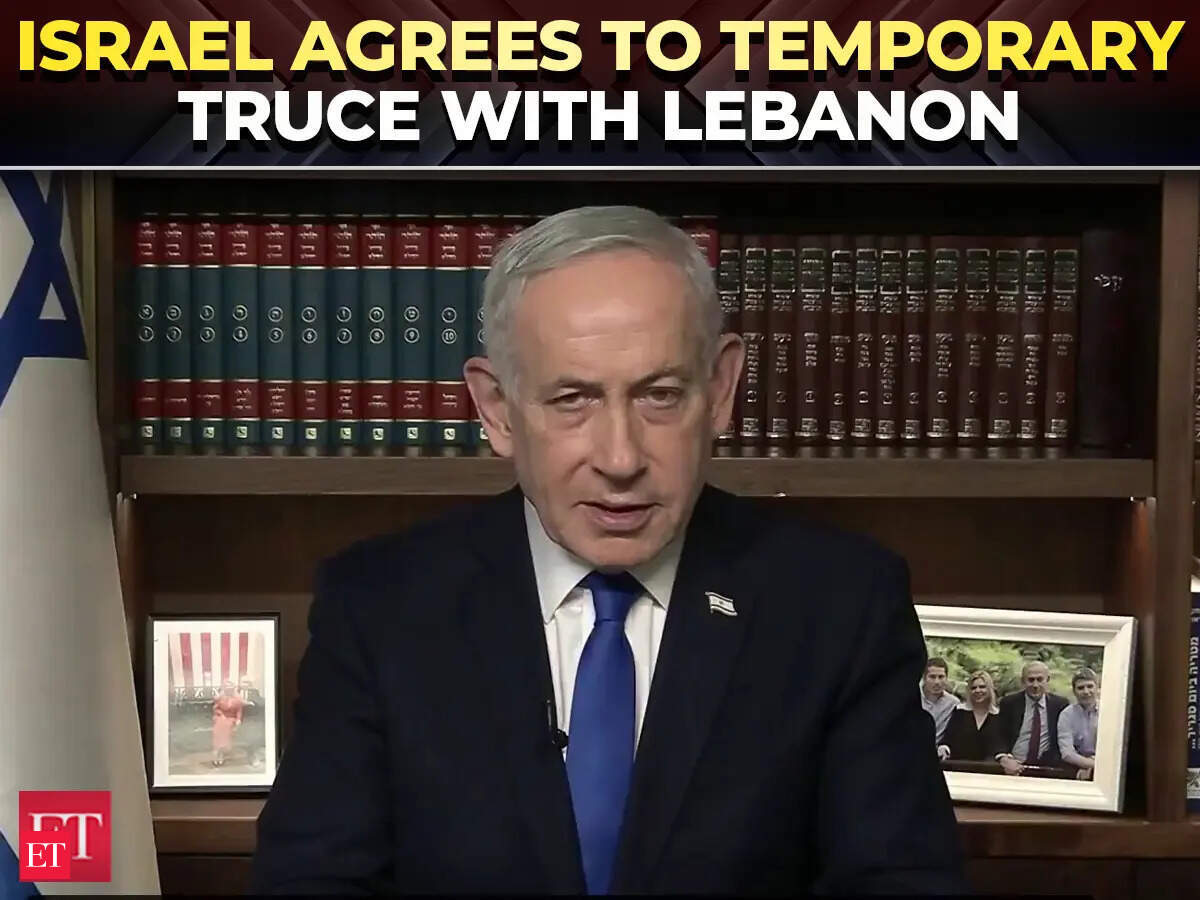
Israeli Prime Minister Benjamin Netanyahu announced a 10-day temporary ceasefire in Lebanon on Thursday, April 16. The pause in hostilities is intended to create a window for negotiations surrounding a peace initiative led by U.S. President Donald Trump. Despite the pause, Israeli military units will maintain their positions in southern Lebanon, signaling that the operational status of the conflict remains fluid even as diplomatic channels open.
Netanyahu’s stated conditions for a long-term resolution are focused on the total dismantling of Hezbollah militants. The Prime Minister also highlighted ongoing coordination with the U.S. administration, noting that President Trump has committed to maintaining the blockade of the Strait of Hormuz and pursuing the systematic removal of Iran's nuclear capabilities. These broader regional objectives suggest that while the Lebanon front may see a brief tactical pause, the underlying geopolitical friction remains elevated.
Market Implications for Energy and Risk Assets
Traders should monitor how this truce affects volatility in the commodities sector, specifically regarding the Strait of Hormuz. As a critical chokepoint for global oil transit, any escalation or continued blockade directly impacts supply-chain risk premiums. The acknowledgment of a sustained U.S.-led blockade indicates that supply-side constraints remain a primary variable for crude oil profile valuations.
- Energy Volatility: A 10-day pause may temporarily soften the risk premium, but the commitment to maintain the blockade suggests oil prices will remain sensitive to any rhetoric regarding Iranian exports.
- Safe-Haven Demand: The persistence of Israeli forces in southern Lebanon, combined with the stated goal of dismantling Hezbollah, ensures that hedging activity in gold profile will likely stay elevated despite the ceasefire.
- Regional Equities: Investors should watch for shifts in sentiment across regional indices, which have been sensitive to the potential for supply-chain disruptions in the Middle East.
What to Watch
Market participants are currently pricing in a high level of geopolitical uncertainty. The immediate focus should be on the 10-day window. If negotiations fail to produce tangible progress toward dismantling Hezbollah—or if the blockade of the Strait of Hormuz creates a sudden supply crunch—expect a rapid re-pricing in energy futures. Traders should also track the response of regional currencies and government bond yields, which often serve as leading indicators for the market's assessment of regional stability.
Diplomatic progress is rarely linear in this region, and the presence of troops on the ground serves as a reminder that the conflict is suspended rather than resolved.