NEET-UG 2026 leak: CBI says paper setting done at NTA's Okhla office
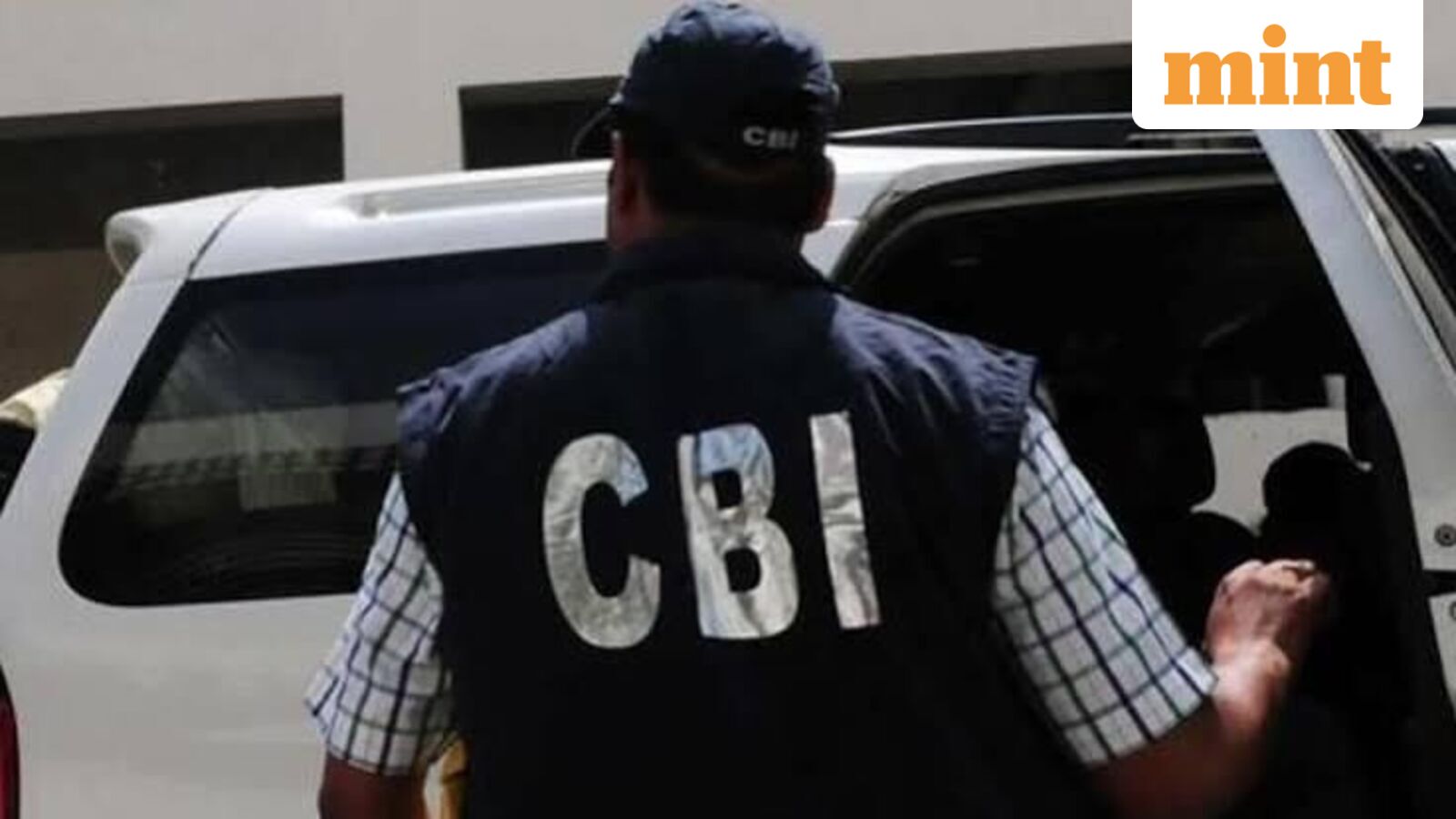
CBI charge sheet uses data from a Pune society's access-control app to link three NTA experts to the NEET-UG 2026 leak. Question material matched exam sets up to 85 percent.
The CBI charge sheet in the NEET-UG 2026 paper leak case leans heavily on data from a residential society's access-control app to link three NTA subject experts to the alleged leak, officials said.
The agency filed its July 28 charge sheet against 13 accused before a special CBI court. Digital forensic evidence includes records from an app used by the Pune society where accused chemistry expert PV Kulkarni lived, according to officials. The app logs entry and exit of visitors. The CBI used it to establish that students and their parents were at the society in April, before the May 3 exam. Call data records and mobile phone location analysis backed that presence, officials said.
The charge sheet places Kulkarni, zoology and botany expert Manisha Gurunath Mandhare, and physics expert Manisha Sanjay Havaldar at the center of the operation. They allegedly exploited procedural gaps inside the NTA's Okhla office – where paper setting, translation, and back translation occurred – to leak exam questions for money, the agency said.
The CBI traced the experts through beautician Manisha Sanjay Waghmare, who allegedly passed leaked papers to aspirants in Rajasthan and Haryana via intermediaries. According to the charge sheet, Waghmare arranged for students to attend coaching classes Kulkarni and Mandhare ran in April. She later collected the students' notebooks, which contained questions the two experts had dictated, with sections marked "important" and "very important."
Havaldar, at Mandhare's direction, provided 16 pages of physics questions – 68 total – to an aspirant's mother, officials said.
The CBI sent recovered question material to a Delhi University expert committee for analysis. The panel found a significant portion matched four NEET-UG 2026 paper sets – Kailash, Shivalik, Set 2, and Set 3 – to varying degrees. The sets the experts had access to showed the highest match rates, up to 85 percent. Sets they did not have access to recorded the lowest similarity, per PTI.
Officials said Kulkarni, Mandhare, and Havaldar reconstructed the question material after returning to their hotel rooms. Kulkarni used rough sheets to carry small chits with brief questions and optional answers out of the secured facility. He memorized simpler questions and rebuilt them at the hotel after each day's work. The agency alleged Kulkarni handled back translation for three paper sets, and recovered leaked material showed the highest chemistry-related match with those sets.
Havaldar and Waghmare relied largely on memory, writing down questions in their subject books after returning to the hotel, according to the agency.
The accused worked on different dates between March and April, leaving time to return to Pune before the exam and continue coaching – which NTA rules prohibit, officials said.
The CBI also named coaching center owner Shivraj Raghunath Mutgaonkar as an accused. Officials said Mutgaonkar received question papers from Kulkarni through an intermediary and shared them with students for money.
Garvit Bhirani is a journalist based in Gurugram. He is a Deputy Chief Content Producer at LiveMint.
Drafted by a large language model from the source reporting linked above, then screened by automated publishing checks. It is not read by a journalist before publication. Some articles cite our Alpha Score. Verify prices and figures against the original source. Educational coverage, not personalized advice.