Stocks● Neutral
NDIS Bill's Funding Cap Hits Disability Supports, Not Fraud
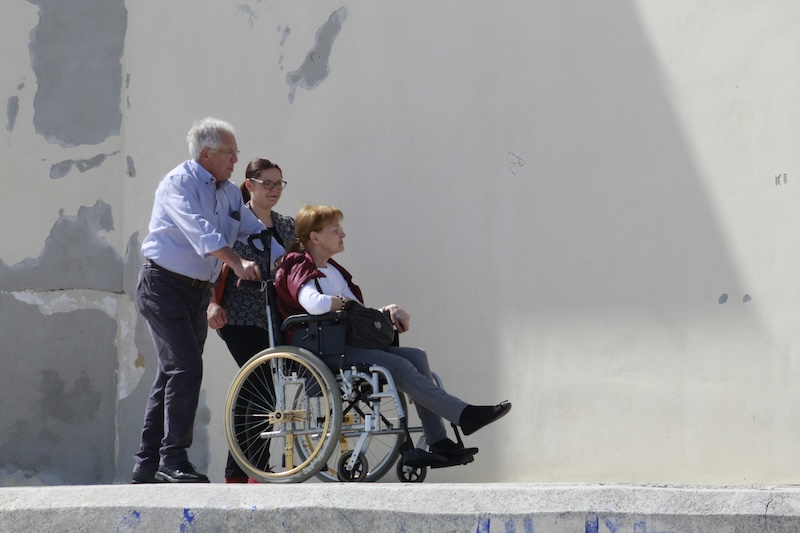
Section 34A lets a minister cut disability support up to 99.9% without appeal. Cuts start October 2026. Safety net consultation begins July 2026.
Continue with
The NDIS Amendment Bill that passed its first reading gives one minister the power to cut any category of disability support by up to 99.9% without parliamentary scrutiny. The first cut is a 50% reduction to Social and Community Participation funding from October 1, 2026. That category covers the support workers who help a person with severe disability leave their home, attend medical appointments, and build daily living skills.
The government says the bill is about fraud, sustainability, and securing the scheme for future generations. Human rights lawyers who read all 113 pages tell a different story. Mitchell Skipsey, senior solicitor at the Justice and Equity Centre, told the Senate inquiry the bill is a legislative shortcut. "Instead of fixing the implementation problems, this bill says we are just going to change the game altogether. We didn't do our homework, so we're going to pass a law saying we no longer need to do our homework."
The mechanism that enables the cuts is Section 34A. It removes the current obligation in Section 31 to build a plan around an individual's circumstances, goals and support needs. The new power lets a minister set funding caps for groups of participants. The cap can go as low as 99.9% of existing funding. That is nearly a total elimination of a support category, done with no individual right of appeal.
Minister Mark Butler told the National Press Club on April 22 that the social participation cut would be 30%. The Department of Health website says 50%. The bill permits 99.9%.
Section 50A adds another layer. It introduces automatically generated successor plans with hard end dates. The NDIA can reset plan end-dates across the entire participant base at once. The combination means cuts can switch on overnight, at scale, without notice or individual review.
The government announced a $200 million Inclusive Communities Fund to offset the cuts. What it did not announce is that the fund remains in contingency reserve. Consultation on how it will work does not begin until July 2026, after the cuts have already started. The new eligibility framework that determines who qualifies under the new rules does not start until January 2028. The supports meant to catch people who lose NDIS access are not designed, funded, or operational anywhere.