Stocks● Neutral
Navy's AI-First Fleet Strategy Targets Data Speed Advantage
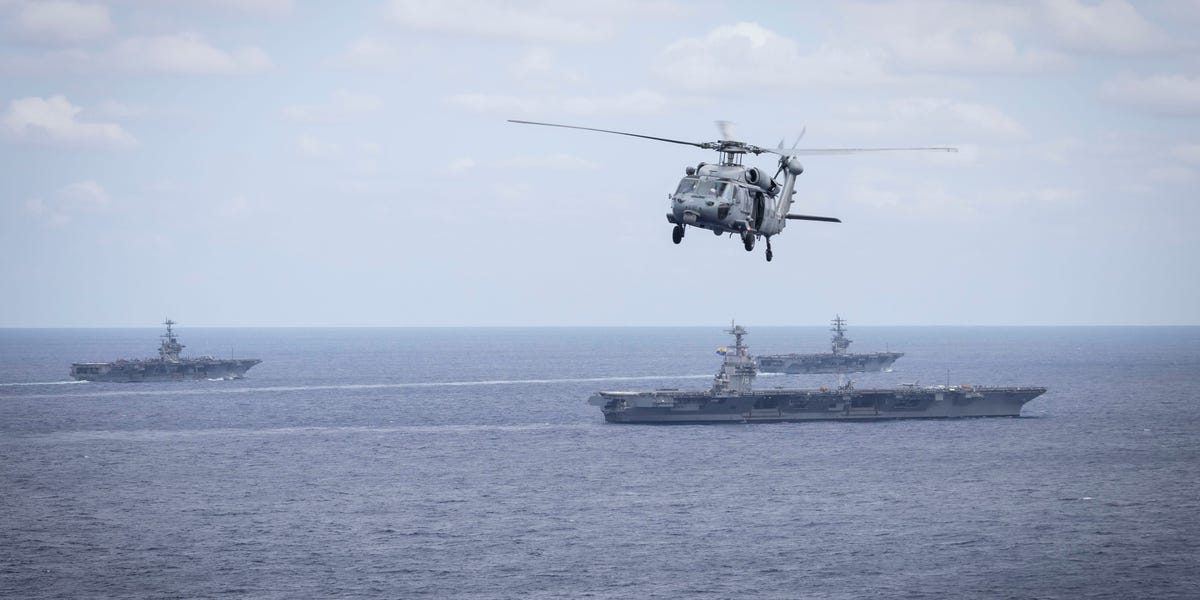
The Navy's new AI strategy aims to cut decision time from hours to minutes. Acting Secretary Cao calls it a roadmap to an 'AI-first' fleet. The Pentagon's AI program now has 1.5 million daily users.
Continue with
The US Navy released a strategy this week to build an "AI-first" fleet, betting that better data handling and more tech-savvy sailors will decide future naval fights. The plan, more than a year in the making, focuses on six areas: accelerating AI projects, streamlining data collection, upgrading hardware, reorganizing decision-making, deepening partnerships, and retraining the workforce.
"This strategy positions the Department of the Navy to out-learn and out-fight any adversary by rapidly deploying data and artificial intelligence," acting Navy Secretary Hung Cao said in a press release. "It is our roadmap to building an 'AI-first' Fleet, one that turns information into warfighting advantage and enables faster, better decisions."
The service wants to cut the time between data collection and battlefield action. One example cited in the strategy: an AI program that reduced a 160-hour submarine-planning job to 10 minutes. The Navy has also invested in automated factories for nuclear submarine parts.