Stocks● Neutral
Navy Sub Photo in Gibraltar Signals Escalation Readiness
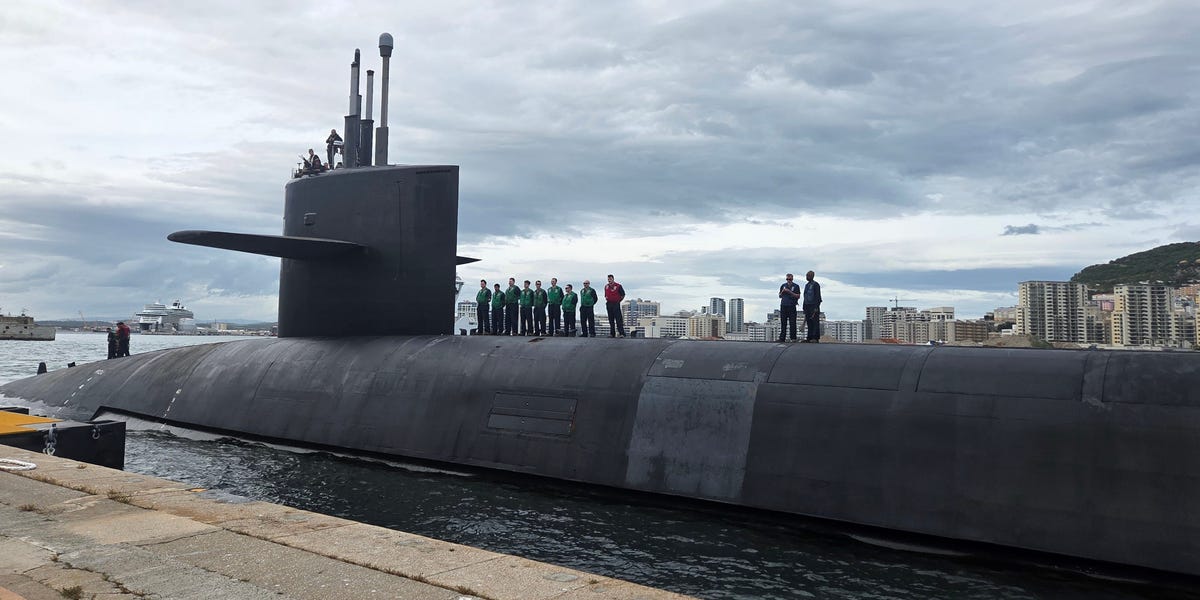
A rare disclosure of a ballistic-missile submarine’s location shifts the geopolitical risk premium for defense and energy assets. The next catalyst is follow-through strategic messaging.
Continue with
A U.S. Navy photo of a ballistic-missile submarine docked in Gibraltar broke a long-standing operational silence this week. The image, released amid elevated Iran tensions, is a deliberate signal. The Navy stated the port visit demonstrates U.S. commitment to NATO allies. For markets, the disclosure rewrites the near-term geopolitical risk premium embedded in defense and energy assets.
Gibraltar Sub Photo Breaks Nuclear Triad Silence
The U.S. military almost never discloses the location of its deployed ballistic-missile submarines, the sea-based leg of the nuclear triad. These vessels operate under a blanket of secrecy precisely because their deterrent value rests on adversaries not knowing where they are. A public port call in Gibraltar is therefore not a routine logistics stop. It is a message.
The photo surfaces as Iran’s nuclear program advances and as Tehran-backed Houthi forces continue to disrupt Red Sea shipping lanes. The timing connects the submarine’s presence directly to the Iran threat axis. The Navy’s own framing–linking the visit to NATO reassurance–adds a European security dimension that widens the potential asset impact beyond pure Middle East plays.
Why This Disclosure Matters Now: Iran Tensions and NATO Signaling
The simple market read treats this as a fleeting headline. The better read recognizes a shift in signaling posture that changes the probability distribution for several trades.
- Rarity: The last comparable public disclosure of a U.S. ballistic-missile submarine location occurred during a period of heightened North Korea tensions in 2017. The current event is similarly calibrated.
- Location: Gibraltar sits at the choke point between the Atlantic and the Mediterranean. A submarine there can range across the Eastern Mediterranean, the Red Sea, and the Persian Gulf without transiting the Suez Canal.
- Timing: The photo drops as Iran accelerates uranium enrichment and as the U.S. and allies debate a response. The image is a physical demonstration of capability that no diplomatic cable can match.
- NATO link: By framing the visit as NATO reassurance, the Navy extends the signal beyond the Middle East. This pulls European defense equities and the euro-area risk premium into the trade.