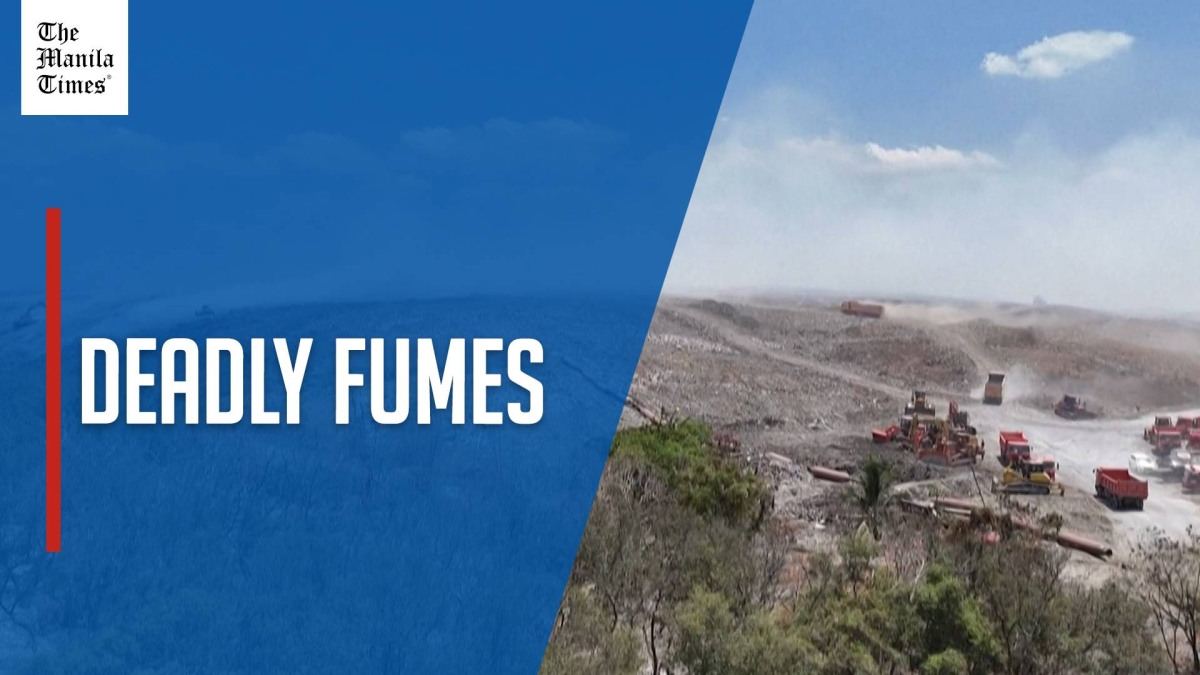
A persistent blaze at the Navotas landfill in Metro Manila has entered its third week, forcing local residents to endure prolonged exposure to thick, hazardous smoke. The ongoing environmental crisis has disrupted daily life in surrounding neighborhoods, where air quality levels remain a primary concern for public health officials and local authorities.
Operational Strains and Environmental Impact
The fire continues to challenge local waste management infrastructure. While emergency services have attempted to contain the smoldering debris, the nature of the landfill contents has made total suppression difficult. This incident highlights the operational vulnerabilities inherent in regional waste facilities, which often lack the advanced fire suppression systems required to manage deep-seated combustion in massive waste piles.
The smoke plume has forced a shift in local activity, with schools and businesses in the immediate vicinity reporting reduced attendance and productivity. The inability to fully extinguish the fire suggests that the site may face extended regulatory scrutiny once the immediate danger passes. Regional waste management protocols are likely to undergo a review as authorities assess how such a fire could persist for twenty-one days without a definitive resolution.
Infrastructure and Regulatory Read-Through
This event serves as a reminder of the systemic risks associated with aging waste infrastructure in densely populated urban centers. Similar to the recent operational challenges seen in other regional facilities, such as the Binaliw Landfill Resumes Operations Following Fatal Collapse, the Navotas situation underscores the difficulty of maintaining safety standards in high-volume disposal sites. Investors and municipal planners often overlook these facilities until a major disruption occurs, yet the costs associated with remediation and public health mitigation can be substantial.
The next concrete marker for this situation will be the release of an official environmental impact assessment from local health departments. This report is expected to detail the chemical composition of the smoke and provide a timeline for the final suppression of the fire. Until then, the site remains a focal point for regional waste management policy and potential infrastructure spending updates. For broader context on how industrial and municipal operational failures impact local economies, see our stock market analysis for related sector trends.