Navi Finserv's plan to enter LAP and merchant finance after raising $100M from Prosus tests its credit model as personal loans dominate 90% of its book.
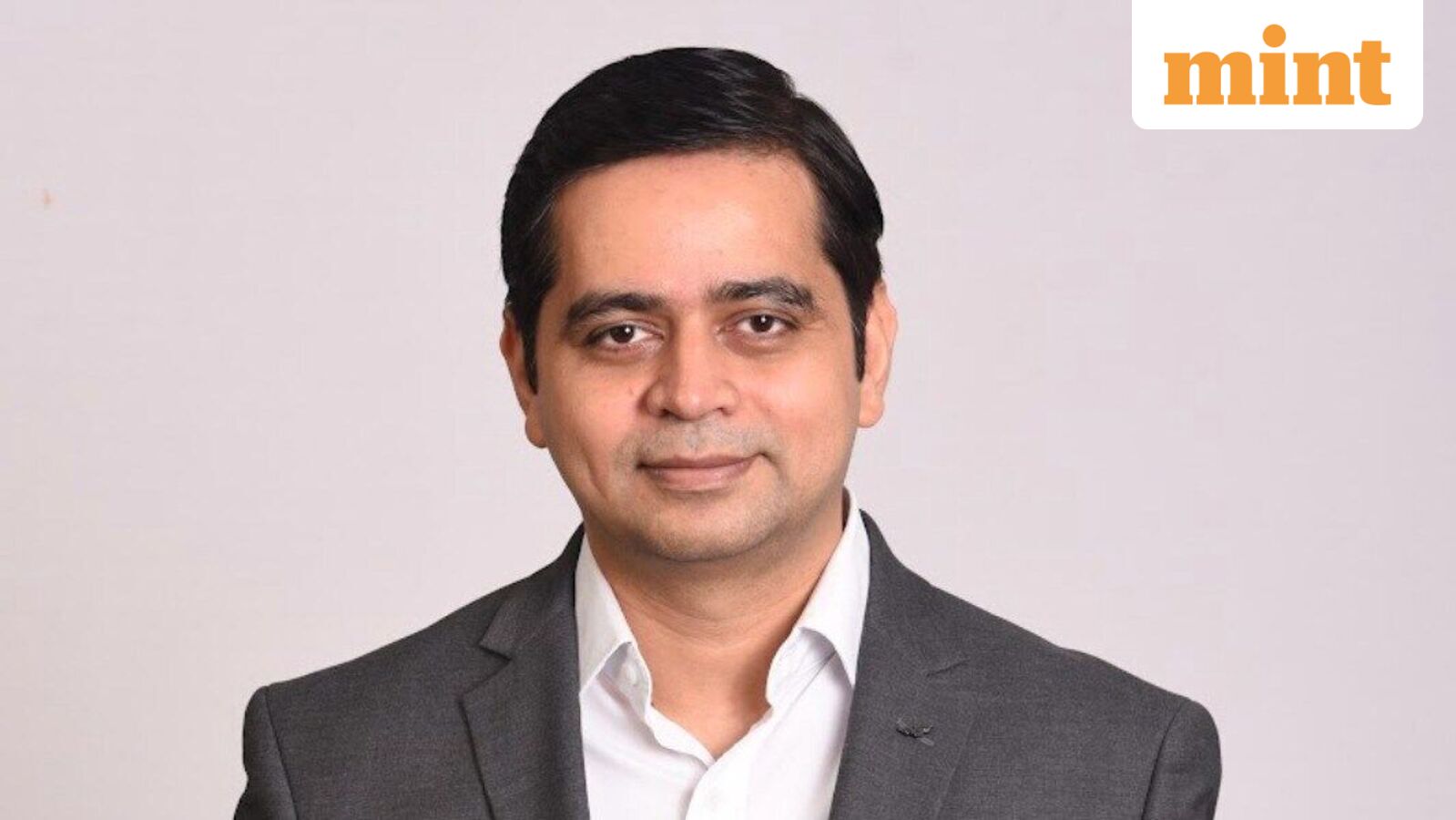
Navi Finserv is moving beyond the personal loans that make up 90% of its ₹13,000 crore book. The non-bank lender plans to build a loan against property business and later enter merchant financing, CEO Abhishek Dwivedi said. The expansion draws on customer traffic from parent Navi Ltd’s UPI platform, which now ranks fourth in India by transaction volume.
Personal loans have been the core product since lending began in 2020. The average ticket is about ₹1.4 lakh. The newly launched LAP segment carries a ₹30 lakh average. Merchant finance will have to wait until the parent gets a payment aggregator licence from the Reserve Bank of India.
“Merchant finance, we can do only when you have a PA licence,” Dwivedi said. Navi’s UPI business has scaled quickly since entering the market in August 2023, reaching the fourth spot by October 2024. It processed 84.25 billion transactions in June 2026, NPCI data show.
The loan book grew to ₹13,000 crore by March 2026, with disbursements of ₹23,287 crore in the financial year. Gross NPAs stood at 1.3%, net NPAs at 0.3%. About 75% of borrowers are repeat customers; less than 1% are new to credit.
Dwivedi said the platform sees around 100,000 new customers daily, but loan approval rates range from 5% to 50% depending on the product and segment. “While we are growing loans very fast, we are not approving a lot of people. I’m not very proud of that,” he said.
The company raised $100 million from Dutch investment group Prosus ahead of a planned IPO. It has appointed bankers and will file draft papers. Navi Finserv currently has around ₹4,000 crore of equity capital, after raising ₹500 crore in two tranches of preference shares. Future capital will come mostly from the parent, Dwivedi said.
He set a growth target of at least 30% but said there are no hard numbers. “I’d be disappointed if we grow less than 30%,” he said, adding that actual growth depends on macroeconomic conditions and the economic cycle.
The NBFC posted a standalone profit of ₹292 crore for FY26. Net interest margin was 13%, with an average yield on advances of 20% and a cost of borrowing of 10.5%. Return on assets was 2.2% overall, well below the 4-5% target for personal loans and the 3.5-4% target for the whole business.
Collections are a focus. About 50% are handled in-house, with physical touchpoints in more than 90 cities. Dwivedi wants to raise that to 75% to avoid relying on third-party agents who may prioritise other lenders. “If you have your own force, you can do much better,” he said.
The company paused home loans after finding margins too thin. That portfolio is around ₹1,500 crore. Dwivedi’s four-pronged strategy centres on customer, credit, compliance and collections. The customer piece relies on the Navi ecosystem; the credit side aims for personalised solutions.
What could go wrong. The push into LAP and merchant finance introduces new credit risks. Personal loans are unsecured and high-yield; LAP is secured but carries longer tenures and higher average ticket sizes. Merchant financing would require the PA licence and a separate underwriting model. A delay in the licence could slow growth. A rise in NPAs in new segments would pressure margins and the IPO valuation.
What could go right. The UPI funnel provides a steady stream of borrowers with transaction history, which may improve credit assessment. The repeat customer base and low new-to-credit share suggest conservative underwriting. The in-house collection network gives more control over recoveries. The $100 million infusion from Prosus and parent support provide capital flexibility.
The company’s IPO will test how investors weigh the growth story against the risks of diversification. Dwivedi said the aim is to use capital “cautiously and responsibly.” The next catalyst is the PA licence decision and the first quarter update on LAP disbursements.
Drafted by a large language model from the source reporting linked above, then screened by automated publishing checks. It is not read by a journalist before publication. Some articles cite our Alpha Score. Verify prices and figures against the original source. Educational coverage, not personalized advice.