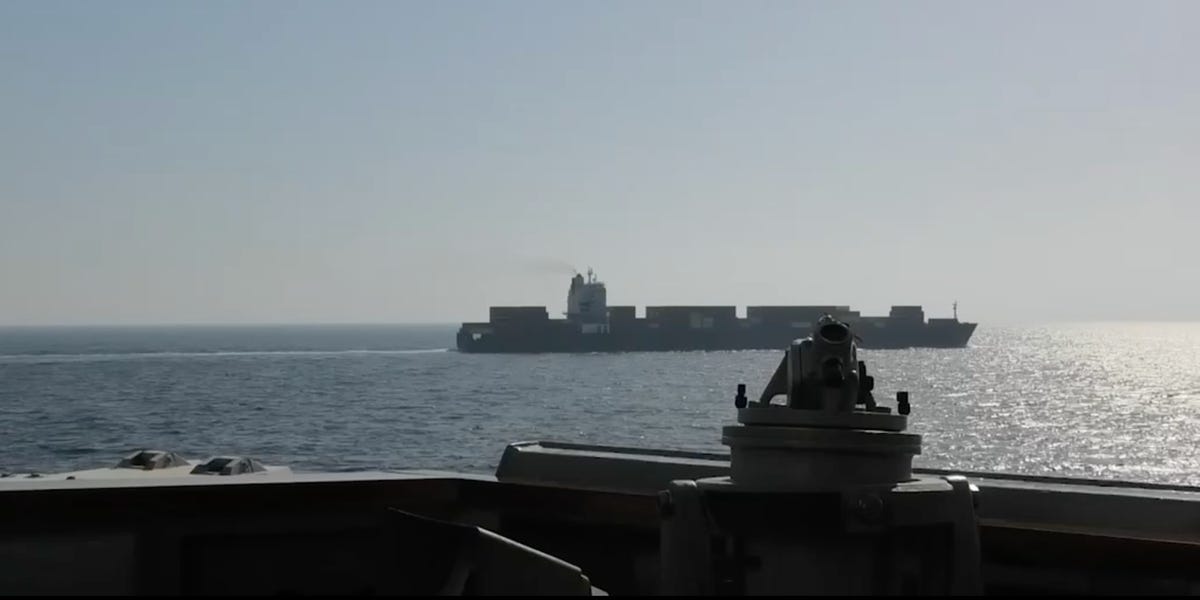
The recent engagement involving the USS Spruance and an Iranian-flagged cargo vessel in the Strait of Hormuz marks a departure from standard maritime interdiction protocols. By opting to disable the vessel's propulsion system with direct fire from a deck gun, the Navy has demonstrated a willingness to escalate kinetic measures to enforce blockade compliance. This action moves beyond traditional signaling or boarding maneuvers, establishing a new precedent for how the U.S. Navy addresses non-compliant vessels in contested chokepoints.
Escalation of Maritime Enforcement
The decision to target the engine room directly suggests a shift in the risk calculus for naval commanders operating in the region. Rather than relying on prolonged standoff maneuvers or warning shots, the use of force to neutralize a vessel's mobility indicates that the Navy is prioritizing immediate operational control over de-escalation. This tactical choice effectively forces a stop to the vessel's movement, removing the ability of the crew to maneuver or reach safe harbor in nearby territorial waters.
This development carries significant weight for regional shipping logistics. The Strait of Hormuz remains a critical artery for global energy supplies, and the introduction of more aggressive enforcement tactics increases the probability of temporary transit disruptions. Commercial operators are now forced to factor in a higher threshold of naval intervention, which could lead to increased insurance premiums or altered routing for vessels suspected of violating sanctions or blockade protocols.
Sector Read-Through and Strategic Impact
The broader implications for the defense and energy sectors are tied to the sustainability of these enforcement operations. Increased naval activity in the Strait requires a sustained presence of destroyer-class assets, which places additional strain on fleet readiness and maintenance cycles. For companies involved in defense contracting, this environment reinforces the need for high-end kinetic capabilities and advanced sensor suites capable of identifying and tracking targets in high-traffic maritime lanes.
AlphaScala data currently reflects a diverse range of sentiment across industrial and technology sectors, including ON Semiconductor Corporation with an Alpha Score of 45/100, which highlights the ongoing volatility in supply chains that rely on secure global transit routes. While the immediate focus remains on the Strait of Hormuz, the ripple effects of this engagement will likely be felt in how global shipping firms assess the reliability of maritime security guarantees.
As the situation develops, the next concrete marker will be the official report on the vessel's cargo and the subsequent diplomatic response from the involved parties. Market participants should monitor for any follow-up statements from the Department of Defense regarding changes to rules of engagement or adjustments to the naval posture in the region. These updates will provide clarity on whether this event represents a singular tactical decision or a broader shift in the stock market analysis regarding geopolitical risk premiums in the energy sector.