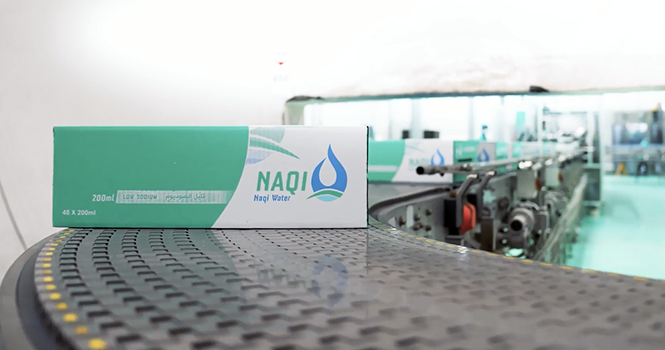
Naqi Water Co. received board approval to open two new branches in Ad Dawadimi and Al Ghat governorates, the company disclosed in a filing to Tada. The decision adds to a branch network that forms the backbone of the water distributor's logistics and customer reach in Saudi Arabia.
Naqi Water's Branch Expansion Strategy
The new locations target governorates in central Saudi Arabia where distribution density may be lower than in major cities. Ad Dawadimi and Al Ghat serve as regional hubs for surrounding towns and agricultural areas. By placing branches there, Naqi Water can shorten delivery routes, reduce logistics costs, and improve service frequency for existing contracts while opening capacity to add new retail and wholesale customers.
Branch expansion also supports the company's ability to negotiate bulk supply agreements with municipalities and private developments. Each new branch typically includes storage tanks, filling lines, and fleet parking – a capital-light expansion relative to building a new production plant. The board's approval signals management's confidence in the return on these incremental distribution assets.
Why Distribution Reach Matters for Naqi Water
The Saudi water sector is undergoing a structural shift. Urbanization under Vision 2030, growth in industrial parks, and a rising preference for bottled and delivered water over tap consumption are driving demand for private water distributors. Naqi Water competes with other licensed players in a market where route density and customer retention are the main levers of profitability.
A broader branch network protects margins in two ways. First, it reduces last-mile delivery cost per liter. Second, it allows the company to serve smaller accounts that larger competitors might skip. The Ad Dawadimi and Al Ghat branches are each positioned to capture demand from clusters of small-to-medium enterprises and residential compounds that lack direct access to major water infrastructure.
Investors should watch whether the two branches are self-financed or funded through debt. The Tada filing did not disclose capital expenditure estimates. If Naqi Water can open both branches within the guided budget, the expansion will test the replicability of its unit economics in secondary cities.
The Decision Point: Execution and Margins
The real catalyst comes from the operational follow-through. Naqi Water must secure permits, lease or construct facilities, hire local drivers and sales staff, and build route schedules. Any delay in any of these steps will push the revenue contribution into later quarters. The company also faces regulatory oversight from the Ministry of Environment, Water and Agriculture, which sets licensing conditions for water transport.
A second decision point is pricing. New branches may initially operate at lower gross margins as the company offers promotional rates to anchor customers. If Naqi Water can raise utilization above 70% within the first twelve months, the branches should reach breakeven quickly. Miss that utilization target and the expansion becomes a drag on earnings.
For traders tracking Saudi small-cap stocks, Naqi Water's branch approvals are a tangible sign of management's growth playbook. The stock's reaction will depend on whether the subsequent quarterly filings show revenue growth outpacing branch cost growth. A miss on the latter would undermine the expansion narrative.
Read more: stock market analysis
The next concrete milestone is the opening date for each branch and the company's interim financial guidance. Without a capital expenditure cap or timeline from the board, the market will treat this as a positive but low-intensity signal until tangible results emerge.