Nanomaterial Cover Blocks 80% of Heat, Cuts Water Evaporation in Lab
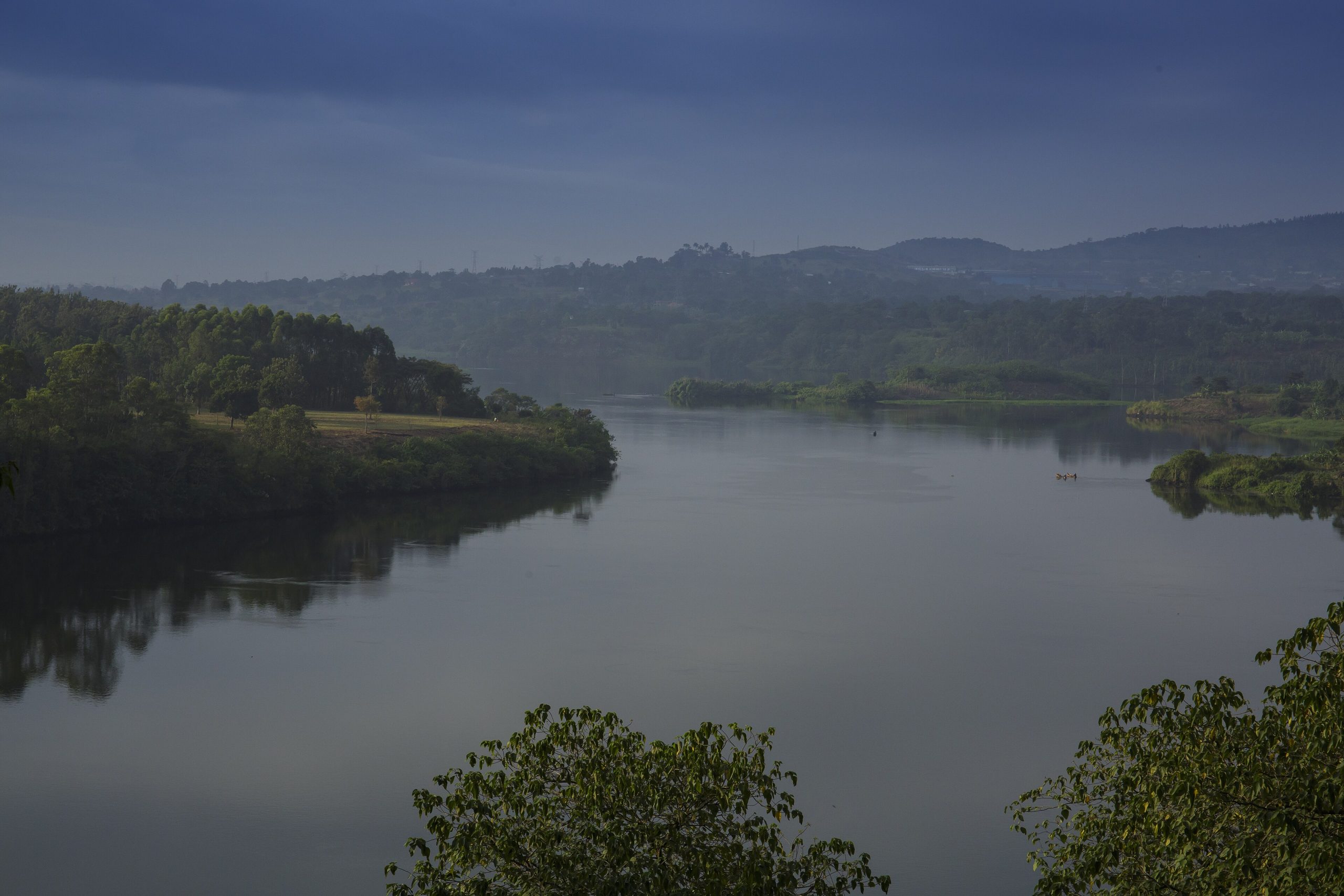
A 10°C cooler water surface and 80% infrared reflection: nanomaterial floating cover could slash reservoir evaporation without killing aquatic life.
Alpha Score of 42 reflects weak overall profile with weak momentum, poor value, weak quality, moderate sentiment.
A thin floating nanomaterial cover can cut water evaporation from reservoirs by reflecting more than 80% of infrared heat while transmitting over 60% of visible light, according to laboratory research by physicist Daniel Kwasi Kpeglo of the University of South Africa.
Water stored in dams and lakes across hot regions like southern Africa is lost to evaporation at rising rates as temperatures climb. Kpeglo's design uses a transparent conducting oxide coating just a few hundred nanometres thick on a lightweight, flexible plastic sheet. The material floats on the water surface, acting as a selective filter: it lets sunlight through for aquatic plants and animals but blocks the infrared radiation that heats the water.
In lab tests with an artificial light source mimicking sunlight, the water under the coated cover stayed about 10°C cooler during the brightest part of the day than the cover's own surface. "The water level remained essentially unchanged under the coated cover during the test period, meaning very little was evaporating," Kpeglo said. By contrast, uncovered reservoirs and those covered with ordinary plastic sheet showed measurable water loss.
Existing evaporation solutions, shade cloths, wind barriers, floating covers, or chemical sunscreens, tend to block all sunlight. Kpeglo's approach preserves the visible spectrum needed for aquatic life. The coated surface is also water-repellent, which reduced algae growth in tests, potentially lowering maintenance over time.
A key concern with any nanomaterial is contamination of the water. Kpeglo said the design does not place the nanomaterial directly in the water; it is fixed onto the plastic sheet and does not touch the water itself.
The next step is large-scale field trials. "A field test would help answer questions that laboratory experiments cannot," Kpeglo said. "How does the material perform in real sunlight, wind, rain and changing temperatures? How long will the cover last? How will it behave on moving water? What would it cost to make and install over a large reservoir?"
Before real-world deployment, the cover needs a durable, ultraviolet-resistant base material such as polycarbonate, since prolonged UV exposure degrades standard plastics. The cover would also require a floating anchoring system to keep it in place against wind and water movement.
Kpeglo's research was published in The Conversation. No field trials have been scheduled yet.
Drafted by a large language model from the source reporting linked above, then screened by automated publishing checks. It is not read by a journalist before publication. Some articles cite our Alpha Score. Verify prices and figures against the original source. Educational coverage, not personalized advice.