Stocks● Neutral
Mutual Aid Healthcare: A Market Solution for the Developing World
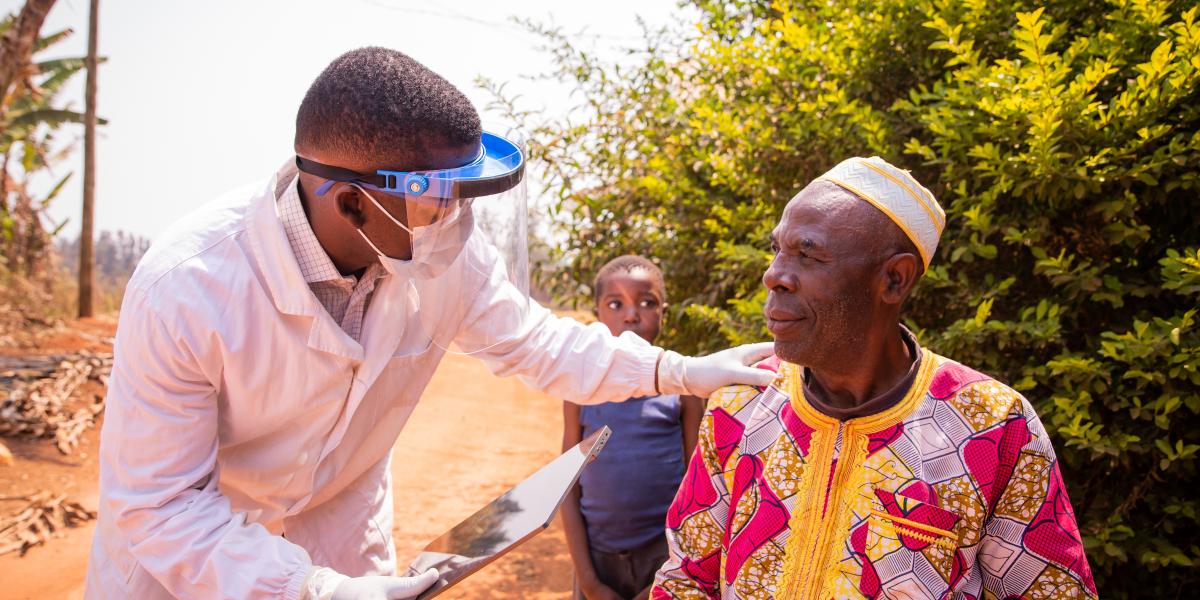
Rwanda's Mutuelle de Santé covers 91% of the population. Zimbabweans spend 68% of life insurance premiums on funeral coverage. Mutual aid healthcare is proving it can work where states and commercial insurers cannot.
Continue with
In Zimbabwe, 68% of all life insurance revenue flows into funeral policies, according to the Insurance Commission of Zimbabwe. Members pay as little as $1 a month for funeral coverage, food assistance and grief counseling. The numbers tell a story: death is more affordable than care.
That calculus is shifting in parts of the developing world. Community-based health mutuals, built on the same voluntary pooling model as burial societies, are expanding coverage for surgery, chronic care and even kidney transplants. The question is whether they can scale without the state getting in the way.
Rwanda's Mutuelle de Santé now covers 91% of the population, the government says. The scheme integrates community-based health insurance into the national system without destroying its local character. Catastrophic health spending as a share of household income has fallen since 2010, according to WHO data cited by the Rwandan Ministry of Health. Members pay annual premiums that vary by income tier, with the poorest subsidized by the state.
Senegal's Benkan Health Mutual covers families across 12 districts for as little as 3,500 CFA francs a year, or about $6. Members access local clinics with zero out-of-pocket costs at the point of service, the mutual's administrators said. A study published in the International Journal for Equity in Health found that Benkan members had lower out-of-pocket expenses than non-members and were more likely to seek care for chronic conditions.
In India, cardiac surgeon Devi Shetty designed the Yeshasvini Co-operative Farmers Health Care Scheme in 2003. Rural cooperative members in Karnataka state pay roughly $2 a year in subscription fees and get access to cashless surgical and outpatient care through a network of private and state hospitals. The model uses economies of scale to bring advanced surgeries to farmers at pennies on the dollar, Shetty said in a 2018 interview.
These schemes operate where the state cannot go: villages, churches, marketplaces and community halls. They build on existing social networks – burial societies, women's groups, cooperatives. They don't need to build trust from scratch because they already have it.
Critics argue that mutual societies exclude the chronically ill or charge them higher rates. That is true. But the fraternal system was honest about it: members knew the rules upfront. The modern system – whether state-run or commercial – excludes the same patients through prior authorization, formulary exclusions and step therapy, but does so opaquely, at the point of care.