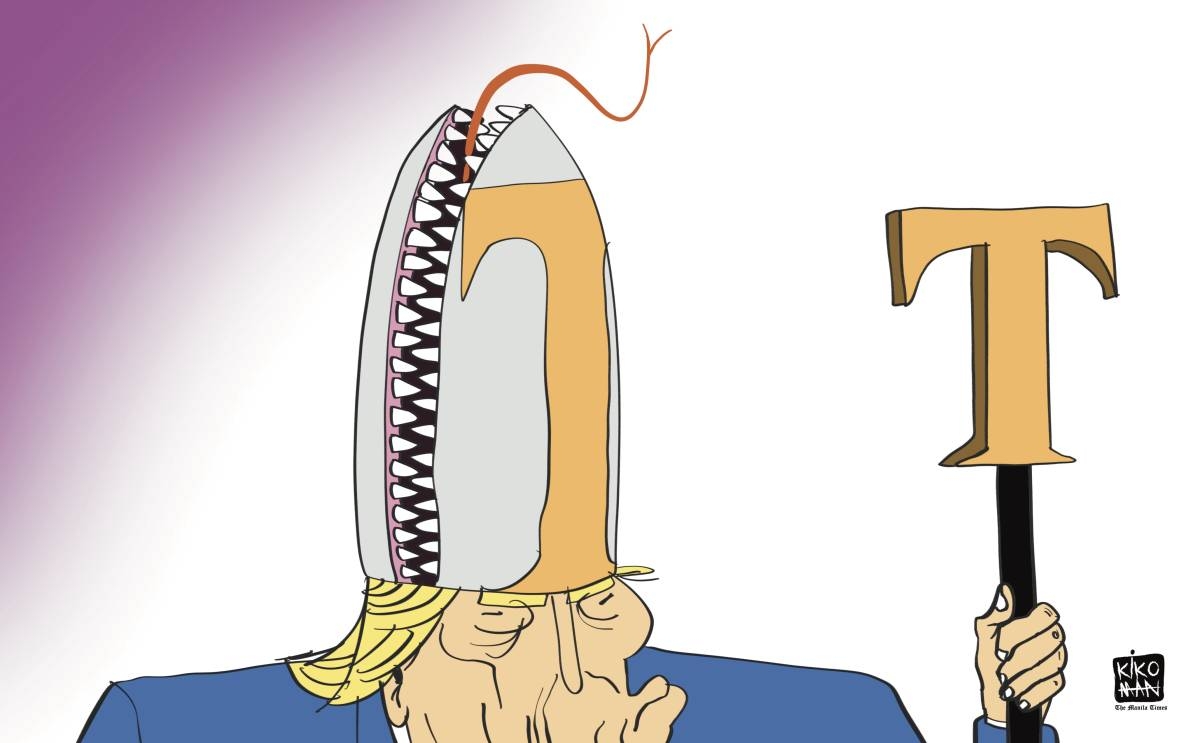
Elon Musk has ascended to a position of unprecedented political influence, effectively acting as an advisor to the incoming administration. His involvement in the transition process and his ability to shape policy outcomes have sparked intense debate among institutional investors regarding the future of his corporate empire.
The Tesla-Policy Nexus
Investors are pricing in a high-conviction bet that Musk’s proximity to power will yield tangible benefits for Tesla (TSLA). The core of this thesis rests on potential changes to autonomous driving regulations and federal subsidies. While Tesla has historically maintained a complex relationship with the Department of Transportation, a shift toward a more permissive regulatory framework could accelerate the rollout of Full Self-Driving technology.
Traders should note that the market is already rewarding this perceived political proximity. The stock has seen a sharp re-rating since the election, reflecting a belief that the company’s regulatory hurdles will vanish under a new, business-friendly consensus. However, this creates a binary outcome: any failure to deliver on these policy expectations could lead to a rapid reversal in sentiment.
Broadening the Portfolio Impact
Beyond the automotive sector, Musk’s influence extends into aerospace and defense via SpaceX, which remains private but carries significant weight for sector sentiment. His role also complicates the valuation of X, formerly Twitter, as the platform becomes increasingly intertwined with specific political narratives. For those tracking broader market analysis, the risk is that Musk’s political visibility may lead to increased volatility in his publicly traded assets.
"The influence here is not just about policy; it is about the speed at which bureaucratic friction can be removed. Investors are betting that the friction coefficient for Musk’s companies just dropped to near zero."
Strategic Considerations for Traders
- Regulatory Alpha: Monitor specific appointments within the Department of Transportation and the FCC. These will be the earliest indicators of whether the 'MAGA Pope' narrative translates into actual policy shifts.
- Sentiment Correlation: Observe the correlation between TSLA price action and major political announcements. If the correlation tightens further, the stock will become a de facto proxy for political sentiment rather than purely fundamental performance.
- Volatility Spikes: Expect higher implied volatility around public appearances or social media posts that touch on government policy. Options premiums are likely to remain elevated as the market attempts to price in 'event risk' on a daily basis.
Watching the Pivot Points
Market participants should watch for any signs of friction between Musk and the traditional Republican establishment. While the current narrative suggests alignment, the history of Washington shows that policy priorities eventually diverge from individual influence. Technical traders should keep a close eye on the recent breakout levels for TSLA; if the stock fails to hold these gains despite positive political headlines, it may signal that the 'Musk premium' is fully priced in and exhaustion is setting in.
Ultimately, the market is currently viewing Musk as a regulatory accelerant. Whether he can maintain this influence while managing the operational demands of his companies remains the central question for the next fiscal year.