Stocks● Neutral
Musk Warns AI Will Surpass Human Intelligence in Five Years
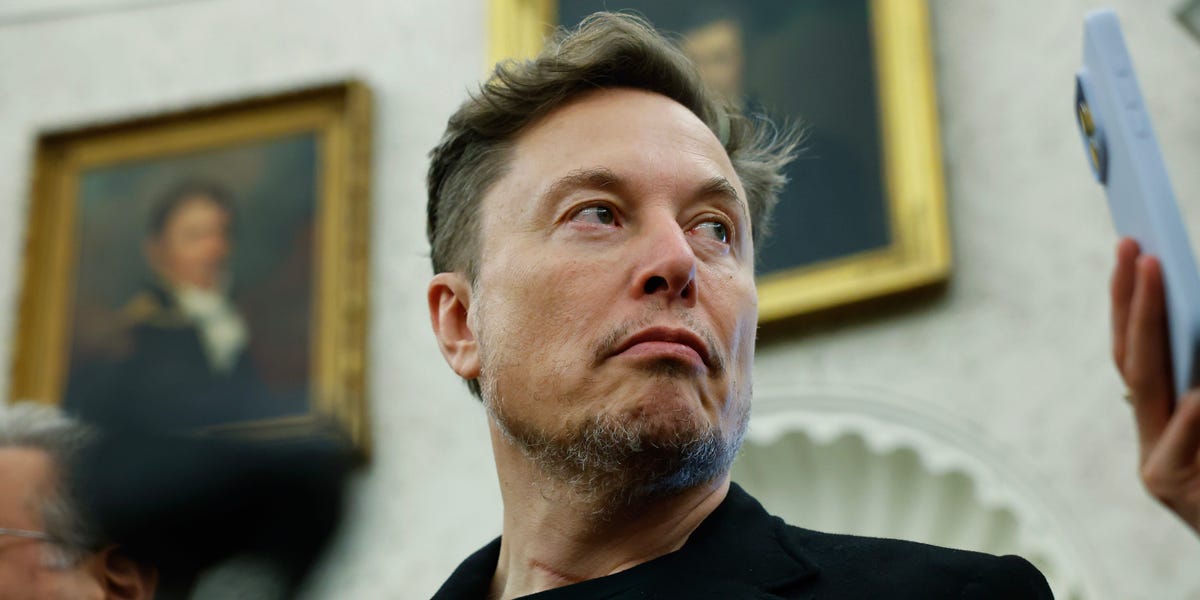
In a 90-minute interview with The Economist, Musk predicted AI would soon exceed human ability and defended his DOGE work. He also called for rival AI companies to review each other's models.
Continue with
Elon Musk told The Economist on Thursday that artificial intelligence may exceed humanity's collective intelligence in about five years. 'There really won't be anything that AI can't do better than humans, apart from being human, perhaps,' he said.
Musk described a future of 'amazing abundance.' He compared the coming intelligence gap to the one between humans and chimpanzees. 'It's hard to imagine that the chimpanzee would be in charge,' he said.
Musk has previously put the odds of AI wiping out humanity at 10% to 20%. He did not walk that back. He said he had reached a 'philosophical conclusion' to look on the bright side. The development of AI and robotics is now unstoppable, he argued. 'Let's enjoy the ride, is my philosophy at this point,' he said.
Musk proposed that leading AI companies hold safety calls every few weeks and review each other's new models. He argued competitors are better placed than governments to spot problems. Minton Beddoes said she keeps hearing a system needs to be in place within six months. Musk replied that 'six months is a long time' given the pace of breakthroughs.