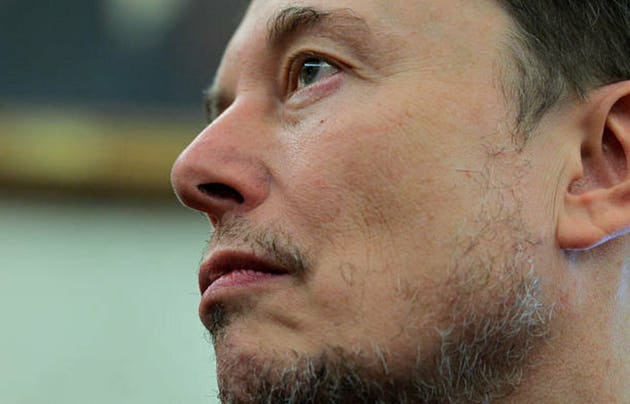
A California judge has dismissed the fraud allegations brought by Elon Musk against OpenAI, narrowing the scope of the ongoing legal battle between the Tesla CEO and the artificial intelligence research organization. While the court rejected the claim that Musk was intentionally misled regarding the company's founding mission, the litigation remains active. The case will now proceed to trial on April 27, focusing on claims related to breach of contract, breach of fiduciary duty, and unfair business practices.
Narrowing the Legal Scope
The dismissal of the fraud claims removes a significant hurdle for OpenAI, as these allegations required proof of intentional deception regarding the company's transition from a non-profit entity to a for-profit structure. By narrowing the focus to trust and enrichment, the court has shifted the trial toward a more traditional contractual dispute. The core of the remaining argument centers on whether the organization violated its original founding agreements and whether the subsequent shift in corporate governance unfairly benefited specific stakeholders at the expense of the initial mission.
This development reduces the immediate legal exposure for OpenAI regarding punitive damages associated with fraud. However, the upcoming trial remains a critical test of the enforceability of founding charters in the rapidly evolving AI sector. The discovery process leading up to the April date will likely force a public airing of internal communications and strategic decision-making processes that have previously remained private.
Sector Read-Through and Governance
The broader technology sector is monitoring this case as a proxy for the governance challenges inherent in high-stakes AI development. As companies like NVIDIA continue to provide the infrastructure for these models, the legal stability of the firms building the software becomes a factor in long-term capital allocation. The outcome of the trial could set a precedent for how non-profit-to-for-profit transitions are viewed under the lens of fiduciary duty.
Investors are also evaluating how these legal distractions impact the operational velocity of major AI players. While the dismissal of fraud claims provides a degree of relief, the ongoing trial ensures that the narrative surrounding OpenAI's structural integrity will persist through the spring. This creates a period of uncertainty for partners and stakeholders who rely on the stability of the organization's corporate framework.
AlphaScala Data and Market Context
Market participants often look to established tech leaders to gauge the health of the broader ecosystem. For instance, AT&T Inc. (T) currently holds an Alpha Score of 57/100, reflecting a moderate outlook within the Communication Services sector, while ON Semiconductor Corporation (ON) maintains a score of 45/100 and Bloom Energy Corp (BE) sits at 46/100. These scores highlight the varying degrees of sentiment across infrastructure-heavy industries that are increasingly intertwined with AI advancements.
The next concrete marker for this case is the commencement of the trial on April 27. Until that date, the focus will remain on pre-trial motions and the potential for settlement discussions that could resolve the remaining breach of contract claims before they reach a courtroom. Any further filings regarding the specific nature of the enrichment allegations will serve as the primary indicator of whether the trial will remain focused on narrow contractual issues or expand into broader questions of corporate control.