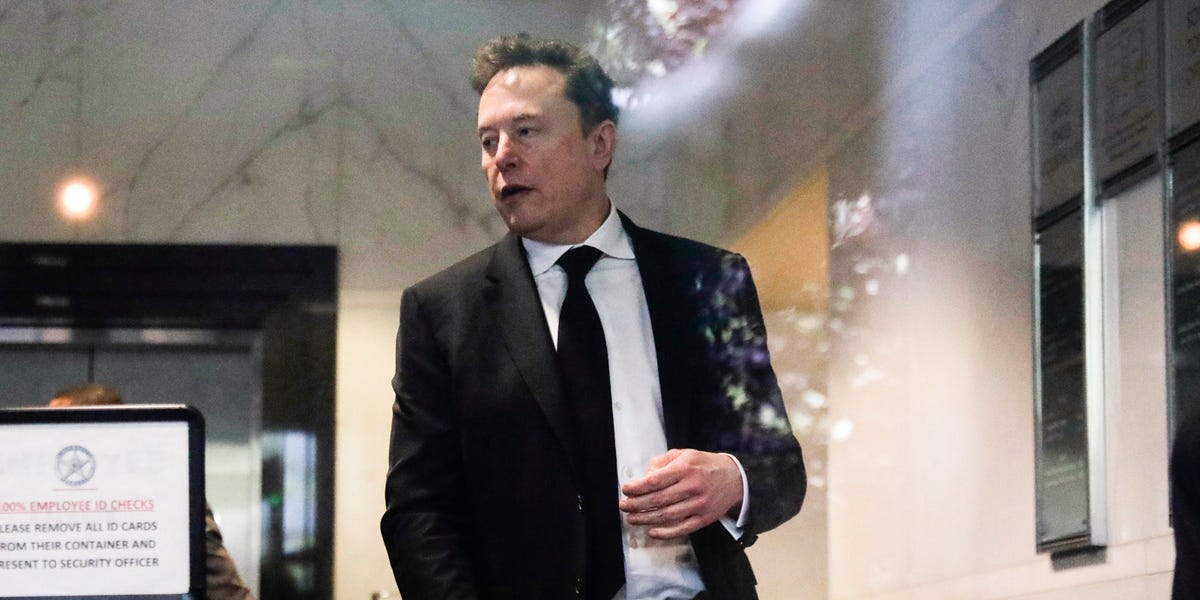
Elon Musk’s return to the witness stand in an Oakland federal court marks a pivot in the ongoing litigation against OpenAI. The testimony centers on allegations that CEO Sam Altman deceived Musk regarding the company’s commitment to safety and its transition from a non-profit structure to a commercial entity. By invoking past meetings with high-profile figures such as Barack Obama and Larry Page, Musk is attempting to frame the early development of OpenAI as a project rooted in specific ethical constraints that he claims were later abandoned.
The Shift Toward Governance and Intent
The core of the legal argument rests on whether OpenAI’s leadership misled early contributors about the organization’s long-term trajectory. Musk’s testimony suggests that his involvement was predicated on a non-profit mission designed to mitigate the risks of artificial intelligence. The introduction of these high-level meetings is intended to demonstrate that the company’s foundational goals were discussed in contexts that implied a permanent commitment to safety over profit. This narrative shift moves the trial away from technical disputes and toward the enforceability of corporate governance promises made during the company’s inception.
If the jury accepts that these promises were foundational, the implications for the broader AI sector could be significant. The case forces a public examination of how non-profit research entities manage the transition to for-profit models. This scrutiny may influence how future partnerships between tech leaders and AI startups are structured, particularly regarding the transparency of mission statements and the legal weight of early-stage agreements.
Sector Read-Through and AI Development
The litigation highlights a growing tension between rapid commercialization and safety-focused development in the artificial intelligence industry. As companies like NVIDIA continue to supply the infrastructure for massive model training, the legal challenges faced by OpenAI serve as a proxy for the industry's internal conflict. Investors are increasingly focused on how these governance disputes might impact the speed of model deployment and the regulatory environment for large language models.
AlphaScala data currently reflects a cautious environment for technology-adjacent equities. For instance, ON Semiconductor Corporation holds an Alpha Score of 46/100, reflecting a mixed outlook as the sector navigates both hardware demand and shifting corporate narratives. Similarly, Amer Sports, Inc. maintains an Alpha Score of 47/100, illustrating the broader volatility across consumer and tech-linked markets.
The Path to Resolution
The next phase of the trial will likely focus on internal communications that corroborate or contradict Musk’s claims regarding the company’s pivot. The court will examine whether the transition to a for-profit structure was a necessary evolution for scaling or a deliberate departure from the original charter. The outcome will likely hinge on the interpretation of early agreements and whether they constitute legally binding commitments to prioritize safety over commercial viability.
Market participants should monitor the upcoming witness depositions and any additional evidence regarding the internal decision-making process at OpenAI. The final verdict will serve as a marker for how courts weigh the promises of founders against the operational realities of scaling high-growth technology firms. This case remains a key reference point for those tracking the intersection of stock market analysis and the evolving regulatory landscape for artificial intelligence.