Stocks● Neutral
Mumbai Rains Disrupt SpiceJet Flights, Security Checks Add Delays
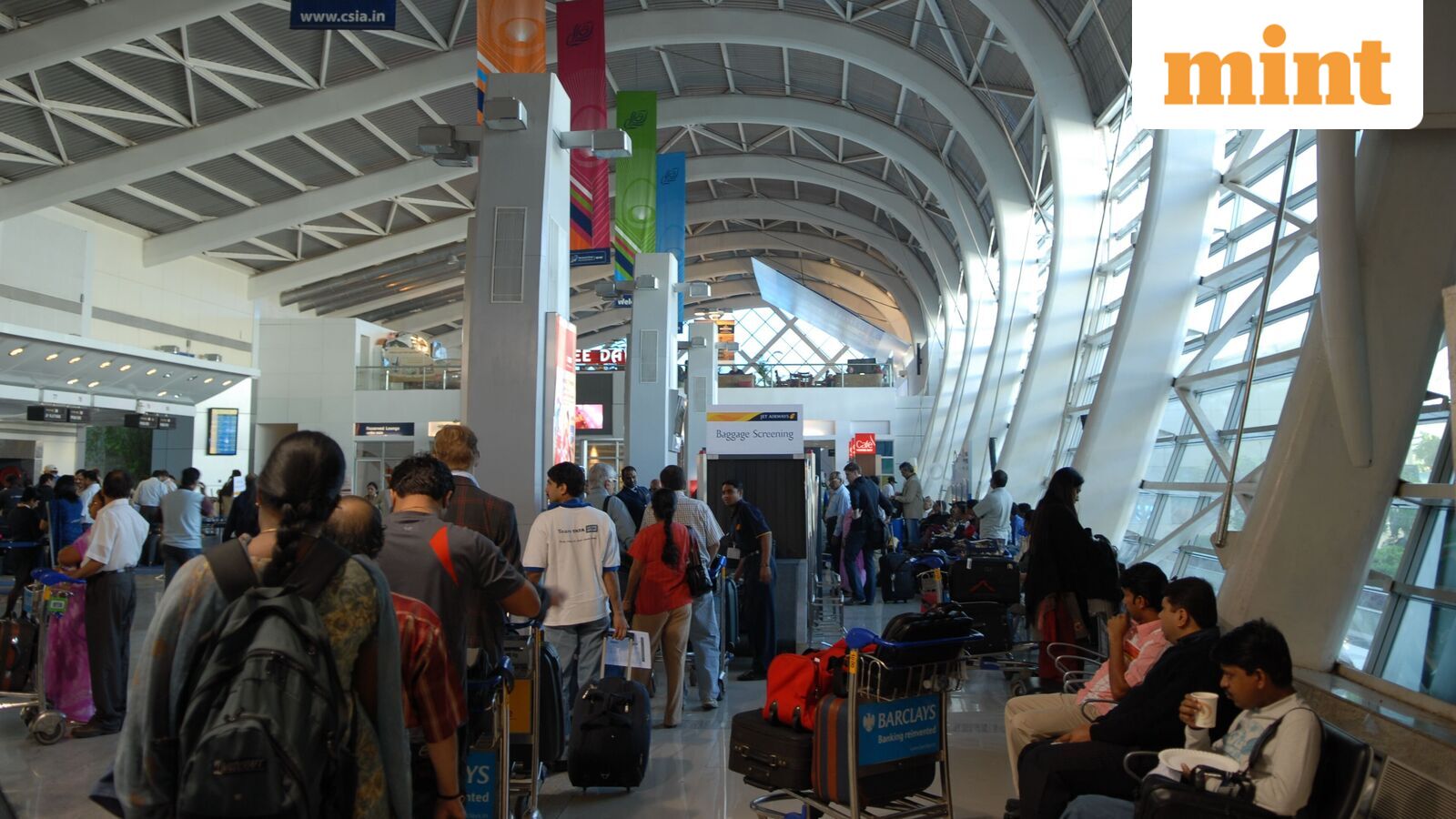
SpiceJet warned of Mumbai flight delays after heavy rain. IMD sees wet spells through Aug. 16; Independence Day security checks add to travel time.
Continue with
SpiceJet warned on Tuesday that flights to and from Mumbai could be delayed after heavy rain swept the city, a disruption that overlaps with a security-tightened travel window at Chhatrapati Shivaji Maharaj International Airport.
Its weather advisory said "all departures/arrivals and their consequential flights might get affected" due to bad weather in Mumbai. Passengers were asked to check the carrier's flight status page before heading to the airport.
India's weather office forecast wet spells for Madhya Maharashtra and Marathwada through Aug. 16, with isolated heavy rain likely over Madhya Maharashtra until Aug. 12. Mumbai woke up to cloudy skies and light rainfall in parts of the city.
Outside Mumbai, rain pressured rail infrastructure. A passenger posted photos of a leaking roof on Platform 2 at Hooghly station in West Bengal, tagging the Divisional Railway Manager of Howrah and Eastern Railway. "A sudden torrential rain has caused the roof of Platform 2 of Hooghly station to leak this way," the post said. The incident is unrelated to SpiceJet. The same weather system is testing transport networks across the country.
SpiceJet had already issued a separate advisory on Monday for passengers travelling between Aug. 11 and Aug. 20, warning that "enhanced security measures may require additional time for security checks and airport formalities." The airport is running heightened checks from Aug. 10 to Aug. 20 ahead of Independence Day. Its own notice instructs passengers to "arrive early and plan their journey accordingly," citing mandatory checks during the celebration window. Longer security queues mean passengers reach gates later, and airlines must decide whether to hold departures or leave without late arrivals. That decision, repeated across dozens of flights, can push the afternoon schedule into the evening.