Stocks● Neutral
Mumbai Rains Disrupt Rail, Road Links; Insurers, Infra Stocks in Focus
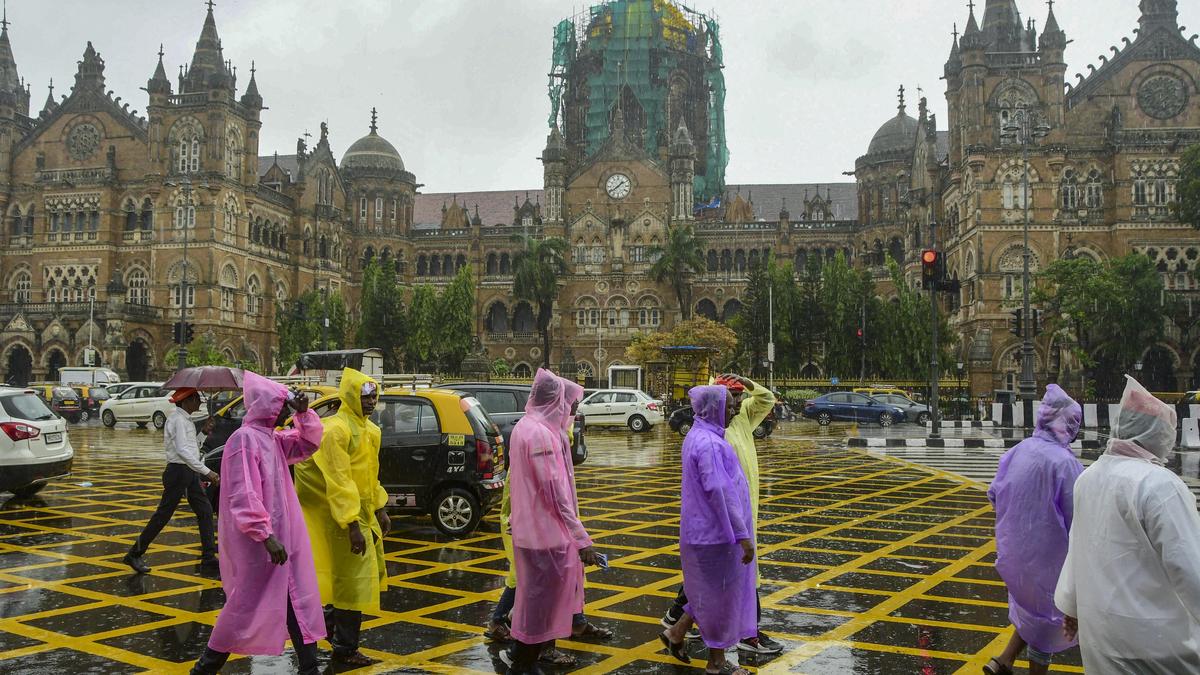
Mumbai's 100-160 mm overnight rain killed six, uprooted 300 trees, and blocked Pune and Ahmedabad routes. Infrastructure and insurance stocks face near-term pressure as the state aims for zero casualties.
Continue with
Overnight rainfall of 100 to 160 mm pounded Mumbai on Monday, killing six people in a building collapse in Mankhurd, uprooting around 300 trees, and severing two major transport corridors. The Mumbai-Ahmedabad rail line stopped after waterlogging. A landslide on the Pune-Mumbai expressway blocked the carriageway near the tunnel of the recently opened missing link, halting road traffic between the two cities.
The disruption comes as the city has already received its average monthly rainfall in just four days, Chief Minister Devendra Fadnavis said. He ordered all departments to stay on alert and appealed to citizens to avoid unnecessary travel. The State Disaster Response Force and the National Disaster Response Force have been placed on alert mode. Fadnavis stressed the goal of zero casualties over the next 48 hours.
For markets, the event has immediate sector-level consequences. The Mumbai-Pune and Mumbai-Ahmedabad routes are critical logistics arteries for goods, commuters, and freight. Persistent waterlogging and landslides threaten delivery timelines for e-commerce, auto components, and perishable goods. Infrastructure companies with road concessions in the region could face short-term toll revenue losses and potential repair costs. Shares of road developers such as IRB Infrastructure may come under pressure if the disruption extends beyond the current 48-hour window.