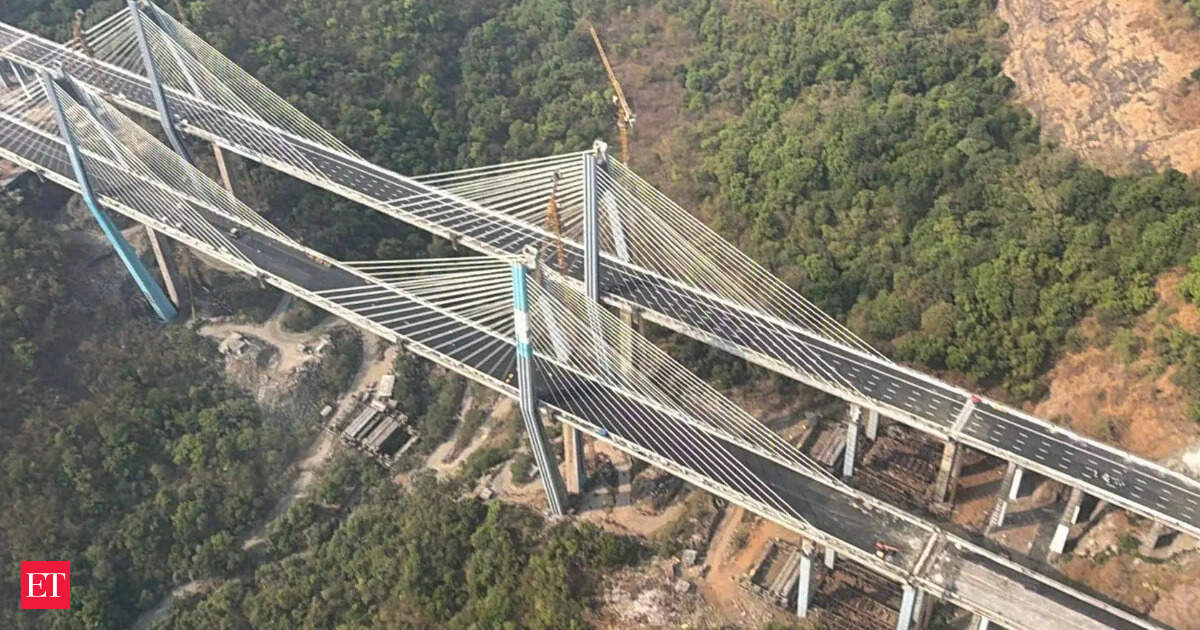
Improved connectivity is set to drive residential and commercial demand across the Mumbai 3.0 corridor. Monitor upcoming regional property absorption data.
The completion of the Missing Link project on the Mumbai-Pune Expressway marks a structural shift for the regional property market. With a total investment of Rs 6,695 crore, the infrastructure initiative aims to reduce travel times between the two cities, effectively bridging the gap between major economic hubs. This development is expected to catalyze demand for both residential and commercial real estate as connectivity improves.
The project functions as a primary catalyst for the development of the Mumbai 3.0 corridor. By streamlining transit, the initiative lowers the friction of movement for commuters and businesses alike. Areas situated between Mumbai and Pune, particularly Navi Mumbai, are positioned to capture increased interest from developers and investors looking to capitalize on improved accessibility. The integration of these markets suggests a shift in how capital is allocated across the state's urban landscape.
Beyond simple transit efficiency, the project serves as a foundation for broader economic integration. The reduction in travel time typically correlates with higher property valuations in peripheral regions that were previously considered too remote for daily commuting. As the infrastructure nears completion, the focus shifts toward the absorption rates of new housing projects and the occupancy levels of upcoming office spaces in the corridor.
AlphaScala data currently tracks various sectors for shifts in momentum. For those monitoring broader technology and consumer trends, our analysis includes NOW stock page with an Alpha Score of 51/100, ON stock page at 46/100, and AS stock page at 47/100. While these represent different sectors, they provide a baseline for how market participants evaluate regional infrastructure and growth catalysts.
The next concrete marker for this corridor will be the official commissioning of the expressway segments and the subsequent release of regional property absorption data. Investors should monitor local municipal filings and land registry updates to gauge the pace of new project launches along the route. The ability of the region to sustain this growth will depend on the successful conversion of improved connectivity into long-term commercial occupancy and residential demand.
AI-drafted from named sources and checked against AlphaScala publishing rules before release. Direct quotes must match source text, low-information tables are removed, and thinner or higher-risk stories can be held for manual review.