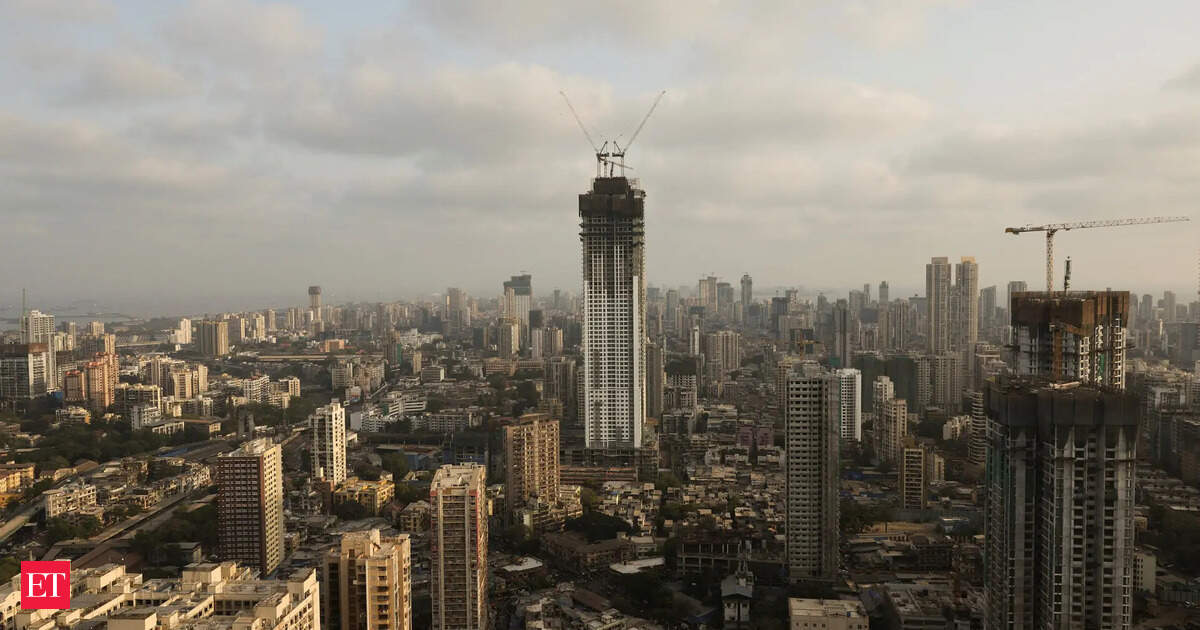
Mumbai is currently navigating a period of intense physical transformation as more than $60 billion flows into a suite of large-scale infrastructure projects. This capital deployment targets the city's long-standing bottlenecks through the construction of extensive metro networks, new expressways, a secondary international airport, and expanded regional connectivity corridors. The scale of this investment represents the most significant attempt to modernize the financial capital's transit architecture in decades.
Structural Shifts in Urban Transit
The primary objective of this expenditure is to alleviate the extreme density that has historically constrained productivity in the Mumbai Metropolitan Region. By shifting the transit burden from overburdened suburban rail lines to a multi-modal system of underground and elevated metro routes, the city aims to reduce commute times and integrate peripheral industrial zones with the central business district. The completion of these projects is intended to lower the cost of logistics for businesses operating within the city, potentially increasing the total addressable market for regional service providers.
However, the transition period introduces significant operational friction. Ongoing construction sites frequently disrupt existing traffic patterns and local commerce, creating short-term volatility for businesses reliant on consistent urban mobility. The success of this infrastructure push depends on the synchronization of these disparate projects, as the utility of a new metro line is often contingent upon the completion of feeder roads and last-mile connectivity infrastructure.
Capital Allocation and Economic Read-through
The sheer volume of capital involved in these projects creates a ripple effect across the broader Indian industrial sector. Companies involved in engineering, procurement, and construction are seeing a sustained demand for their services, which has supported valuations for firms tied to domestic infrastructure development. Investors are now evaluating whether the current pace of project execution can be maintained without triggering cost overruns or labor shortages.
AlphaScala data currently tracks various sectors for performance trends, including the consumer cyclical and industrial segments. For instance, companies like Bloom Energy Corp (BE) operate within the broader industrial landscape, where infrastructure-linked demand remains a key variable for growth. Current AlphaScore metrics for BE sit at 46/100, reflecting a mixed outlook as the market weighs the benefits of long-term capital projects against current macroeconomic headwinds.
The Next Marker for Urban Efficiency
The next critical phase involves the operational launch of the Navi Mumbai International Airport and the full integration of the new metro phases. These milestones will serve as the primary indicators of whether the $60 billion investment will yield the expected improvements in urban efficiency. Market participants will look for evidence of increased passenger throughput and reduced freight transit times as these assets transition from construction to active service. The ability of the municipal and state authorities to manage the debt servicing associated with these projects will also remain a central focus for analysts assessing the long-term fiscal health of the region. As these projects reach completion, the focus will shift from capital expenditure to the realized economic gains in productivity and regional integration.