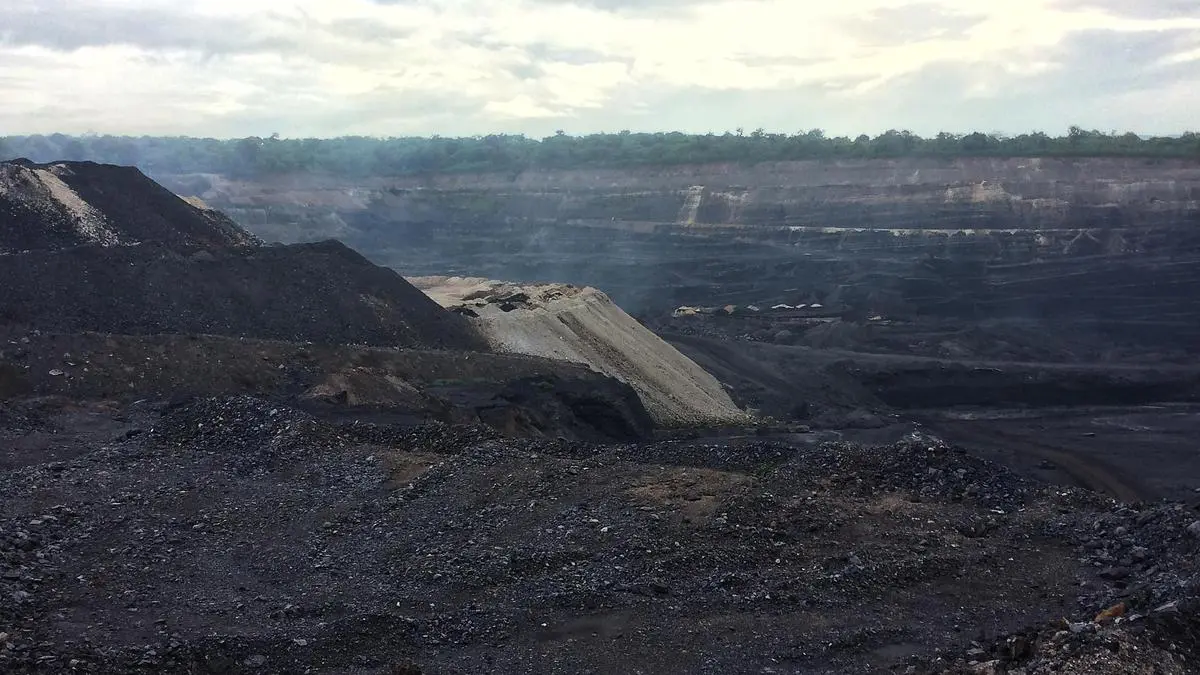
The Indian Cabinet is preparing to authorize a ₹37,500 crore incentive framework designed to accelerate the domestic adoption of coal gasification technology. This policy shift aims to transform coal into syngas, which serves as a critical feedstock for the production of chemicals, fertilizers, and energy alternatives. By incentivizing these capital-intensive projects, the government seeks to reduce the nation's reliance on imported natural gas and chemical feedstocks.
Strategic Shift in Energy Feedstocks
Coal gasification represents a pivot toward utilizing abundant domestic solid fuel reserves to meet industrial demand for gaseous energy. The proposed funding structure is intended to lower the high entry barriers associated with gasification plants. These facilities require significant upfront capital expenditure compared to traditional coal-fired power generation. The incentive scheme effectively bridges the viability gap for private and public sector entities looking to integrate gasification into their existing operations.
This initiative aligns with broader efforts to modernize the energy sector. By converting coal into cleaner-burning syngas, the government intends to mitigate the environmental footprint of traditional coal combustion while maintaining energy security. The policy is expected to influence the operational strategies of major domestic energy and mining firms, as the availability of state support makes gasification projects more competitive against imported alternatives.
Impact on Industrial Import Dependence
Reducing import dependence remains the primary economic driver for this policy. India currently imports a significant portion of its natural gas and methanol requirements to support industrial growth. By substituting these imports with domestically produced syngas, the government aims to stabilize input costs for downstream manufacturers. This transition is particularly relevant for the fertilizer industry, which relies heavily on gas-based feedstocks.
Investors should monitor the specific eligibility criteria for the ₹37,500 crore allocation. The rollout of the scheme will likely dictate the pace of project commissioning over the next several fiscal years. As firms evaluate the internal rate of return for gasification plants, the availability of these incentives will serve as the primary catalyst for final investment decisions. The next concrete marker for this policy will be the formal notification of the scheme guidelines, which will define the disbursement schedule and technical requirements for participating companies.
For broader context on how such industrial policy shifts influence sector valuations, refer to our stock market analysis. The success of this program will depend on the ability of domestic firms to scale these complex chemical processes efficiently while navigating the transition away from traditional coal usage.