Stocks● Neutral
MTY Food Group: Debt Load Threatens Value Thesis (TSX:MTY:CA)
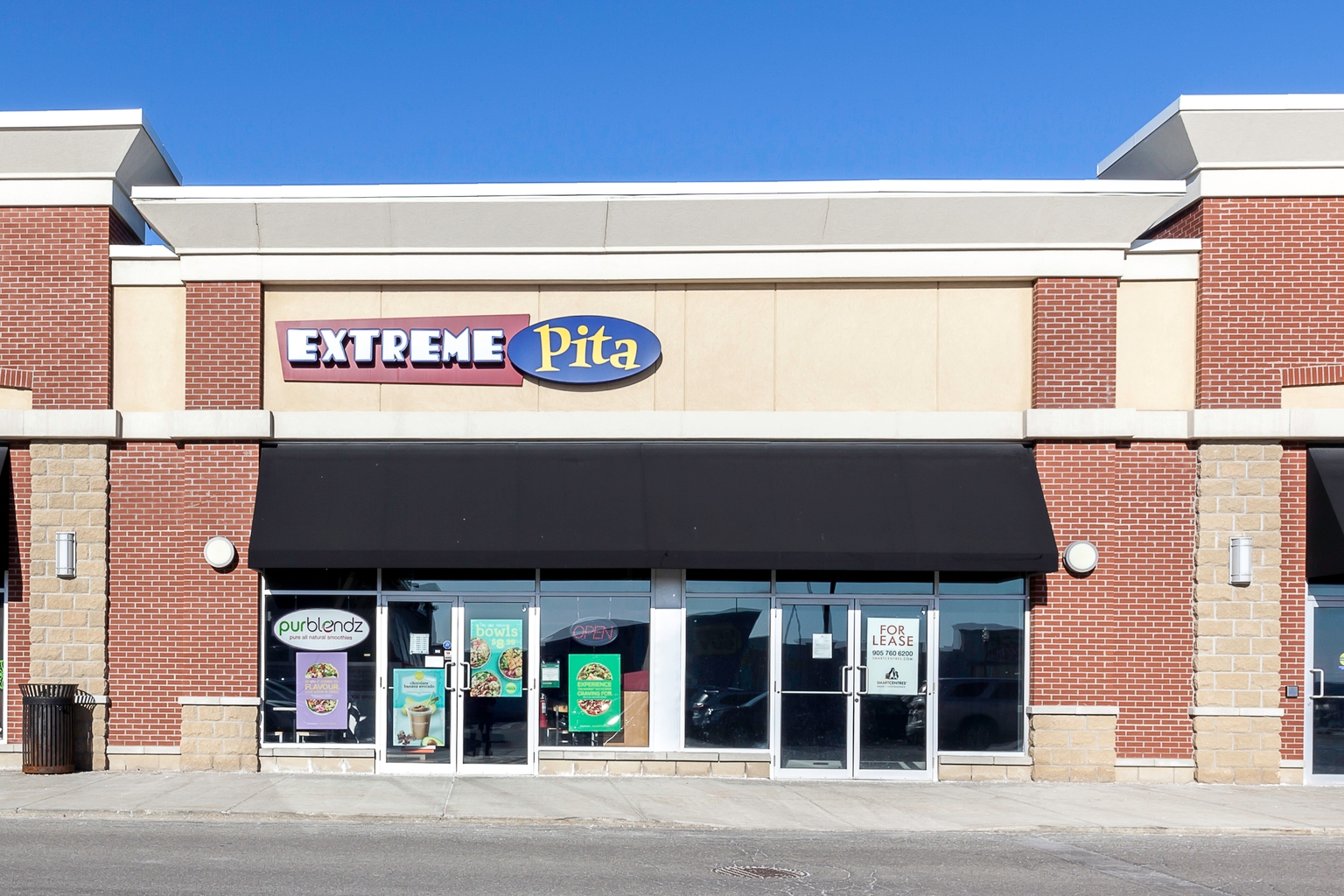
MTY Food Group's debt load is rising as interest rates stay higher. A covenant breach or EBITDA slip could trigger a sharp repricing. Earnings due early April.
Continue with
MTY Food Group has built a stable of quick-service brands through a string of acquisitions, largely funded with debt. The strategy worked when interest rates sat near zero and consumer spending held up. Now, with rates higher and same-store sales under pressure in some segments, the balance sheet is the stock's biggest risk, according to a Seeking Alpha analysis from Ronald Nucci.
Nucci holds a long position in MTY and laid out the bull case in his article. The company franchises brands like Papa Murphy's and Sweet Frog, generates steady royalty income, and trades at a discount to peers. The value thesis rests on the idea that the market is mispricing a durable cash-flow machine. Nucci argued the margin for error is narrower than the valuation suggests.
The core of the risk is leverage. MTY carries a significant debt load from years of buying regional chains. Its net debt-to-EBITDA ratio has historically run between 3x and 4x, which is manageable for a franchisor with low capital spending. The company's credit facility includes a maximum leverage covenant of 4.5x, according to its filings. If EBITDA slips, that ratio could push toward the covenant line. A breach would force renegotiation, likely at worse terms. Nucci said that is the kind of event that turns a value play into a value trap.
A second risk sits with the franchisees. MTY's revenue depends on royalty fees. Operators face higher food and labor costs. Stores may close or delay remodels. That would reduce royalty income and could trigger impairment charges on goodwill tied to underperforming brands.