Stocks● Neutral
Mozambique’s First Transitional Justice Conference Still Sidesteps Root Causes
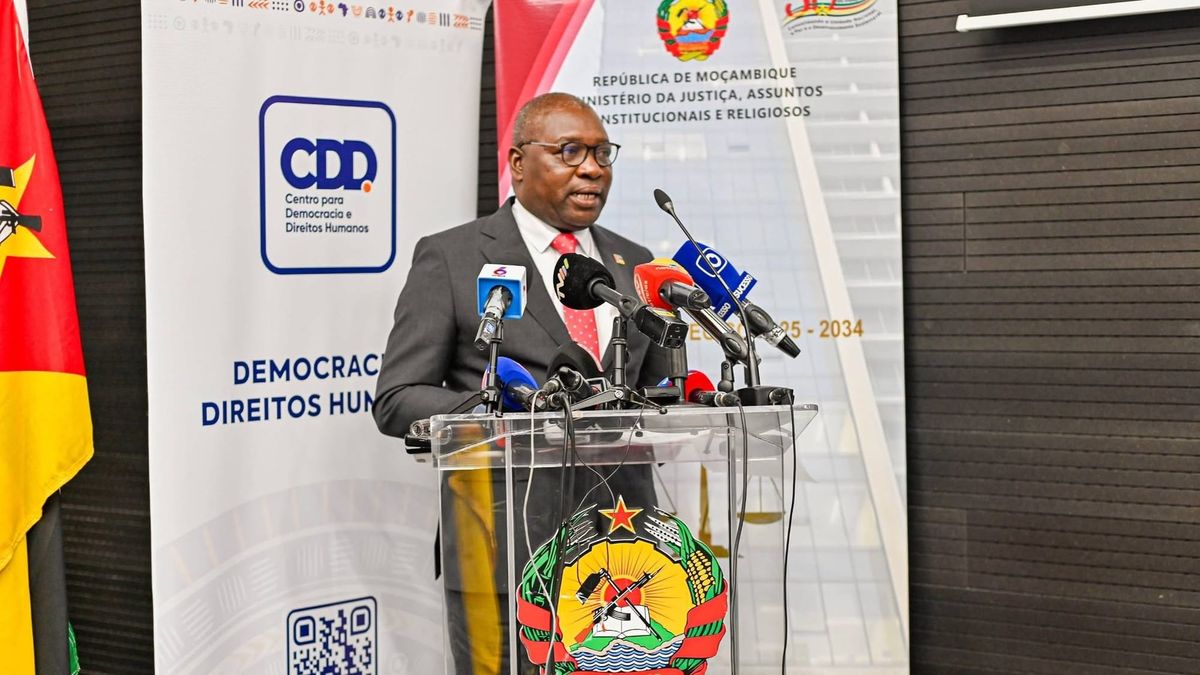
Mozambique's first public transitional justice conference brought officials and victims together for two days in Maputo. The state acknowledged past failures but stopped short of confronting electoral fraud or police violence. Civil society says reconciliation needs truth first.
Continue with
Maputo. For the first time, senior Mozambican officials sat down with civil society to discuss transitional justice. The conference, organized by the Centre for Democracy and Human Rights (CDD) and backed by the Open Society Foundations, brought together the Ministers of Justice and Interior, the Attorney-General's office, police, diplomats, academics, and victims.
Interior Minister Paulo Chachine acknowledged that Mozambique's recent history – from civil war to violent extremism and post-election unrest – shows peace cannot be taken for granted. He called for professionalism, legality, and proportionality in policing demonstrations. He said the police should act impartially and according to the constitution.
Those statements would have been hard to imagine a year ago.