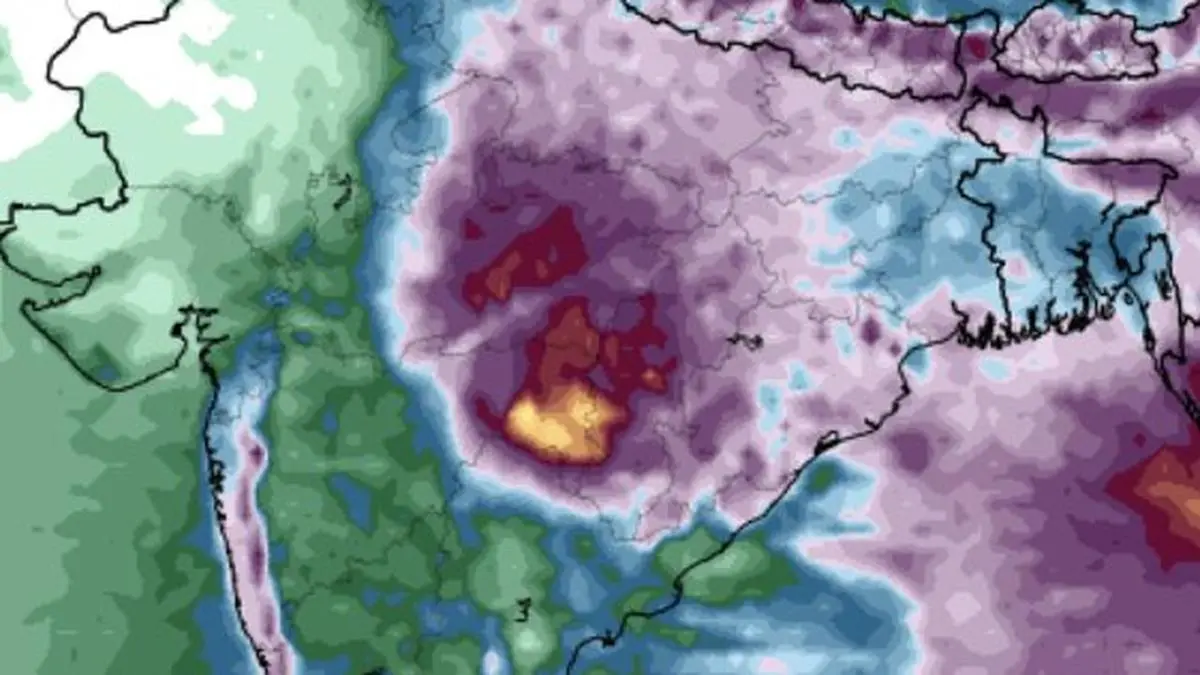
Below-normal rain from August 20 to September 2 threatens India's kharif crop and food inflation, with the southward belt shift offering only partial relief for Kerala and Tamil Nadu.
The monsoon, after a burst of activity over eastern and northern India, is set to quiet down under a strengthening El Nino. The India Meteorological Department expects rainfall to stay below normal from August 20 through September 2, a stretch that covers the final weeks of the key kharif growing season.
That matters for Indian markets because the monsoon directly feeds into the inflation call. A weaker finish could push food prices higher, especially for pulses, oilseeds, and vegetables. The RBI has already held rates steady on inflation concerns; a dry September would complicate any early pivot.
Traders tracking the agricultural trade should watch the southward shift in the rain belt. While East and Central India see a weakening system, parts of Tamil Nadu, Kerala, and coastal Karnataka could get widespread rain over the next week. The IMD forecasts isolated heavy falls for Kerala and Mahe on Sunday and Monday, and fairly widespread rain for four days starting Sunday. That could help the region's late-season crops, but it won't offset the broader deficit.
By late August, the weather story pivots again. The western Himalayas – Himachal Pradesh, Uttarakhand, Jammu and Kashmir – should see heavy rain from August 27. East and Northeast India remain in the firing line, with intense spells possible over Arunachal Pradesh, Assam, Meghalaya, West Bengal, Sikkim, and Odisha. The west coast, particularly Konkan and Goa, and Coastal Karnataka, may also see widespread rain.
But the all-India number is the one that matters for the macro trade. A below-normal August finish adds to the El Nino premium that already pushed soybean and cotton prices higher. Food inflation surprised to the upside in July; a repeat would test the RBI's tolerance.
For global investors with India exposure, the monsoon risk is a secondary factor behind policy and demand, but not a trivial one. A poor crop season could slow rural consumption, which accounts for a meaningful share of the economy. That would show up first in the earnings of consumer staples and auto companies, then ripple through discretionary names.
Apple's India revenue is still small, but the company is building its local manufacturing and retail presence. A prolonged rural downturn would not directly hit iPhone sales – those are urban and premium – but it would slow the broader demand recovery that Apple is betting on for its next growth leg. The next rain data points come weekly from the IMD; the August 27 shift will be the first real test of whether the southward shift sustains.
Prepared with AlphaScala editorial tooling from the source reporting linked above. Indexable analysis may include a cited Alpha Score value. Publishing checks screen each story before release. Educational coverage, not personalized advice.