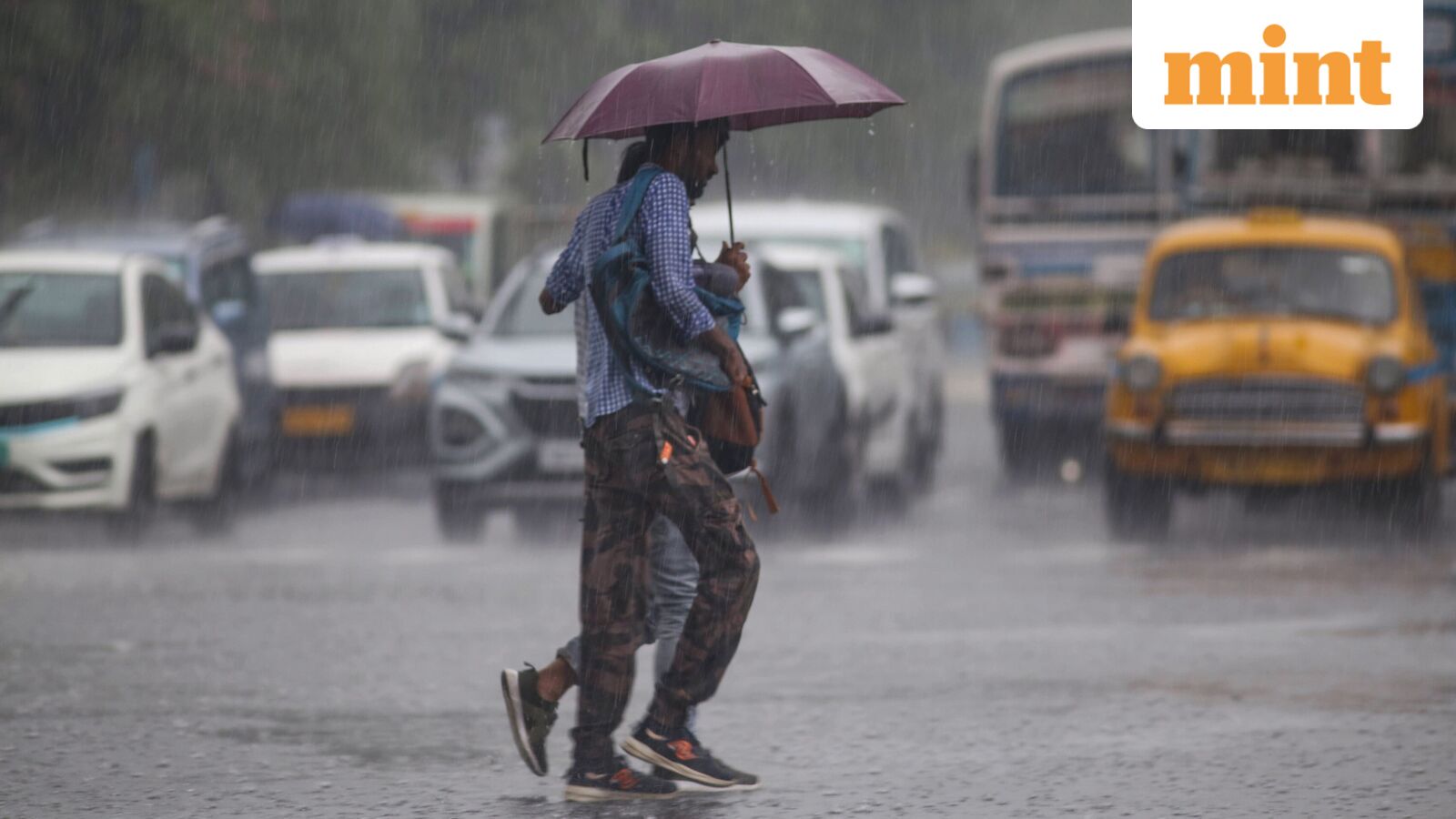
The southwest monsoon is pushing deeper into central and northern India, the India Meteorological Department said Thursday, with heavy rain warnings for the west coast and the northeast. The seasonal rainfall, which arrived in Kerala on June 4, three days later than normal, now covers a wider area after a slow start. IMD expects it to reach Gujarat, Madhya Pradesh, parts of Chhattisgarh, Jharkhand, Bihar, Uttar Pradesh and Uttarakhand over the next three to four days.
The monsoon accounts for nearly 70% of India's annual rainfall and drives the kharif sowing season. With only about 55% of the country's net sown area irrigated, a large share of farmland depends on the rains. A shortfall raises irrigation costs for farmers and can squeeze margins for fertilizer suppliers.
Sanjiv Kanwar, managing director of Yara South Asia, the Indian arm of Norwegian fertilizer group Yara International, pointed to the delayed monsoon as a symptom of growing climate uncertainty. "The delayed and weak progress of this year's southwest monsoon, driven in part by the intensifying El Niño, highlights the growing climate uncertainty facing Indian agriculture," Kanwar said. He called for a shift toward precision agriculture and balanced crop nutrition to build resilience.
Yara International's Alpha Score sits at 31 out of 100, labeled Weak, in the Basic Materials sector. The company's exposure to Indian farm demand is a factor in its outlook. A weak monsoon raises the risk that farmers delay or reduce fertilizer purchases, particularly if they face higher irrigation costs. The opposite holds if rains arrive in time and spread evenly.
IMD forecasts widespread heavy to very heavy rainfall, 7 to 20 cm, along the west coast, northeast India, and sub-Himalayan West Bengal and Sikkim through the week. Isolated extremely heavy rainfall is expected over Sub-Himalayan West Bengal and Sikkim from June 27 to 29, and over Assam and Meghalaya on June 28. Konkan and Goa should see widespread rain from June 26 to July 1, with thunderstorms and lightning through June 29. Marathwada may get squally winds reaching 50 to 60 kmph, gusting to 70 kmph on June 25.
Heatwave conditions persist in parts of east Uttar Pradesh, Bihar and Jharkhand for the next two to four days. IMD warned of severe heatwave in isolated pockets of east Uttar Pradesh on June 26 and 27.
The rain distribution matters for fertilizer demand. A strong, well-distributed monsoon supports kharif sowing of rice, cotton, sugarcane and oilseeds, which drives urea and di-ammonium phosphate consumption. A patchy monsoon, with floods in some regions and dry spells in others, creates uneven demand and logistical strain on fertilizer supply chains. Companies with distribution networks in the heavy-rain zones face the risk of delayed deliveries and higher storage costs.
For Yara, the immediate read-through is about application timing. If the monsoon covers the key sowing regions in the next two weeks, farmers will apply fertilizer through July. If the rains stall or arrive in concentrated bursts, the application window narrows and volumes may fall short of expectations. The company's South Asia unit has been pushing precision-farming tools to help farmers match nutrient application to actual rainfall, a strategy that gains relevance when the monsoon is erratic.
IMD's outlook for the next week suggests the west coast and northeast will see the heaviest activity. Those are not the main fertilizer-consuming belts. The critical test comes when the monsoon reaches the Indo-Gangetic plains, where wheat and rice dominate. That advance is still in progress.
For a deeper look at Yara's positioning, see Why Yara's Alpha Score Stays at 59 Despite Gas Cost Relief and YARIY Margin Pressure Mounts Amid Fertilizer Market Volatility.