Crypto▲ Bullish
Monaco Moves to Scrap 2022 Crypto Law, Adopt MiCA Rules
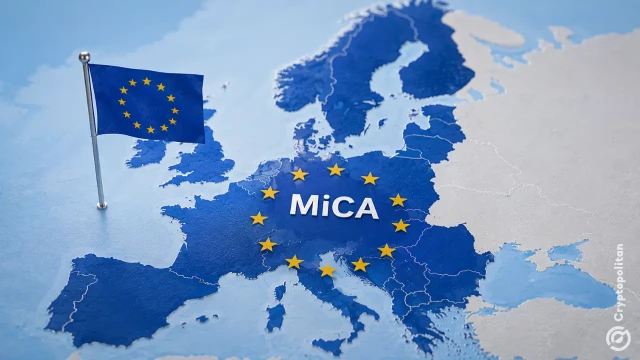
Monaco's Bill No. 1131 would replace the 2022 crypto law with MiCA-style rules. The move comes as the Principality sits on the FATF grey list and the EU's high-risk money-laundering list.
Continue with
Monaco’s government wants to repeal the Principality’s 2022 crypto law and rebuild its rules around the European Union’s Markets in Crypto-Assets Regulation (MiCA).
Bill No. 1131, filed in early August with the National Council, would replace Law No. 1.528 of July 7, 2022. The current law split crypto and digital-asset work into issuance and operational services cleared by the State Minister, with crypto-linked investment services authorized by the Commission de Contrôle des Activités Financières (CCAF). Foreign firms were banned from cold-marketing to residents.
The proposed regime would require any firm offering crypto-asset services to get clearance from the CCAF. Before that, the firm would be reviewed by the Autorité Monégasque de Sécurité Financière and the Agence Monégasque de Sécurité Numérique, the bill text shows. The bill lists exactly which crypto services are allowed in Monaco and sets rules for how companies must run operations, manage risks, and behave professionally. It also gives the CCAF more power to oversee and penalize firms, which the government said will help stop money laundering and other financial crimes.