Stocks● Neutral
Mohan Bhagwat Flags Communication Gap as India Unrest Widens
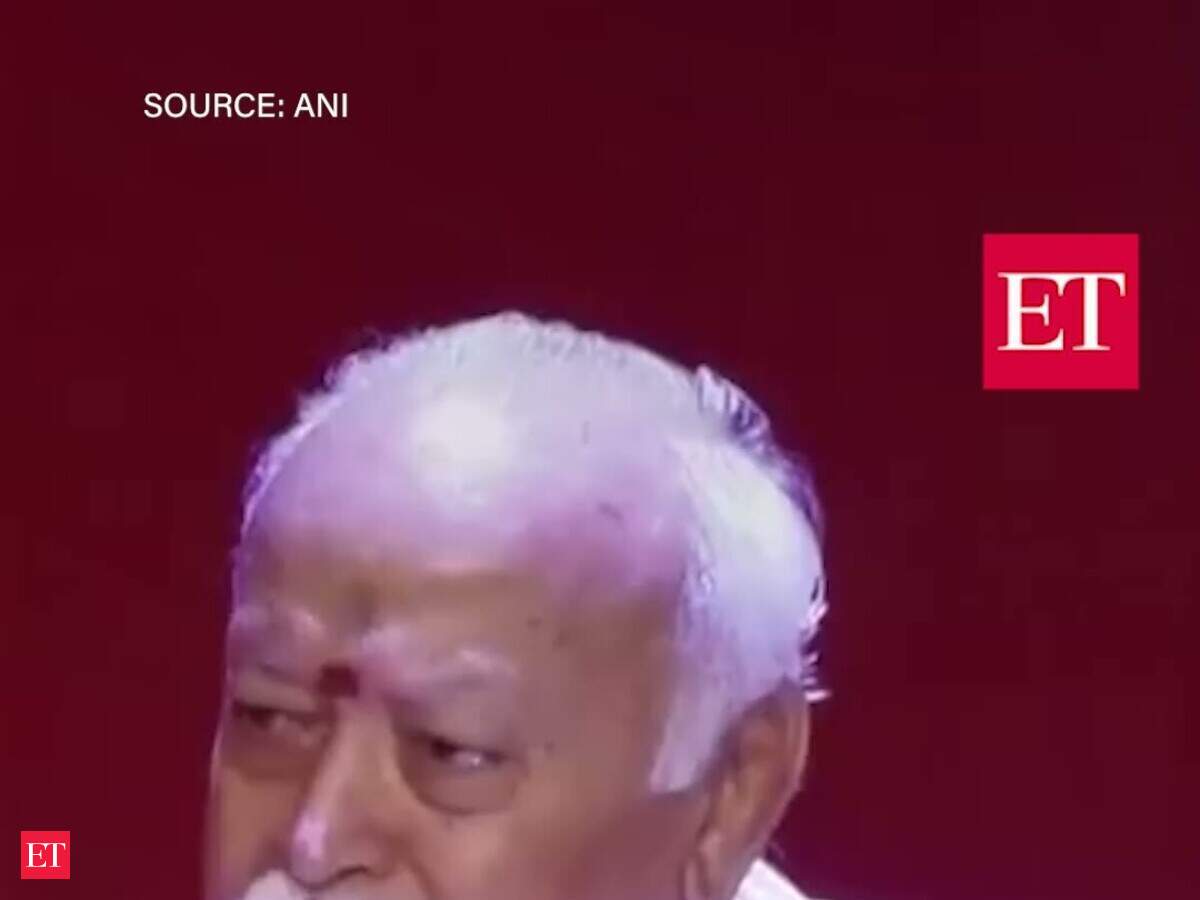
RSS chief Mohan Bhagwat warned family conversations have stopped, the latest signal of social strain as student protests and opposition detentions escalate.
Continue with
RSS chief Mohan Bhagwat said conversation has stopped even within families, a remark that lands at the sharp end of a political crisis already testing India's social fabric.
The statement came as student protests over a national exam paper leak entered a second week. Thousands have gathered at Delhi's Jantar Mantar. Opposition leaders including Rahul Gandhi and Priyanka Gandhi were detained Wednesday during a march toward the prime minister's residence. Akhilesh Yadav and Kanhaiya Kumar were also held. MPs in the opposition bloc demanded the resignation of Education Minister Dharmendra Pradhan.
"Conversation has stopped even within families," Bhagwat said in a video published by the Economic Times. The comment from the chief of the Rashtriya Swayamsevak Sangh, the ideological parent of the ruling BJP, is unusual in its directness about internal social discord.
The RSS usually stays out of day-to-day political firefights. A public comment on a breakdown of conversation inside families suggests the organization sees the current unrest as a deeper social problem, not just a political dispute over exam malpractice.
The protests began over the NEET-UG and UGC-NET paper leaks. They broadened into a wider critique of the government's handling of youth unemployment and education policy. Sonam Wangchuk, the Ladakh activist, ended a 26-day hunger strike this week after meeting Union Ministers JP Nadda and Jitendra Singh. Anna Hazare sent a letter to Prime Minister Modi, saying the government must hear public questions.