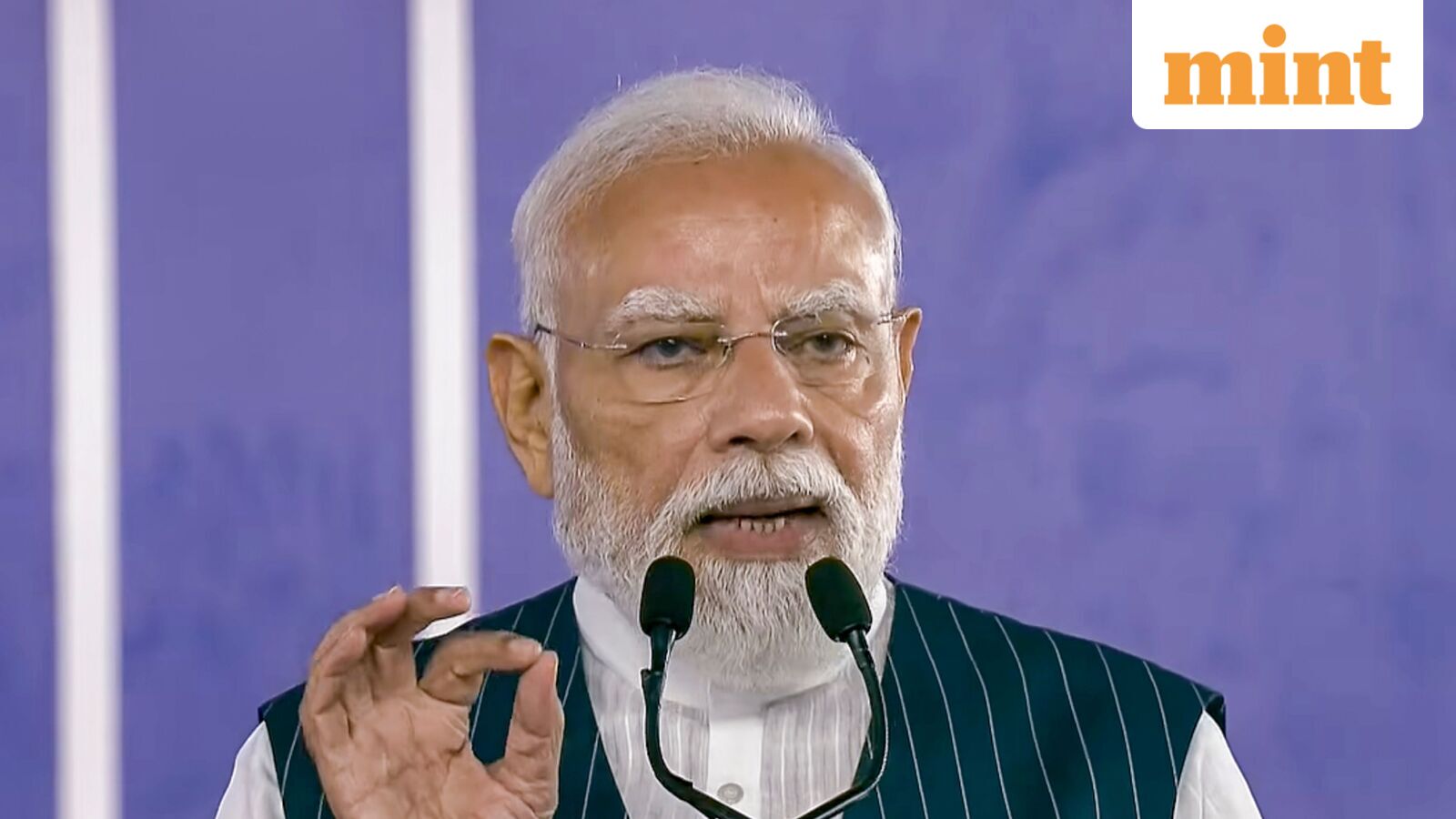
Prime Minister Narendra Modi chaired a second high-level meeting with secretaries on Tuesday, pressing ministries handling finance, economy, commerce, industry, and technology to break horizontal and vertical silos. The government wants departments to coordinate closely and deliver integrated outcomes, the Prime Minister's Office said.
“We discussed key aspects relating to sectors like finance and economy, commerce and industry as well as technology,” Modi wrote on X. He called for stronger team building and urged officials to work with a shared sense of purpose.
Modi said the people of India must remain at the center of governance, with every decision and policy guided by the interests of the common citizen. He stressed that while the country is making significant investments in infrastructure, equal priority must go to developing indigenous technologies. Technological self-reliance and building domestic capabilities in critical sectors were recurring themes.
Energy security, Modi argued, is closely linked with national security, economic stability, and citizens' welfare. He said India must achieve self-reliance in energy through innovation, diversification, and accelerated capacity creation.
Cybersecurity also featured prominently. Modi said the need to strengthen cybersecurity grows as technology use expands across sectors. He encouraged greater participation of young innovators and entrepreneurs, adding that the ecosystem should evolve into a nationwide movement.
The prime minister called for proactive communication on strategic sectors where the country is undertaking major initiatives. He said countering misinformation and unfounded fears around such efforts is important.
On education, Modi said new academic courses should be planned in partnership with industry to equip the workforce with skills required by emerging and future industries.
Reforms are a continuous necessity for effective governance, Modi said. He stressed the need to reform processes, improve work culture, and strengthen institutional efficiency. The officials shared their experiences and perspectives on key initiatives, emerging opportunities, and implementation challenges, according to the PMO.
The meeting was attended by the cabinet secretary, secretaries of key ministries and departments, and senior officials from the PMO.
Modi's directives come as India seeks to reduce dependence on imported technology and energy. The push for indigenous tech could benefit domestic electronics manufacturers, semiconductor firms, and IT services companies that invest in research and development. The emphasis on energy self-reliance supports renewable energy producers and battery storage developers. Cybersecurity spending may rise as government agencies and critical infrastructure adopt the new guidelines.
No specific targets or deadlines were announced. The PMO said another review meeting is expected in three months.