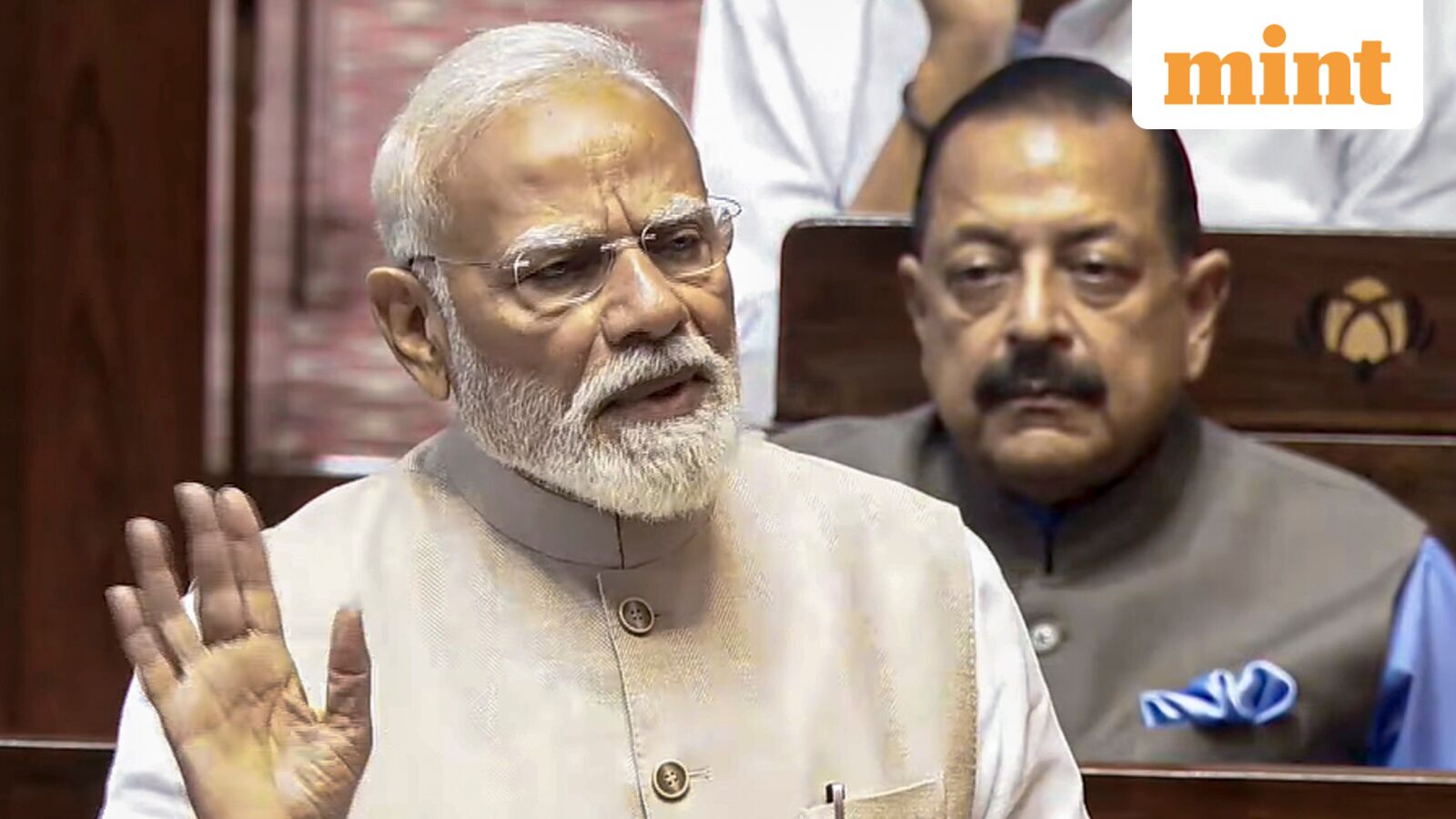
Modi Appeals for Bipartisan Support on Women’s Reservation Bill Amid Legislative Hurdles

Prime Minister Narendra Modi has called for bipartisan cooperation to pass the women's reservation bill following reports that the NDA lacks the necessary numbers for a smooth legislative victory.
Prime Minister Narendra Modi has publicly urged opposition members to secure the passage of the women's reservation bill, appealing to legislative consensus after debates extended late into the night. The Prime Minister utilized social media to address what he described as lingering misconceptions and information gaps among lawmakers, framing the legislation as a moral imperative rather than a partisan objective.
The Legislative Arithmetic
The push for this bill follows reports that the National Democratic Alliance (NDA) has struggled to maintain the necessary vote count to ensure a frictionless path to enactment. Despite the government's strong majority in the lower house, the procedural requirements for constitutional amendments demand a higher threshold of support. The Prime Minister’s direct appeal suggests that the administration is seeking to avoid a contentious floor fight by co-opting members from across the aisle.
"Think of your mothers," the Prime Minister stated in his social media address, emphasizing the social weight of the legislation to sway undecided or resistant legislators.
Market Implications and Political Risk
For investors monitoring Indian markets, the stability of the current legislative agenda remains a primary variable. Policy continuity is the bedrock of foreign institutional investment (FII) flows into the Nifty 50 and SENSEX. When the government faces difficulty in passing flagship social or economic legislation, it creates a perception of political friction that can lead to short-term volatility in banking and infrastructure stocks.
Traders should watch the following indicators for signs of legislative gridlock:
- Volatility Index (INDIA VIX): A spike often precedes sessions where major bills are expected to face stiff opposition.
- Public Sector Bank Performance: Often used as a proxy for government stability and reform momentum.
- FII Net Flows: Large-scale exits are historically tied to periods of perceived policy paralysis.
What to Watch
Market participants should focus on the upcoming parliamentary sessions to see if the opposition accepts the Prime Minister's invitation for cooperation. If the bill fails to gain the required supermajority, it could signal a broader trend of legislative friction that complicates future economic reforms, such as land or labor law adjustments. Traders should monitor the performance of index-heavy stocks as a barometer for institutional confidence in the government's ability to execute its agenda.
Legislative outcomes in the current session will dictate the risk premium for Indian equities through the end of the quarter.
AI-drafted from named sources and checked against AlphaScala publishing rules before release. Direct quotes must match source text, low-information tables are removed, and thinner or higher-risk stories can be held for manual review.