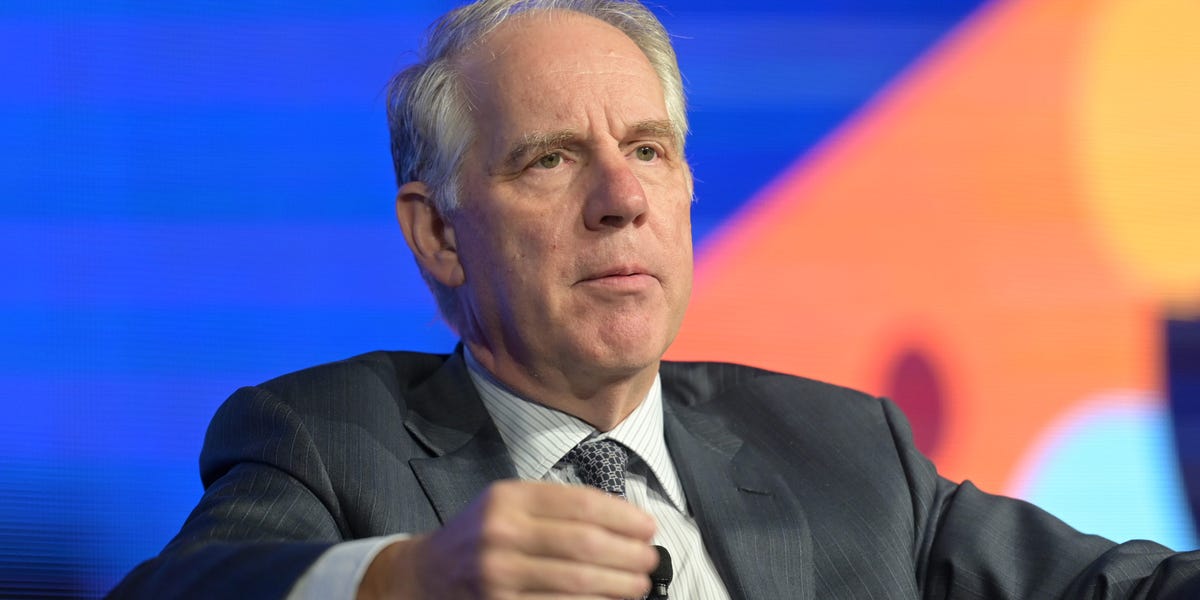
Apollo Global Management President Jim Zelter warned that the current AI-driven infrastructure buildout could require between $5 trillion and $6 trillion in capital expenditure over the next five years. This staggering figure reflects the massive scale of data center development needed to support the compute demands of large language models and broader generative AI integration.
The Infrastructure Spending Gap
Zelter’s assessment centers on the reality that AI power and facility requirements are far outpacing historical infrastructure growth. The sheer volume of hardware and cooling systems required to sustain modern data centers is forcing a massive reallocation of capital. For investors, the concern is whether the revenue generated by AI applications can eventually justify a multi-trillion-dollar sunk cost in physical assets.
| Investment Area | Estimated Capital Requirement |
|---|
| Data Center Construction | $5 Trillion - $6 Trillion |
| Time Horizon | 5 Years |
| Primary Driver | AI Compute Demand |
Market Implications for Tech and Credit
The market has largely priced in the "picks and shovels" trade, rewarding companies that sell the silicon and server racks. However, Zelter’s focus on the sheer scale of the investment suggests a coming squeeze on free cash flow for firms that cannot prove immediate monetization. Traders should watch for a shift in sentiment toward companies with high capital intensity but lagging profitability.
- Credit Spreads: As capital expenditures balloon, watch for widening spreads in the high-yield and leveraged loan markets for firms heavily exposed to unproven AI infrastructure projects.
- Sector Rotation: Expect potential volatility in indices like the SPX and IXIC if major tech firms begin to signal that the cost of maintaining massive data center footprints is eroding margins.
- Supply Chain Constraints: The $6 trillion estimate implies significant pressure on raw materials and industrial power capacity. This could create secondary opportunities in traditional energy markets, which you can monitor via our crude oil profile.
What to Watch
Investors need to look beyond the top-line revenue growth of the major cloud providers. The real metric to watch in coming quarterly reports is the return on invested capital (ROIC) for new data center projects. If firms are spending billions on hardware that sits underutilized or fails to drive distinct enterprise software adoption, the market may begin to punish the "growth at any cost" narrative that has dominated the cycle.
Keep a close eye on the capital expenditure guidance provided by the hyperscalers in upcoming earnings calls. If these budgets continue to trend upward without a corresponding increase in operating margins, the risk of an infrastructure bubble will become a primary focus for portfolio managers. For those tracking broader market sentiment, our market analysis provides a deeper look at how institutional capital is shifting away from growth-heavy tech toward more defensive, cash-generative positions.
Capital intensity is now the primary risk factor for the AI trade, and the market is unlikely to sustain these spending levels indefinitely without clear signs of enterprise-wide efficiency gains.