The State's Bet on Quantum Infrastructure
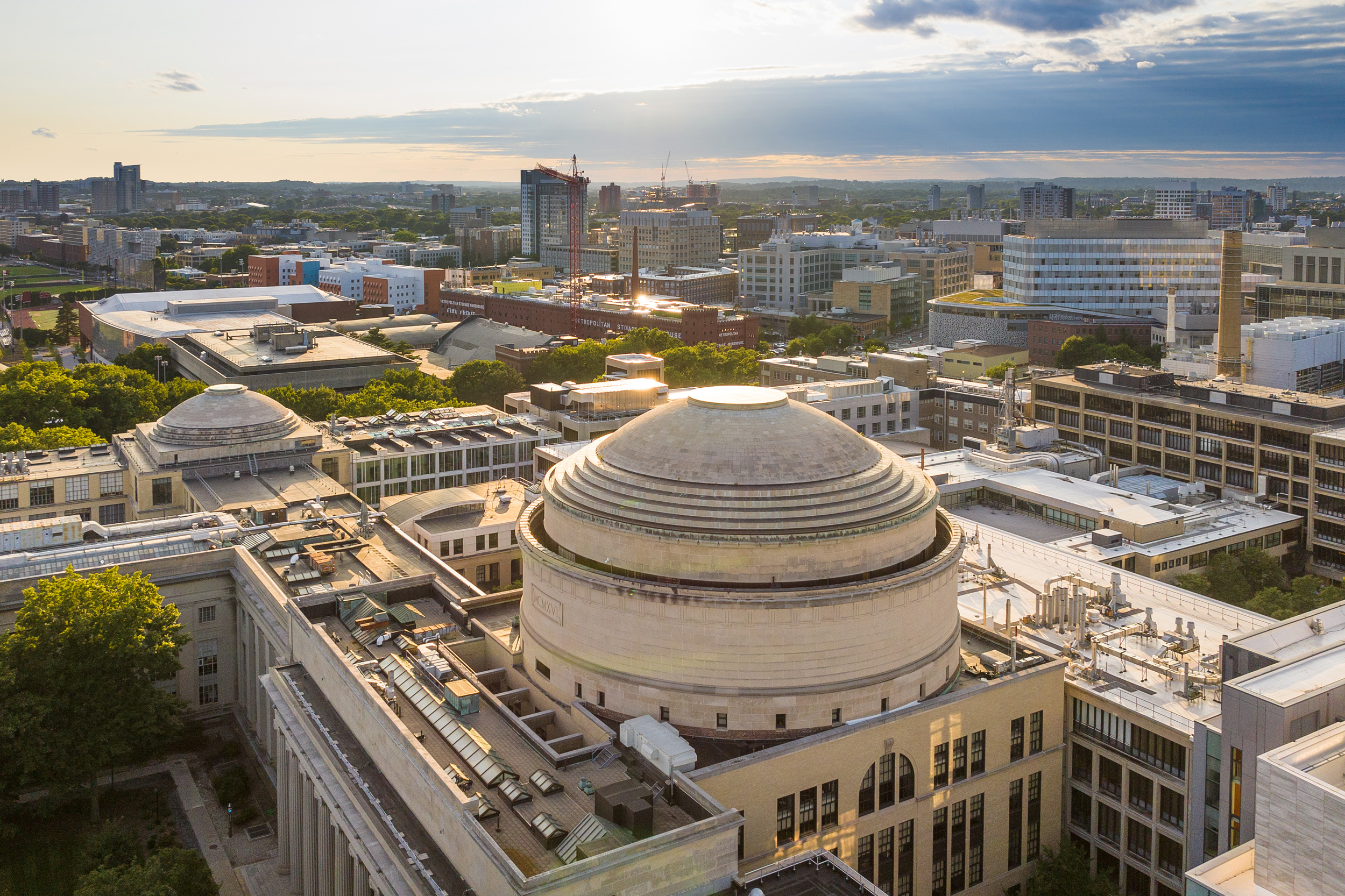
Massachusetts Governor Maura Healey and MIT President Sally Kornbluth announced on May 28 a new shared-use facility called the Quantum Systems Laboratory (QSL) , to be built in MIT's Building 39. The state is committing $25 million to match a portion of federal quantum research funding already flowing to MIT. Construction could begin this summer, creating more than 150 on-site jobs and another 75 to 100 positions across supply chain and professional services.
“Quantum technologies have the potential to drive transformative change in fields from computing, security, and navigation to health sciences, defense technologies, and space exploration,” Kornbluth said. “Greater Boston has the greatest concentration of quantum talent of anywhere in the world.”
The lab will combine a state-of-the-art quantum computer with essential peripheral hardware – sensors and quantum interconnects – that are needed to scale the technology from lab experiments to practical problem-solving. QSL will serve as the physical home for the MIT Quantum Initiative (QMIT) , announced in December, and complements existing shared facilities like MIT.nano and MIT Lincoln Laboratory’s SQUILL foundry, both of which have already produced startups and new standards for quantum information transmission.
Public Quantum Stocks: Indirect Exposure, Not Direct Revenue
The quantum computing sector includes publicly traded names such as IonQ (IONQ) , Rigetti Computing (RGTI) , and D-Wave Quantum (QBTS) , as well as large technology companies with quantum divisions like Alphabet (GOOGL) and IBM (IBM) . The QSL announcement does not alter any of these companies’ financial statements. What it does change is the cost structure of quantum experimentation in the Boston area, which holds the world’s largest concentration of quantum talent.
The Naive Read: A Near-Term Catalyst
A quick scan might treat any government funding for quantum research as a positive for the sector. The $25 million state investment, combined with matching federal dollars and MIT’s own commitment, creates a meaningful pool for hardware development. Traders could expect a brief rally in quantum ETFs or individual names on the news.
The Better Read: Infrastructure Timeline, Not Earnings Timeline
The better market read requires distinguishing between infrastructure funding and direct commercial contracts. QSL is a shared facility, not a purchase order for any public company. The lab provides equipment and experimental capabilities that reduce the capital expenditure burden for startups. That could accelerate the pace of technical breakthroughs. Yet the revenue impact for publicly traded quantum firms is indirect and likely years away. The real signal is the government’s willingness to fund quantum infrastructure at a state level, which could lead to larger federal programs and commercial partnerships later.
Confirmation and Invalidation Signals
Traders positioning around this catalyst need specific markers to confirm or weaken the thesis.
What Confirms the Thesis
- Additional state or federal funding beyond the initial $25 million. The matching structure implies further dollars could follow.
- Partnership announcements between QSL and a publicly traded quantum company, such as a joint research agreement or a licensing deal.
- A published breakthrough from QSL researchers that demonstrates a practical advance in quantum error correction or interconnect technology.
- Startup spinouts from the lab that attract venture funding, validating the commercial potential of the shared-facility model.
What Weakens the Thesis
- Construction delays or budget overruns that push the lab’s opening beyond 2025.
- Lack of interest from commercial partners, indicating the shared-facility model does not reduce costs enough to attract private capital.
- A shift in federal priorities away from quantum research toward other technologies, reducing the matching funds available.
The $25 Million Match and the Talent Pipeline
The state’s investment is structured as a match for federal funding already secured by MIT. That means the total sum available for the lab’s equipment and operations could be significantly larger than the headline number. Philanthropist Thomas Tull has also contributed, though the amount has not been disclosed.
The lab will be open to researchers from outside MIT, including the University of Massachusetts, Harvard, and commercial ventures. “These resources are rare enough that we have to make sure they are available to our colleagues,” Kornbluth said. That open-access model is designed to accelerate the region’s startup ecosystem. Quantum technologies already support life sciences and defense technology sectors that contribute $50 billion to the local economy.
Risk Check: The Long Horizon
Quantum computing has promised transformative change for over a decade without delivering a clear commercial product. QSL is a bet on the next generation of hardware, not on the current generation of noisy intermediate-scale quantum (NISQ) devices. For traders, the risk is that the lab’s output will not translate into earnings growth for public companies within a reasonable investment horizon. The $50 billion economic impact figure is a long-term projection, not a quarterly earnings driver.
A more practical approach treats the QSL announcement as a sentiment catalyst for the quantum sector, not a fundamental one. If the broader market rotates into thematic growth stories, this news could provide a narrative tailwind for quantum ETFs and individual names. The confirmation signals above will determine whether that tailwind has staying power.
For a broader view of how policy catalysts interact with market cycles, see our stock market analysis. For a look at how other private and public funding deals are reshaping tech sectors, see Daloopa's $47M Series C Targets Production AI in Finance.