Stocks● Neutral
MIT.nano Adds 16 Ventures to Accelerate Hard-Tech Commercialization
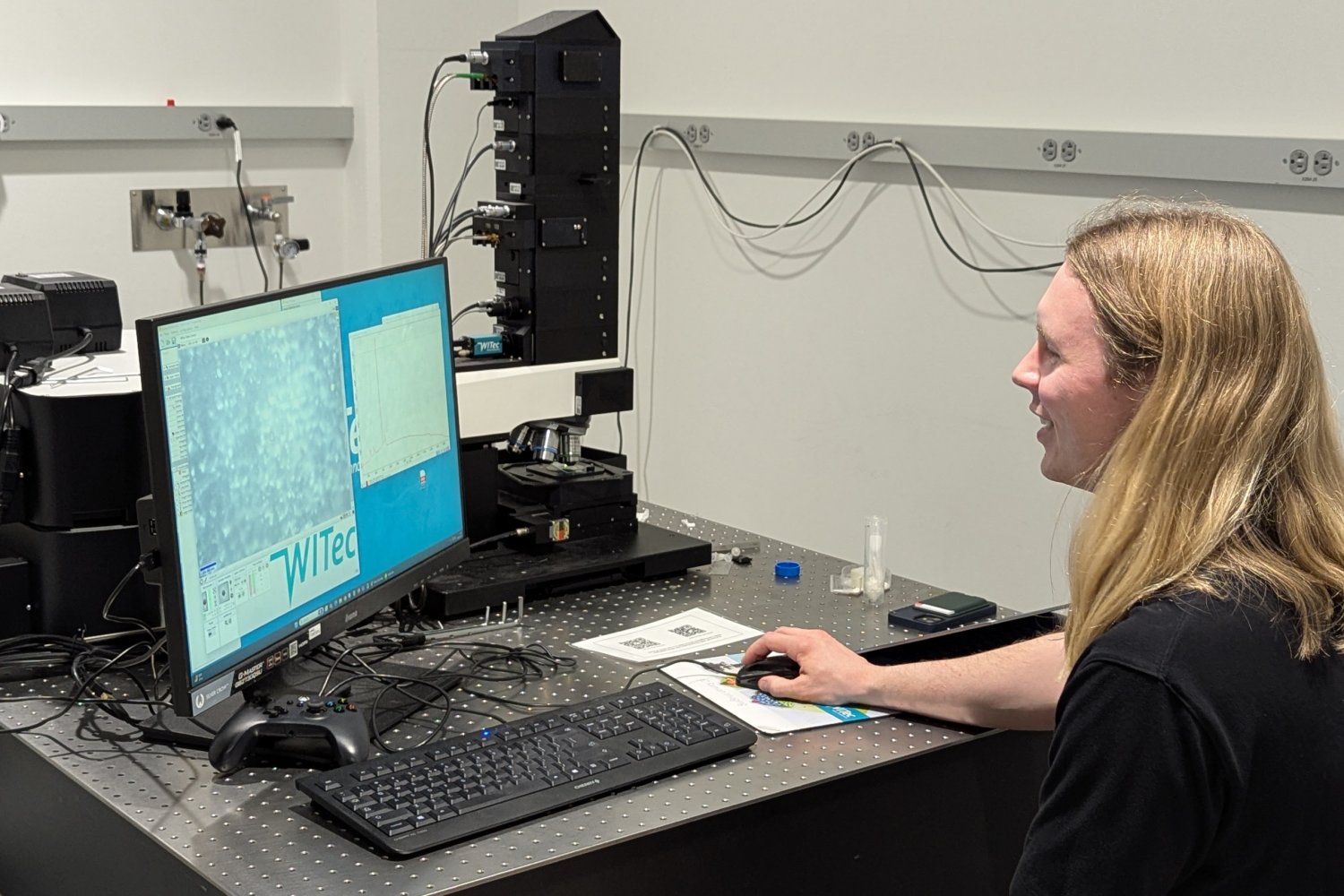
The START.nano program provides early-stage startups with cleanroom access to bridge the 'valley of death,' shortening time-to-market for new technologies.
Continue with
A New Wave of Hard-Tech Innovation
In the high-stakes world of deep-tech development, the bridge between laboratory proof-of-concept and commercial viability is often precarious. To address these systemic barriers, MIT.nano has officially welcomed 16 new companies into its START.nano program for 2025. This initiative serves as a critical catalyst, providing early-stage startups with the specialized infrastructure and institutional support necessary to accelerate the transition of complex technologies from the bench to the global market.
The START.nano program is designed specifically to mitigate the 'valley of death' often faced by hard-tech ventures—a phase characterized by high capital expenditures and long research cycles. By granting these startups discounted access to the world-class fabrication facilities at MIT.nano, the program allows founders to iterate on their hardware prototypes without the prohibitive costs typically associated with high-end cleanroom environments.
Bridging the Gap in Deep-Tech
Hard-tech, which encompasses advancements in semiconductors, advanced materials, quantum computing, and bio-engineering, requires a level of precision and instrumentation that is inaccessible to most bootstrapped startups. MIT.nano’s facilities offer these ventures a competitive edge, providing access to state-of-the-art tools for nanometer-scale characterization and fabrication.
Beyond mere equipment access, the program integrates these companies into the broader MIT innovation ecosystem. This environment facilitates crucial connections with industry mentors, potential investors, and academic researchers. For participants, the value proposition is clear: by lowering the barrier to entry for R&D, MIT.nano is effectively shortening the time-to-market for technologies that could define the next decade of industrial and computing standards.