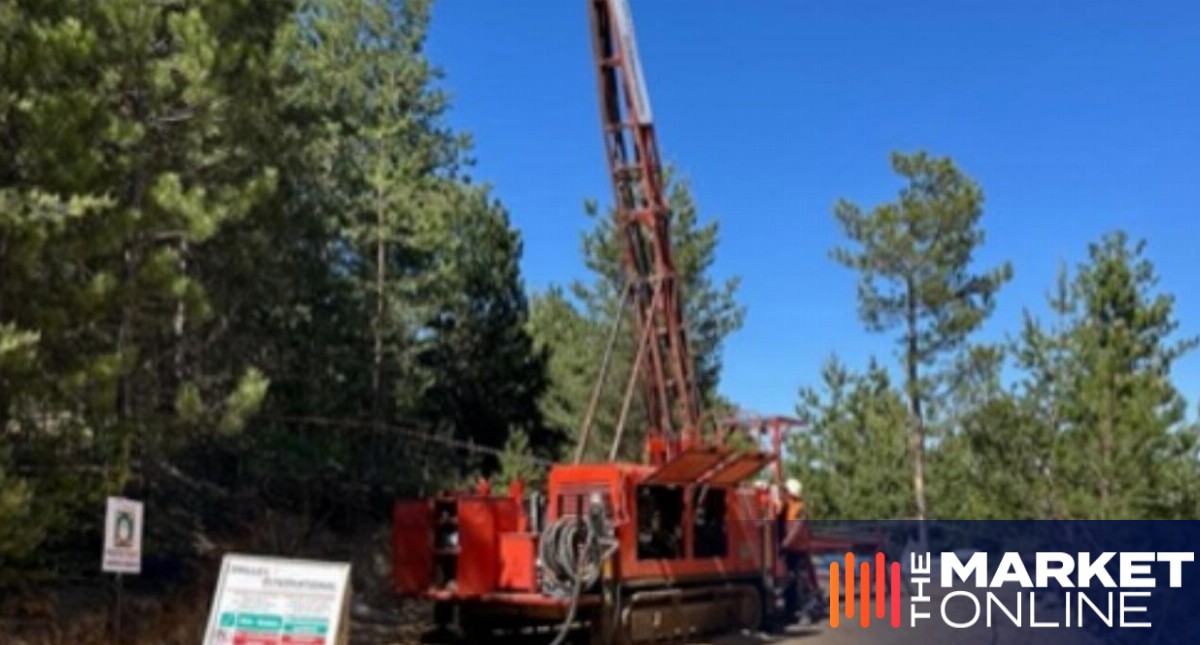
Minrex Resources (ASX:MRR) has kicked off drilling at the Barje deposit in southern Serbia, the first program at the asset in roughly seven years. The 7,000-metre infill campaign targets conversion of the existing inferred resource to the indicated category, a step that would underpin an updated economic study for the Tlamino gold project.
CEO Max Piirto called the start of drilling a pivotal moment. “We are beginning with infill drilling in the north-eastern region of Barje, where shallow, high-grade gold-silver mineralisation has already been intersected,” he said. “By tightening drill spacing across the deposit, the program is designed to lift confidence in the resource and support its conversion from the Inferred to the Indicated category.”
First Drilling at Barje in Seven Years: Catalyst Sequence
The simple read is that any drilling at a known high-grade deposit is positive. The better read requires understanding what the program must deliver to change the stock’s valuation. Barje hosts a near-surface inferred resource of 670,000 ounces of gold equivalent at 2.9 grams per tonne. Historical intercepts from the 2018–2019 program under the previous owner, Medgold Resources, showed consistent shallow grades. That continuity is the thesis, though it has not been tested in seven years.
A seven-year gap in drilling means the geological model relies on older data. The new program is the first conducted by Minrex itself. The company is fully funded for the 7,000 metres, removing financing risk for this phase. The market will need to see that the mineralisation holds at tighter drill spacing. If the grades match historical results, the resource can move up the confidence ladder. If they disappoint, the inferred resource may need reclassification downward.
The Conversion Target
Inferred resources carry the lowest confidence under the JORC code. Lifting them to indicated allows a scoping study to use more reliable inputs for mine planning and economics. Minrex has set a clear sequence: initial assays in the September quarter 2025, an updated mineral resource estimate (MRE) and a refreshed scoping study around year-end 2025. That timeline gives the market two concrete catalysts to track.
Technical Context: What the Barje Resource Actually Means
Barje is the cornerstone of the Tlamino project. The deposit is near-surface, which typically implies lower strip ratios and potentially lower operating costs. The current resource of 670,000 ounces at 2.9 g/t Au Eq is modest by global standards, yet material for a junior explorer with a market cap of A$33.21 million (MRR last traded at 1.5¢, down 3.23% on the day).
Historical Intercepts as a Benchmark
Previous drilling returned intercepts such as 12 metres at 5.1 g/t gold and 8 metres at 8.3 g/t gold from shallow depths. Those numbers set the bar. The new program is targeting the north-eastern contours of the deposit, where the historical drilling was sparser. Tightening the drill pattern from roughly 40-metre centres to 20-metre centres should improve confidence if the mineralisation is continuous.
Better Read: Grade Continuity vs. Grade Variability
A common mistake is to assume that shallow, high-grade intercepts automatically translate into a mineable resource. The better read is that grade continuity at the deposit scale is the real test. Narrow, high-grade veins can look attractive in drill core, yet they may not connect into a bulk-minable shape. The infill program will test whether the mineralisation is structurally controlled or disseminated. The market should watch for intervals that show consistent grade over width, not just isolated high-grade hits.
Confirmation and Invalidation Markers for the September Assays
Traders looking to position ahead of the September assays need a framework for what would confirm the setup and what would break it.
Confirmation Signals
- Assays that match or exceed historical grades at the north-eastern target zone.
- Intervals showing mineralisation over true widths of at least 5–10 metres.
- A resource upgrade that moves a meaningful portion of the 670,000 ounces from inferred to indicated.
- Positive scoping study economics with a clear path to development.
Invalidation Signals
- Grades significantly below the 2.9 g/t average, especially in the first batch of results.
- Narrow intercepts that suggest the mineralisation is discontinuous.
- Drilling delays or cost overruns that eat into the fully funded budget.
- A scoping study that shows uneconomic strip ratios or recoveries.
Next Catalyst: Assays and Updated MRE Timeline
The first assay results are due in the September quarter. That is the next hard catalyst. The market will react to the numbers, and the reaction may be binary: a beat or a miss relative to historical grades. The updated MRE and scoping study around year-end will provide a fuller picture of the project’s potential.
What the Market Is Pricing
At a market cap of A$33 million, MRR is pricing in some success at Barje, though not a full resource upgrade. If the program delivers a conversion to indicated resources and a positive scoping study, the stock could re-rate toward the valuations of comparable gold developers in the Balkans. If the results are mixed, the stock may drift lower as the catalyst window closes.
Execution Risk
The program is fully funded, so there is no immediate dilution risk. The seven-year gap means the drilling contractor and crew may be new to the deposit. Operational hiccups are possible. The company has not disclosed the exact number of holes planned, only the total metreage. Investors should track the rate of drilling and any announcements of early termination or extension.
For a broader view of commodity trends, see the commodities analysis section and the gold profile for context on how gold price movements affect junior explorers. The recent Iran missile strike tests gold's safe-haven premium article illustrates how geopolitical risk can shift the macro backdrop for gold stocks.
The Barje drilling program is a straightforward catalyst event with a defined timeline. The outcome will depend on geology, not market sentiment. That makes it a high-conviction watchlist item for traders who understand the difference between a drill program and a resource upgrade.