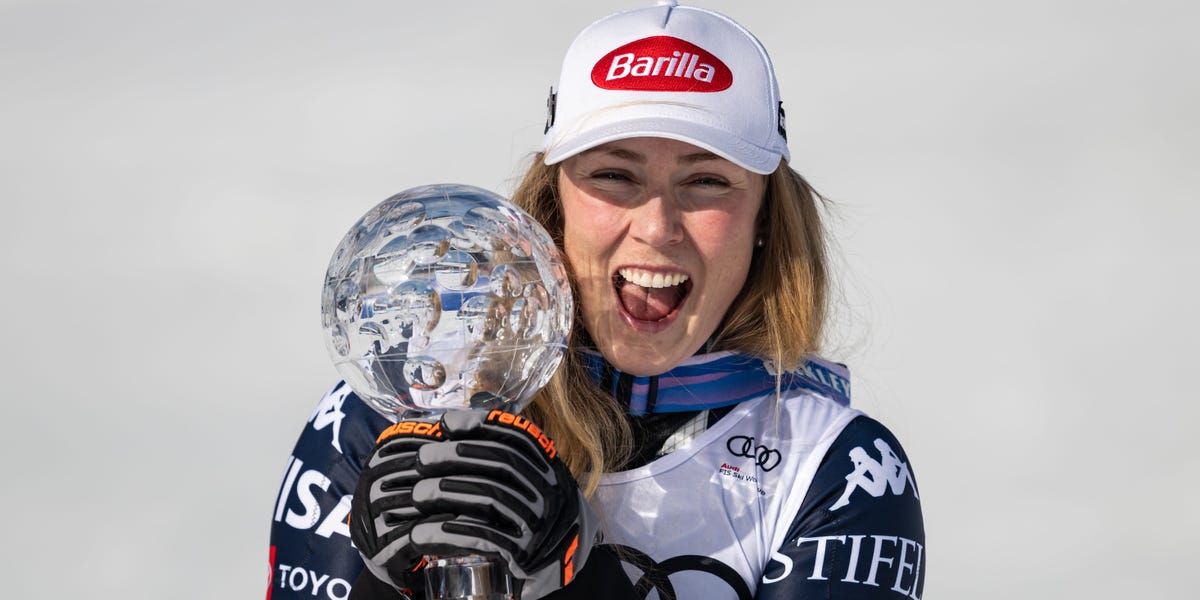
Mikaela Shiffrin discusses the impact of personal loss and injury on her career. Her journey offers a look at the resilience required for elite performance.
Alpha Score of 57 reflects moderate overall profile with moderate momentum, moderate value, moderate quality, moderate sentiment.
Alpine skiing icon Mikaela Shiffrin recently opened up about the intersection of professional excellence and profound personal loss. Her career, defined by record-breaking speed and technical precision, has faced significant disruption following the death of her father and a series of physical setbacks. For market observers and those tracking the business of elite athletics, Shiffrin represents a case study in high-stakes performance management where the primary variable is human capital volatility.
Shiffrin’s narrative highlights the fragility of top-tier performance when personal support structures are compromised. The loss of her father, a central figure in her development, forced a recalibration of her approach to the sport. In professional environments, such a loss often leads to a decline in output or a complete exit from the field. Shiffrin’s ability to return to the slopes after both emotional trauma and physical injury demonstrates a rare capacity to compartmentalize and rebuild. This resilience is not merely a personal trait but a functional requirement for maintaining a career at the absolute limit of physical possibility.
Beyond the individual athlete, the role of her mother in shaping her professional trajectory serves as a reminder of the importance of institutional continuity. In many high-performance sectors, the presence of a long-term mentor or partner provides the stability necessary to survive periods of extreme stress. Shiffrin credits her mother with providing the technical and emotional framework that allowed her to sustain such a long career. This dynamic illustrates how success in competitive fields is rarely a solo endeavor, but rather the result of a durable, integrated support system that can absorb shocks when the primary individual faces a crisis.
For those analyzing the trajectory of elite performers, the lesson is clear. Longevity is not just about talent or technical skill; it is about the ability to manage the inevitable cycles of burnout, injury, and grief. Shiffrin’s journey underscores that the most successful individuals are those who can adapt their internal operating systems to account for the absence of key pillars. While the public often focuses on the podium finishes, the real work happens in the quiet periods of recovery and adaptation. Understanding this process is essential for anyone evaluating the sustainability of high-performance careers, whether in sports, finance, or corporate leadership. The next decision point for any athlete of this caliber is the transition from pure performance to long-term legacy management, a phase that requires the same level of strategic planning as the pursuit of a world title. As she moves forward, the focus shifts to how she balances the demands of her sport with the personal growth necessitated by her past experiences.
AI-drafted from named sources and checked against AlphaScala publishing rules before release. Direct quotes must match source text, low-information tables are removed, and thinner or higher-risk stories can be held for manual review.