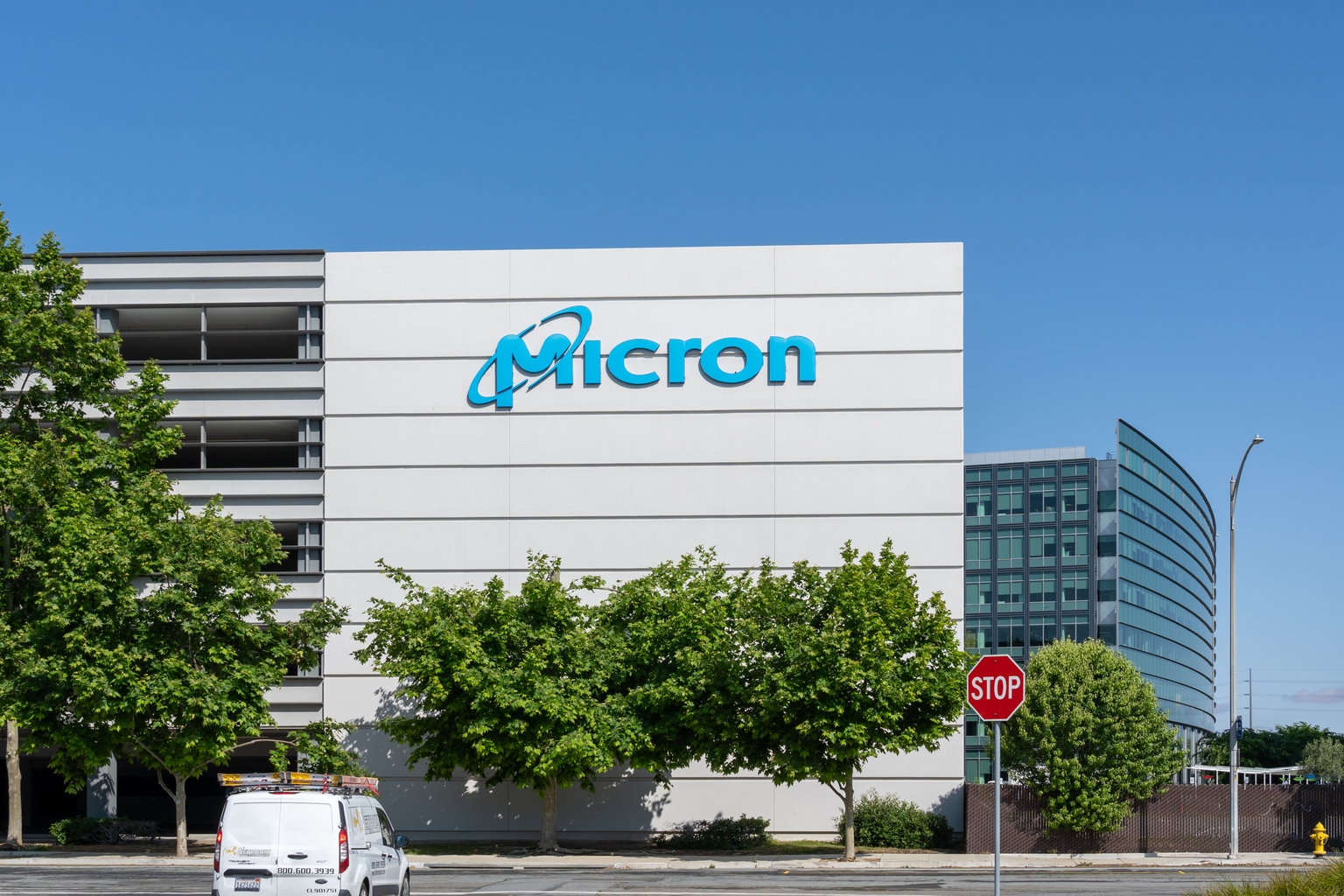
Micron Technology (MU) posted Q2 FY2026 revenue up 196% year over year and gross margins at 74.9%. On the surface, these numbers support the memory supercycle narrative – the idea that AI-driven demand for HBM and DDR5 will sustain pricing. The surface can mislead. That margin reflects a product mix weighted to high-value HBM3E and a temporary supply tightness. The open question is whether Micron is holding or losing share in the most profitable segment of the HBM market.
HBM is not a rising-tide market. It is a zero-sum qualification game. Customers like Nvidia qualify specific HBM products. A win for one supplier means an exclusion for the others. Micron's competitors – Samsung and SK Hynix – are both investing heavily to win those sockets. If Micron loses share in HBM allocation, the revenue growth that drove the 196% print would slow. Gross margins would compress. Pricing competition would intensify.
The 74.9% Margin and the Share Question
The supercycle argument rests on supply constraints. All three HBM suppliers have guided cautious DRAM and NAND capacity adds, a move that props up pricing. The problem is that market share in HBM is not about total memory demand. It is about share of a concentrated customer base. The high-growth AI tailwind is real. It is also concentrated in HBM3E and high-capacity DDR5. Legacy DRAM and NAND remain cyclical and face softening demand from smartphones and PCs.
Micron's NAND business is smaller but exposed to price declines. If NAND prices fall further, those losses could offset some HBM gains. The supercycle narrative treats memory as a monolith. It is not. Investors need to separate HBM trajectory from the rest of the portfolio.
Why the Supercycle View Misses the Structural Risk
Micron's next earnings release will include Q3 FY2026 revenue guidance. The consensus expects sequential growth. A guide that falls short – or signals that HBM volume growth is reaching a plateau – would validate the market share concern. The longer-term catalyst is HBM4 qualification expected to begin in late 2025. That process will determine which suppliers win the next generation of Nvidia sockets.
AlphaScala's Alpha Score rates MU at 79 out of 100, a Strong label in the Technology sector. That score captures trailing fundamentals: revenue growth, margins, cash flow. It does not incorporate the competitive shift underway in HBM. Investors using the score as a momentum signal should cross-reference with qualification data from customers like Nvidia.
If Micron holds share in HBM4, the supercycle narrative gains credibility. If it loses share, the stock re-rates lower. The allocation data from Nvidia will precede the earnings reports. That data, not the supercycle label, is the signal to watch.
Read more on MU at AlphaScala. For broader context on why chasing a single narrative can misdirect capital, see Why the Hunt for the Next Nvidia Misses the Real Trade.