Stocks● Neutral
Michigan woman's 'urge' leads to $2.2M lottery win
A 66-year-old Michigan woman won $2.2M after an impulse lottery ticket purchase. The lump-sum choice, tax implications, and odds behind the Millionaire for Life game.
Continue with
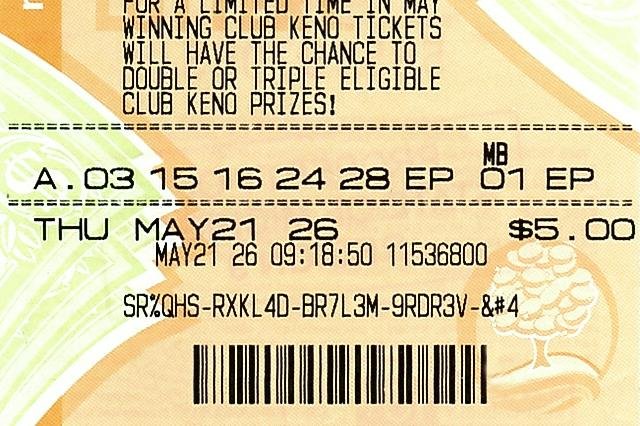
A 66-year-old woman from Charlevoix County, Michigan, turned a spontaneous decision into a $2.2 million payday. She told Michigan Lottery officials she "had an urge" to buy a ticket while out running errands, stopped at the Mancelona North EZ Mart on U.S. Highway 131, and picked up a Millionaire for Life ticket bearing the numbers 03-15-16-24-28.
The next day, she scanned the ticket at a store. The machine told her to contact the lottery office. She thought the scanner was broken. She checked the numbers on MichiganLottery.com from her car, saw that a winning ticket had been sold in Mancelona, and then realized she had matched all five numbers. "I yelled: 'I just won $2.2 million!' and did a happy dance in my car," she said.
The lump-sum choice
The game's top prize is $100,000 a year for life. The winner chose the one-time lump-sum payment of $2.2 million instead of the annuity. That decision is common among lottery winners who want immediate access to cash rather than a stream of payments tied to their lifespan. The trade-off: the lump sum is roughly half the advertised jackpot's present value after taxes and discounting.
What the money buys
The winner said she plans to use the prize to buy a new house, a car, and a boat. That's a concrete spending plan, not an investment strategy. For most lottery winners, the first year is the highest-risk period for wealth destruction. Studies from the National Endowment for Financial Education suggest that roughly 70% of lottery winners end up broke within a few years, often because of poor tax planning, family demands, or spending that outpaces the lump sum.