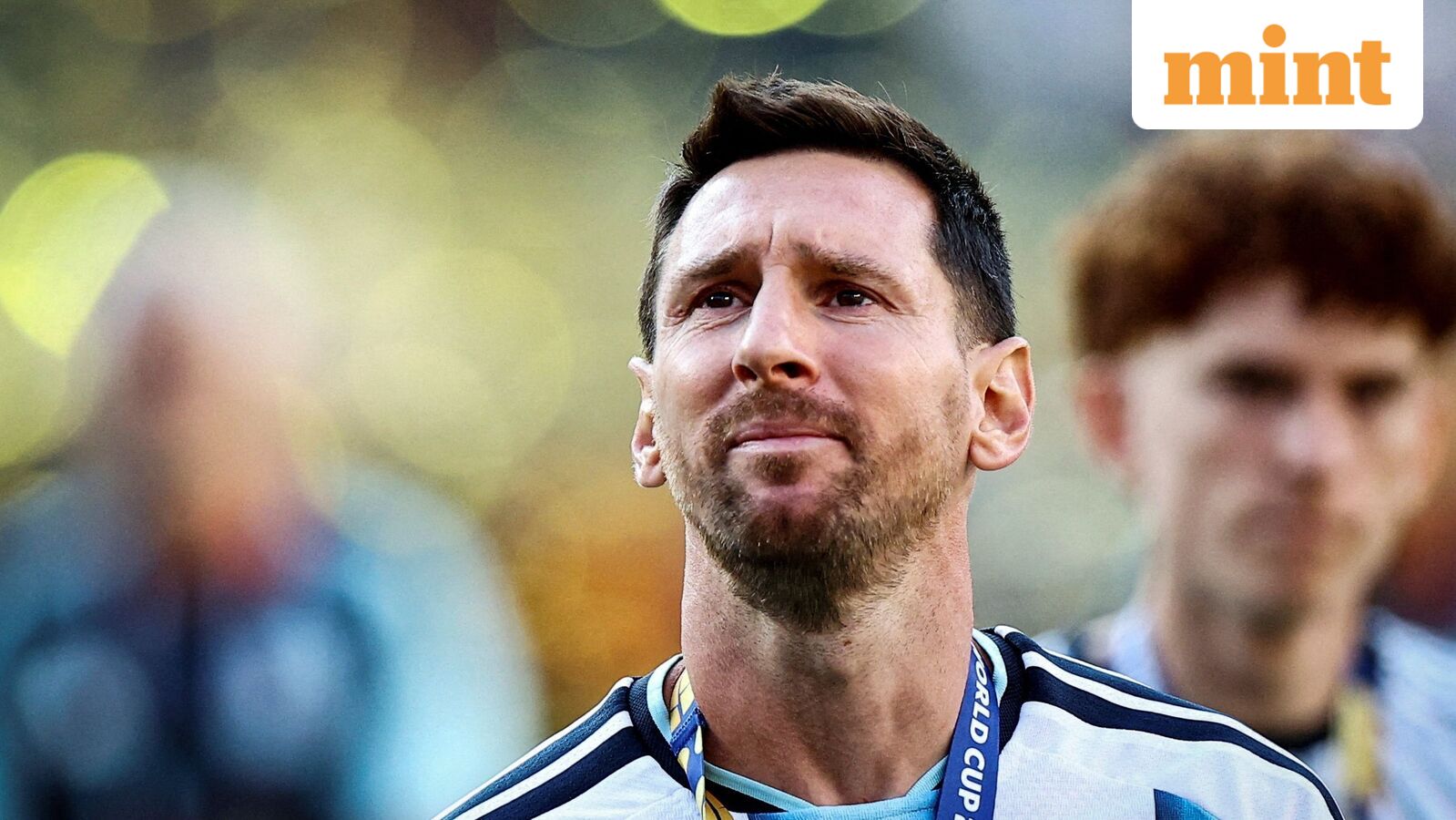
The 2026 FIFA World Cup saw a wave of threats against players, referees, and officials. The most serious: an alleged plot to kill Lionel Messi.
A leaked police dossier, reported Friday by Informacion.es, details the security breakdown. One man called Dallas airport ahead of Argentina's match against Jordan. He claimed he and two others were en route to the stadium carrying "homemade bombs and an AR-15." He made "special mention of Lionel Messi." The FBI coordinated with the International Police Cooperation Center, a joint security hub involving U.S. federal agencies and law enforcement from participating countries.
A separate threat came before Argentina's July 7 match against Egypt. A user on X wrote, "I'm about to enter Atlanta's stadium and blow up Messi with four bombs strapped to my body." Another man called police and said he had left "three bombs" in trash cans inside the stadium, triggering a search by explosives specialists and K-9 teams during and after the game.
Cristiano Ronaldo received the most harassment across the tournament. A FIFA employee reported a "suspicious man" asking for details about Ronaldo's accommodations on June 14. Houston police arrested the man two days later at the hotel where Ronaldo was staying with his team. Similar incidents followed in Canada and Miami. During the Portugal-Croatia match, a spectator wearing a Ronaldo shirt ran onto the pitch.
Other players also faced death threats. Norwegian striker Alexander Sorloth and his wife were targeted after he missed a goal-scoring opportunity. Colombian Jaminton Campaz was threatened for missing a penalty and reportedly was not allowed to return home with his teammates. French defender Lucas Digne received harassment after conceding a penalty against Lamine Yamal in the France-Spain match.
Referees were not spared. Frenchman François Letexier received more than six thousand threatening messages on his personal WhatsApp, mostly from Egyptian nationals, after Argentina beat Egypt in a controversial match he officiated.
The dossier highlighted the range of security threats during the tournament. Kylian Mbappé faced "Xenophobic" insults after an altercation with the Paraguayan goalkeeper, followed by a doll bearing his image being burned and rebroadcast on social media.
The plots against Messi represent the most acute security risk of the event. The man who called Dallas airport said he planned to target "police officers and players from both teams." No arrests related to the bomb threats have been publicly reported. The FBI and local police conducted searches but found no explosives.
Security agencies had worked throughout the competition, tracking terrorism alerts, unruly fans, and threats against players. The coordinated response through the IPCC shows the scale of the operation. The incidents underscore how geopolitical tensions and fan extremism can spill into major sporting events.
For tournament organizers, the liability question remains open. A successful attack would have triggered massive fallout for sponsors, broadcasters, and host cities. The threats themselves already forced security protocols into higher gear. The question is whether future World Cups will require militarized security perimeters around every player, or whether the current posture is sufficient.