Commodities● Neutral
MERA Oil Consortium Narrows Site Search for $5 Billion Gulf Refinery
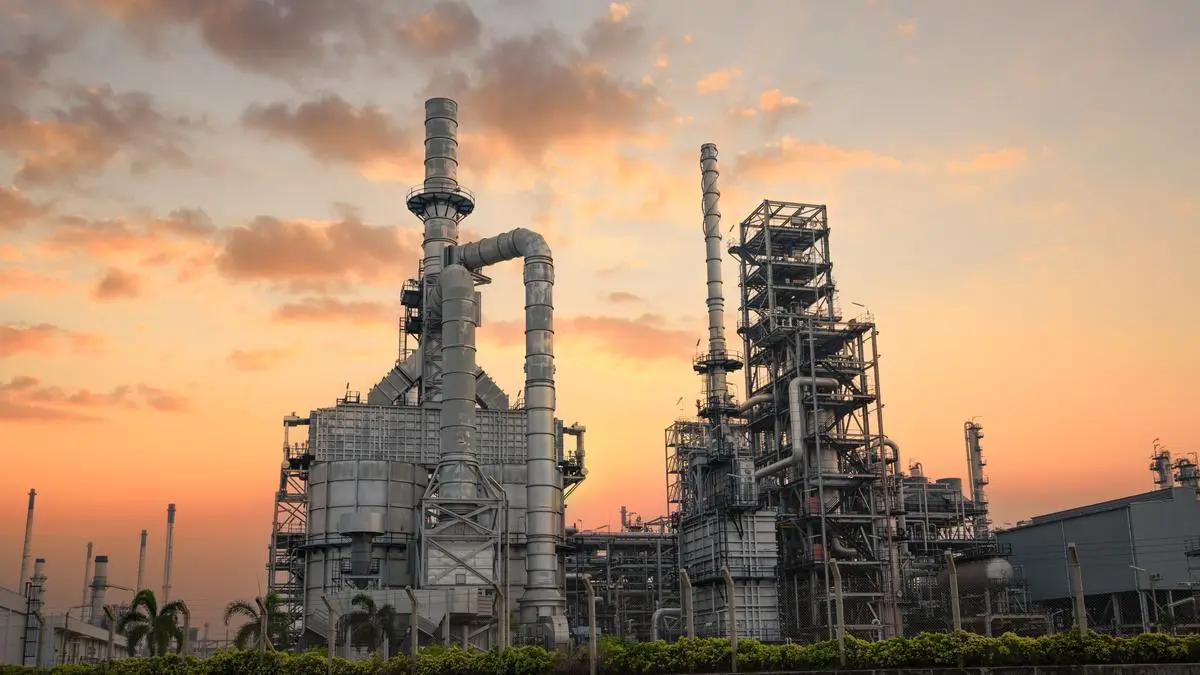
The consortium has narrowed site selection to three GCC locations for the 200,000 bpd refinery. The facility outside the Strait of Hormuz will link to deepwater ports and export terminals. Host decision due by end of 2026.
Continue with
The MERA Oil consortium of U.S. and Saudi Arabian companies is moving into the final stage of site selection for a $5 billion integrated refinery and export complex in the Gulf, the partners said Wednesday. The project is designed to strengthen regional energy infrastructure as the Iran war continues to disrupt crude flows through the Strait of Hormuz.
Texas-based MWG Group, the Patel Family Office and PWS, an associate company of Saudi industrial conglomerate AHQ Group, have narrowed the search to three locations inside the six-nation Gulf Cooperation Council. A preferred host is expected to be confirmed by the end of 2026, the companies said, without naming specific sites. The refinery will have capacity of 200,000 barrels per day.
The integrated facility will be linked to deepwater port infrastructure, large-scale storage for crude and refined products, and marine export terminals. MERA Oil said the planned project sits outside the Strait of Hormuz, giving it direct access to international shipping routes without passing through the chokepoint that has become a flashpoint in the conflict. The location would allow the consortium to bypass Hormuz entirely for crude and product exports, a critical advantage given the disruption to tanker traffic in the region.