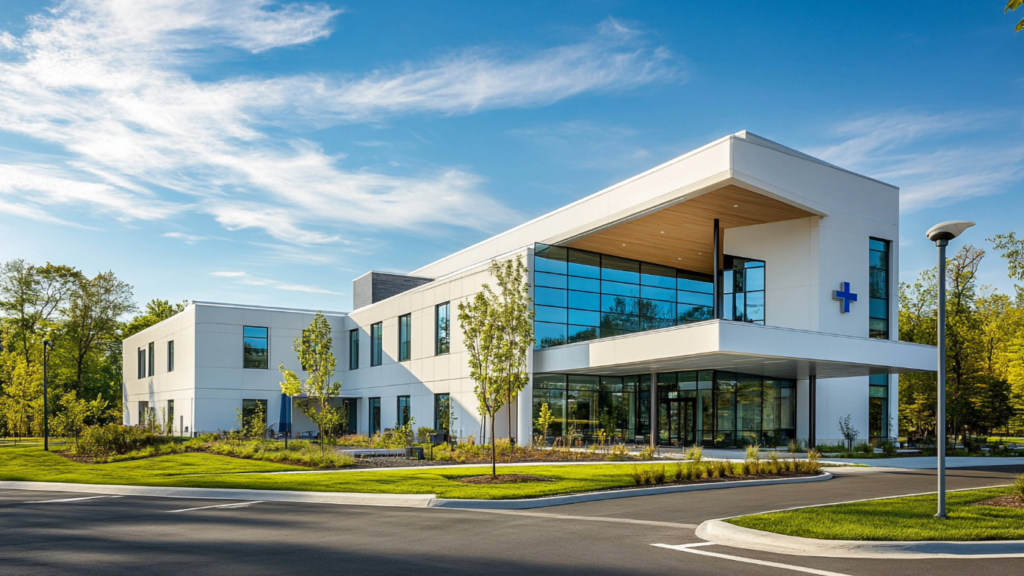
The medical office building sector is currently navigating a transition period defined by shifting healthcare delivery models and a restrictive capital environment. While the asset class has historically maintained stability due to the essential nature of medical services, recent data indicates that vacancy rates and rent growth are no longer immune to broader commercial real estate pressures. The fundamental demand for proximity to patients remains, yet the cost of financing and the requirement for specialized facility upgrades are forcing a reevaluation of portfolio strategies.
Structural Shifts in Healthcare Delivery
Healthcare providers are increasingly moving services out of traditional hospital campuses and into outpatient settings. This decentralization creates demand for medical office space that can accommodate advanced diagnostic equipment and surgical suites. However, the capital expenditure required to retrofit standard office space into high-acuity medical facilities is rising. Owners are finding that the ability to secure long-term leases now depends on their willingness to participate in significant tenant improvement costs. This dynamic shifts the risk profile for landlords, as the initial investment hurdle becomes steeper in a high-interest rate environment.
Capital Constraints and Valuation Pressures
The availability of debt for medical office acquisitions has tightened, leading to a noticeable gap between buyer and seller expectations. Transaction volume has slowed as the cost of capital outweighs the yield compression that previously characterized the sector. Investors are prioritizing properties with high credit-rated tenants and long-term lease structures to mitigate the risks associated with refinancing maturing debt. The following factors are currently dictating the pace of market activity:
- Increased focus on lease renewals to maintain occupancy levels.
- Heightened scrutiny of operating expenses as inflation impacts facility maintenance costs.
- A shift toward smaller, more efficient footprints as providers optimize space utilization.
AlphaScala data reflects the broader uncertainty within the healthcare-adjacent space. Agilent Technologies, Inc. currently holds an Alpha Score of 55/100, reflecting a moderate outlook as the company navigates its own sector-specific headwinds. Investors tracking these trends should look at A stock page for further updates on how healthcare capital allocation is evolving. The sector remains a critical component of stock market analysis as it bridges the gap between traditional commercial real estate and specialized infrastructure.
The Path Toward Stabilization
The next concrete marker for the medical office market will be the upcoming cycle of lease expirations and the subsequent refinancing activity for properties acquired during the low-interest-rate era. As these loans come due, the market will gain clarity on whether current rental rates are sufficient to support the underlying debt service. Investors should monitor upcoming quarterly reports from major healthcare REITs for commentary on tenant retention rates and the impact of rising construction costs on new development pipelines. These data points will serve as the primary indicators for whether the sector can maintain its premium valuation relative to traditional office space.