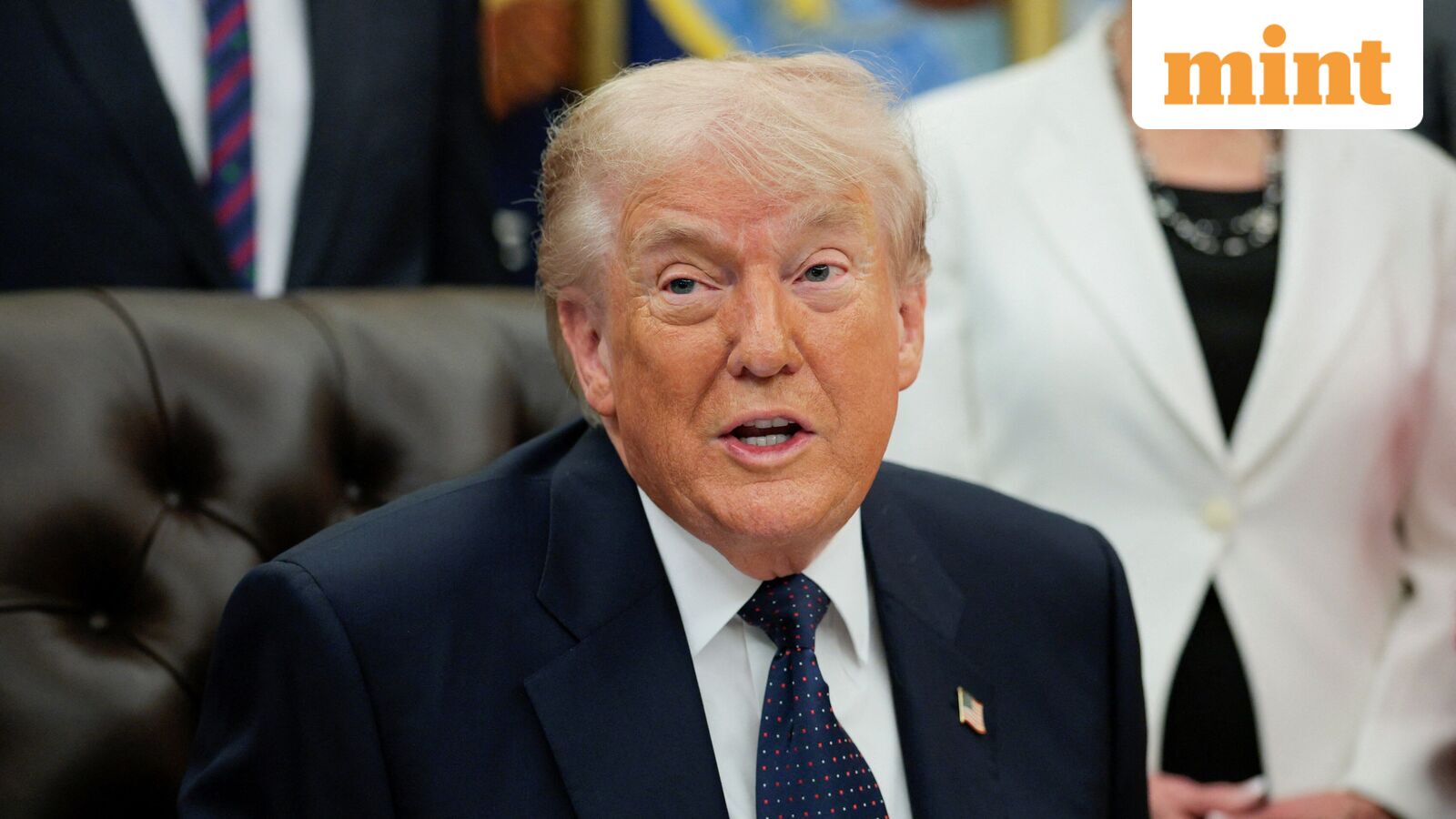
The passing of Ted Turner at age 87 marks the end of an era for the 24-hour news cycle he pioneered in 1980, but the immediate market focus shifts to the structural future of his most famous creation, CNN. While Donald Trump paid tribute to Turner on Truth Social as one of the greats of broadcast history, his commentary simultaneously highlighted the precarious position of CNN within the broader Warner Bros. Discovery portfolio. The network, which Turner founded and later sold, has become a focal point for political and corporate scrutiny as it faces a potential shift in control.
The Structural Pivot at Warner Bros. Discovery
The current narrative surrounding CNN is defined by the pending hostile takeover involving Paramount Skydance, an entity led by David Ellison, the son of billionaire Larry Ellison. This transaction, currently awaiting regulatory approval, represents a significant consolidation of media assets. The merged entity is slated to house a massive portfolio, including CBS, HBO, Nickelodeon, and major intellectual property franchises such as Harry Potter, Game of Thrones, and the DC Universe. For investors, the risk lies in the integration of these disparate assets and the potential for a strategic pivot in how CNN is managed under new ownership. The market is weighing whether a change in control will lead to a shift in the network's editorial direction, which Trump described as having become woke, or if the focus will remain on stabilizing the core business.
Valuation and Operational Hurdles
Media conglomerates are currently navigating a difficult transition as traditional cable revenue streams face secular decline. The valuation of assets like CNN is tied to their ability to maintain relevance in a fragmented digital landscape. While Turner's legacy is built on the disruption of the traditional news cycle, the current challenge for Warner Bros. Discovery and its potential successors is to monetize that legacy without alienating the core viewership or inviting further regulatory friction. The hostile nature of the takeover bid introduces execution risk that goes beyond simple balance sheet management. Investors must consider how the integration of legacy media brands like CBS with the existing Warner Bros. Discovery portfolio will impact cash flow and debt servicing capabilities.
Sector Read-Through and Regulatory Exposure
The regulatory environment for media mergers remains a critical bottleneck. Any deal involving the combination of major news networks and entertainment studios faces intense scrutiny regarding market concentration and public interest mandates. If the proposed merger between Paramount Skydance and Warner Bros. Discovery faces delays or conditions, the volatility in the underlying stocks could intensify. The market is currently pricing in a degree of uncertainty regarding the final structure of the deal, and any signal from regulators that the merger is being viewed with skepticism could lead to a repricing of the involved equities.
The Legacy of the 24-Hour News Cycle
Ted Turner's contribution to the media landscape was the creation of a continuous news stream that fundamentally changed how information is consumed. However, the business model that sustained this innovation is under pressure. As the industry moves toward subscription-based streaming and away from traditional cable bundles, the value proposition of a 24-hour news network is being re-evaluated. The transition from Turner's era of rapid expansion to the current era of consolidation reflects a broader trend in the financial services and media sectors where scale is often pursued as a defensive measure against declining margins. Investors looking at the broader stock market analysis should note that the volatility surrounding these media giants is often disconnected from the underlying performance of the assets themselves, driven instead by the mechanics of the deal flow.
Assessing the Risk of Political Volatility
Trump's public commentary on the future of CNN serves as a reminder that media companies are increasingly exposed to political risk. When a major political figure explicitly ties the credibility of a news organization to its ownership structure, it introduces a layer of reputational risk that is difficult to quantify. For institutional holders, this creates a situation where the success of a corporate merger might be contingent upon the perceived political alignment of the new owners. This is not merely a matter of brand perception; it affects advertising revenue, talent retention, and the ability to navigate future regulatory hurdles. The market must now determine if the potential for a change in ownership will truly restore the network's credibility or if the political friction will continue to weigh on the valuation of the parent company. While the passing of a titan like Turner is a moment of reflection, the cold reality for the market is the ongoing restructuring of his empire. The outcome of the Paramount Skydance bid will likely set the tone for media valuations in the coming quarters. Investors should monitor the regulatory timeline closely, as any deviation from the expected path could trigger a sharp reaction across the media sector. The focus remains on whether the new ownership can effectively integrate these assets or if the complexity of the merger will lead to further operational stagnation.