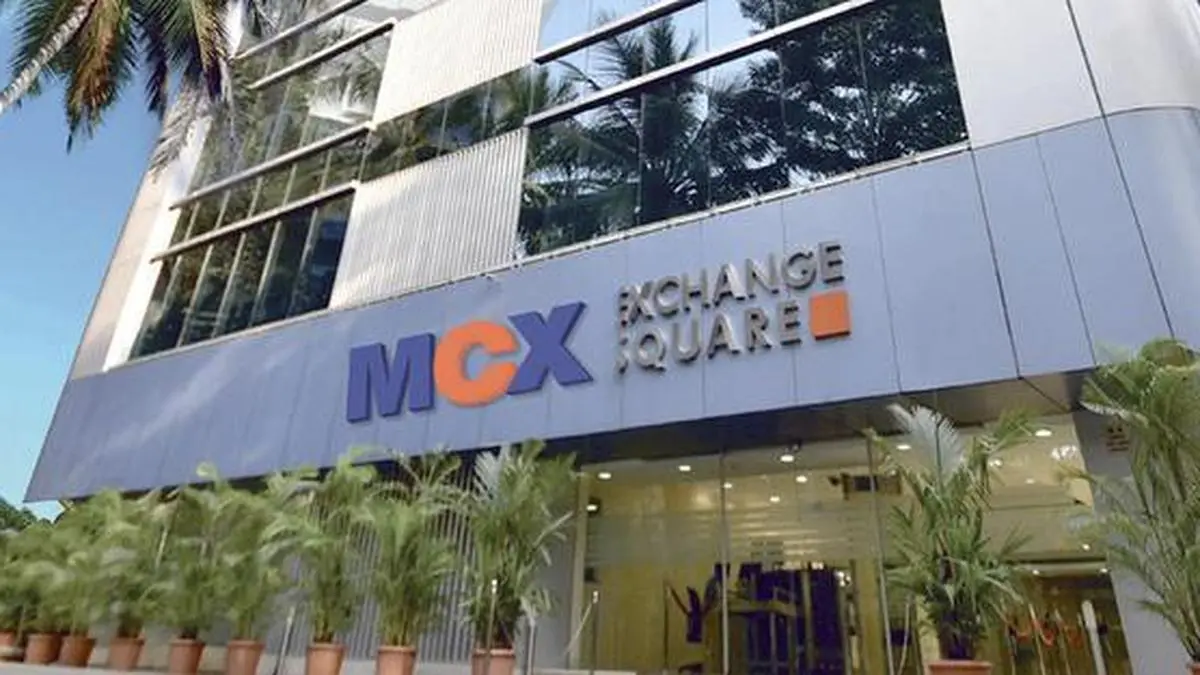
The Multi Commodity Exchange of India has received formal approval from the Securities and Exchange Board of India to proceed with its investment in a dedicated coal exchange. This regulatory clearance allows the exchange to move beyond its traditional commodity offerings and establish a specialized venue for coal trading. By creating a centralized platform, the exchange aims to shift coal procurement away from fragmented bilateral contracts toward a transparent, price-discovery model.
Strategic Expansion into Energy Commodities
The move represents a significant shift in the exchange's operational focus. Coal remains a primary energy source for industrial production and power generation, yet it has historically lacked the standardized trading infrastructure found in more liquid commodity markets. By formalizing this marketplace, the exchange is positioning itself to capture volume from industrial consumers and suppliers who require more predictable pricing mechanisms. This expansion aligns with broader efforts to modernize energy procurement through digital trading environments.
Impact on Industrial Procurement and Price Discovery
The introduction of a coal exchange is expected to alter how industrial players manage their fuel supply chains. Current procurement methods often rely on private negotiations, which can obscure true market value and limit liquidity. A centralized exchange provides a venue for standardized contracts, potentially reducing the risk of price volatility for major consumers. This transition toward exchange-traded energy products mirrors the evolution seen in other sectors where stock market analysis has highlighted the shift toward electronic, transparent order books.
AlphaScala Data and Market Context
While the exchange focuses on energy infrastructure, investors often monitor broader industrial health to gauge the viability of such platforms. For context, other large-cap entities in the healthcare and technology sectors, such as Agilent Technologies, maintain distinct risk profiles. Agilent Technologies, Inc. currently holds an AlphaScore of 55/100, reflecting a moderate outlook within the healthcare sector as detailed on its A stock page. The success of the coal exchange will likely depend on the participation rate of major industrial power producers and the ability of the platform to offer competitive clearing services.
The Path to Operational Launch
The next concrete marker for this initiative is the formal incorporation of the coal exchange entity and the subsequent rollout of its trading software. Market participants will monitor the initial contract specifications and the participation requirements for industrial buyers. The exchange must now demonstrate that it can attract sufficient liquidity to move the market away from legacy procurement channels. Further updates regarding the clearinghouse structure and the timeline for the first live trade will serve as the primary indicators of the platform's adoption potential.