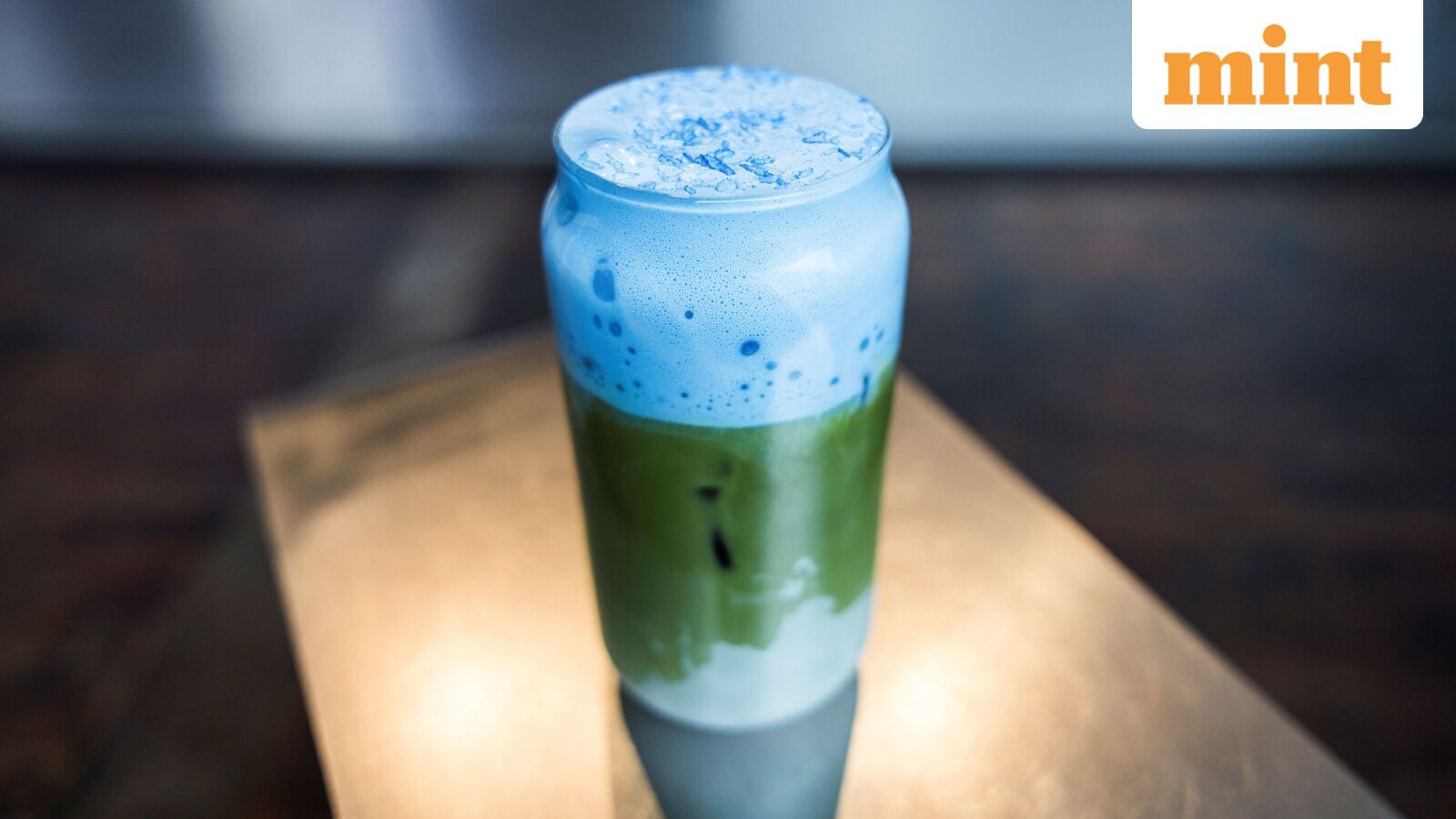
India's café chains are adding matcha lattes and bubble teas to their menus at a fast clip. The imported ingredients that power those premium drinks are getting more expensive. Global matcha prices have climbed 30-75% over the past year, industry executives said. Coffee and whey are up about 20%. Most operators are absorbing the higher costs rather than raise prices, a choice that is squeezing gross margins.
Consumers have shown little resistance to paying ₹250-450 for a matcha latte or Vietnamese coffee, compared with ₹100-200 for regular iced tea. That resilience has pushed everyone from Starbucks to homegrown Boba Bhai to rapidly expand premium portfolios. Starbucks, which carries an Alpha Score of 47 out of 100 in AlphaScala's proprietary rating, is among the chains expanding its premium beverage portfolio in India. India's bubble tea market is estimated at about ₹3,800 crore and expected to grow 8.3% annually through 2030. The speciality tea market has more than tripled to about ₹1,000 crore over five years, according to industry estimates.
The sharpest squeeze is in matcha. Global wholesale prices have climbed 30-75% over the past year. Demand has outpaced supply from Japan, industry executives said. Importers are paying up to 75% more for premium ceremonial-grade matcha. Lower grades are up 30-50% after poor harvests and labour shortages. Coffee and whey prices have risen around 20%. Imported hojicha and yuzu have also become more expensive with supply-chain constraints and a weaker rupee.
Dhruv Kohli, founder and CEO of Boba Bhai, said input costs on imported ingredients have risen roughly 5-10% over the past year, with matcha seeing the steepest jump. The chain, which operates about 100 outlets, has absorbed higher costs through sourcing improvements and operational efficiencies rather than raise prices. Gross margins on drinks made with imported ingredients have compressed by about two percentage points, Kohli said. "We've not taken price increases. We believe this is a temporary blip and will stabilize over time." Standard matcha beverages at Boba Bhai continue to start at about ₹199, unchanged from a year ago.
Coffee Island is relying on procurement efficiencies and recipe engineering to offset inflation in imported speciality ingredients while holding prices steady, said Samit Khanna, co-founder of Vita Nova gourmet, which runs Coffee Island. Abhijeet Anand, founder of abcoffee, said his chain avoided the recent spike by purchasing ceremonial-grade matcha nearly six months in advance. Smaller brands that buy more frequently are likely to feel the impact sooner, he said.
Ceremonial-grade matcha can cost ₹15,000-20,000 per kg, compared with ₹6,000-10,000 for good-quality culinary or latte-grade matcha. Smaller brands generally pass on these increases to consumers because they don't have the appetite for price absorption, Anand said. Larger chains can delay the impact through scale or absorb some of it.
As imported ingredients become more expensive, café operators are looking to reduce dependence on overseas suppliers. Boba Bhai is evaluating Indian-grown matcha and working with domestic tea estates to develop hojicha alternatives, Kohli said. India does not yet produce matcha commercially, though a handful of tea estates in Darjeeling and the Nilgiris are experimenting with shade-grown Japanese cultivars. Yuzu remains almost entirely import-dependent because it is not commercially cultivated in India.
Rajat Tuli, partner and Asia-Pacific co-lead at Kearney, said premium beverages deliver stronger gross margins than food while expanding customer occasions. Cold beverages have grown 60% faster than hot drinks, driven by innovation and changing consumer preferences. Food, however, remains important, contributing more than 40% of revenue for many cafés.
At Boba Bhai, beverages contribute about 45% of overall revenue. Premium drinks have helped lift average order values to around ₹400 online and ₹330 in stores, Kohli said.