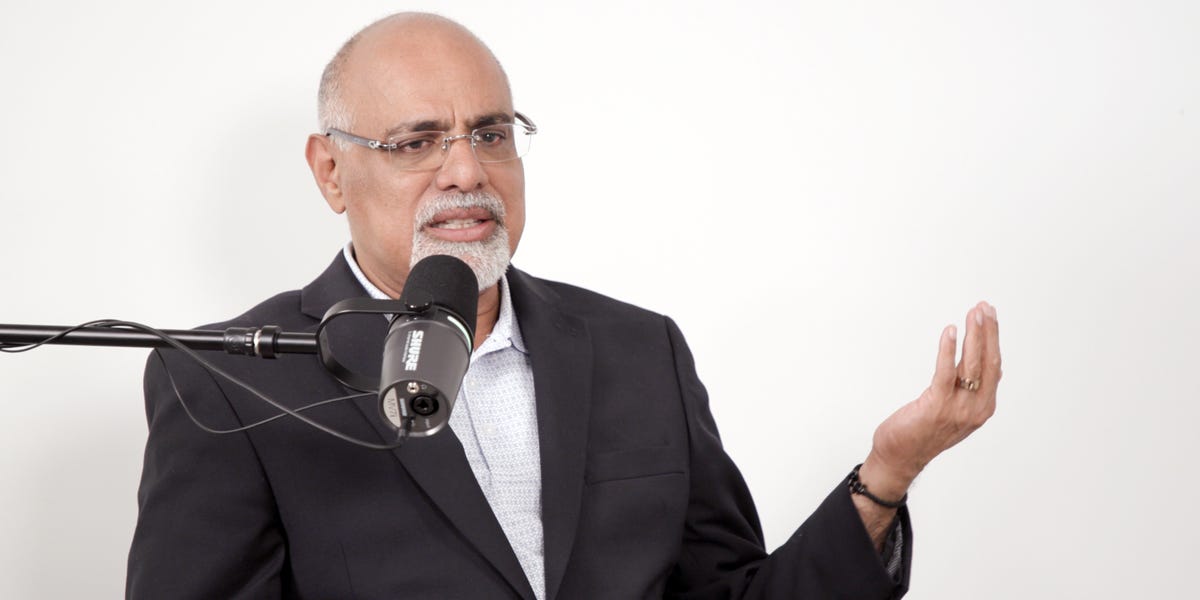
Raja Rajamannar, the former Mastercard chief marketing officer now serving as the company's senior fellow, told Business Insider's CMO Insider podcast that advertising as the industry knows it is finished. His reasoning: consumers have learned to ignore interruptive messages. Buying reach and frequency no longer works.
Rajamannar spent nearly a decade steering Mastercard away from traditional taglines. He built the "Priceless" platform into an ecosystem of experiences, content, and sponsorships – not 30-second spots. In the podcast, he called that shift "meaningful differentiation."
The claim lands hard on ad holding companies still selling TV-plus-digital CPM bundles. Omnicom and Publicis have already restructured around data and commerce. Rajamannar's take suggests those moves are survival, not optional upgrades. Ad-tech vendors dependent on display inventory face the same squeeze. Even premium digital platforms – YouTube, TikTok – carry brand-safety risks and ad-skipping behavior that erode trust.
The absolute headline misses a nuance. Rajamannar is not saying brand building is dead. He is saying the delivery mechanism has to change. He points to owned channels: Mastercard's own content, its event series, its sponsorship assets. That puts pressure on agencies to prove they can create content that works without paid distribution at scale.
Mastercard itself carries an Alpha Score of 64 out of 100, a Moderate rating from AlphaScala. The score reflects solid positioning in payments but limited near-term catalyst strength. If Rajamannar's thesis spreads, the biggest losers may not be the brands themselves. They are the middlemen still charging for reach. The path forward, Rajamannar suggested, is about earning attention, not buying it.