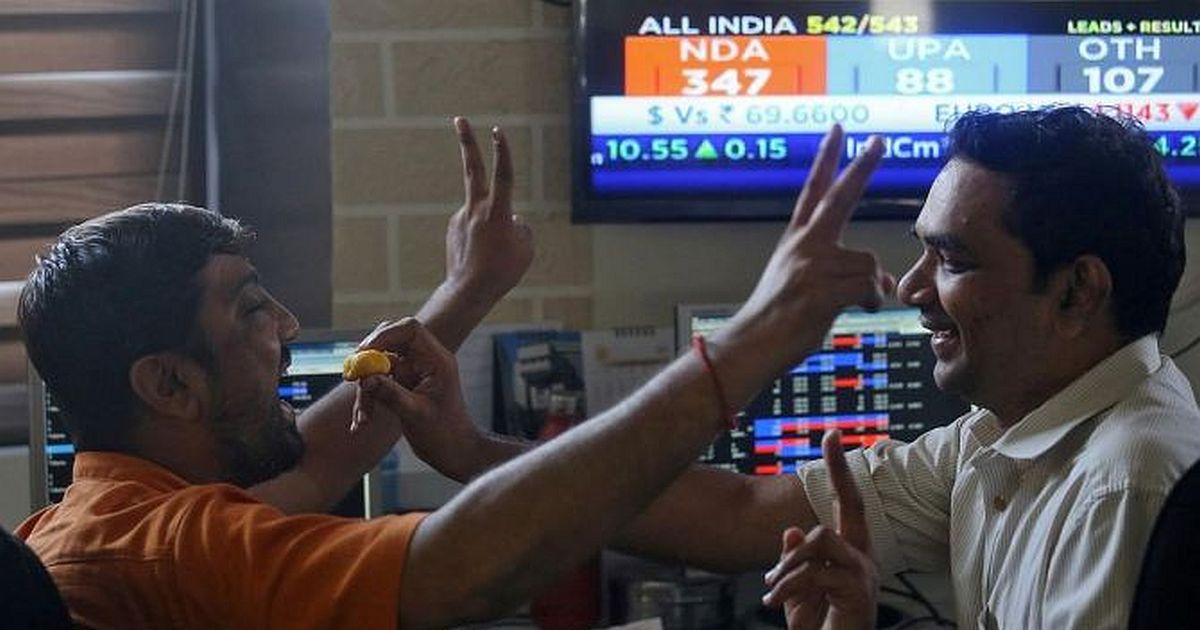
Indian benchmark indices opened the week with a sharp rally as the BSE Sensex climbed 657.80 points to 77,571.30 and the NSE Nifty added 213.35 points to reach 24,215.10. The move reflects a broader recovery in sentiment, supported by cooling energy costs and a strong performance from the automotive sector. While regional political developments are generating noise, the primary mechanism driving the current price action remains the interplay between global commodity benchmarks and institutional liquidity flows.
Maruti Suzuki Catalyst and Sectoral Read-through
Maruti Suzuki acted as the primary engine for the morning session, surging 4% following the release of its April sales data. The company reported record total sales of 239,646 units, representing a 33.29% year-on-year increase. This volume growth is particularly significant for the broader consumer discretionary and manufacturing sectors, as it suggests that domestic demand remains resilient despite recent inflationary pressures. The performance of the small car segment, which showed robust growth, serves as a proxy for middle-class consumption patterns in the Indian market.
Other major gainers included Hindustan Unilever, Larsen & Toubro, Adani Ports, Asian Paints, and Mahindra & Mahindra. The inclusion of Hindustan Unilever in this list is notable for UL stock page followers, as it underscores a rotation back into defensive staples during periods of market volatility. With an Alpha Score of 57/100, the stock remains a moderate participant in the current rally, reflecting the cautious positioning of institutional investors who are balancing growth exposure with defensive weightings.
Crude Oil Mechanism and Geopolitical Risk
Beyond individual stock performance, the market is reacting to a shift in the energy risk premium. Brent crude traded 0.27% lower at $107.9 per barrel, a move directly linked to easing tensions in West Asia. The decline follows statements from the US regarding the protection of shipping lanes through the Strait of Hormuz, alongside diplomatic overtures involving Iran and Pakistan. For the Indian indices, which are highly sensitive to oil import costs, this price compression acts as a direct tailwind for corporate margins and currency stability.
VK Vijayakumar, Chief Investment Strategist at Geojit Investments Limited, noted that while state election results may create short-term sentimental volatility, the structural trend remains tethered to energy prices. "The real market trend will be guided by the crude oil prices, which, in turn, will be decided by the news and happenings in West Asia," Vijayakumar said. This suggests that traders should prioritize monitoring energy benchmarks over domestic political headlines when assessing the sustainability of the current move.
Institutional Positioning and Liquidity Dynamics
Market participants must reconcile the recent rally with the underlying flow data. On Thursday, Foreign Institutional Investors (FIIs) were net sellers, offloading equities worth Rs 8,047.86 crore. Conversely, Domestic Institutional Investors (DIIs) provided a counterweight, purchasing Rs 3,487.10 crore in equities. This divergence indicates that the current market strength is being sustained by local capital, while foreign participants remain in a defensive or liquidity-harvesting posture.
As the Nifty 50 and Sensex rally 1.6% on easing geopolitical tensions, the sustainability of this momentum will depend on whether DII buying can offset continued FII outflows. If oil prices remain suppressed, the resulting improvement in macroeconomic sentiment may eventually entice foreign capital back into the market. However, until that shift occurs, the index remains vulnerable to sudden reversals if crude prices spike or if institutional selling accelerates beyond current levels. Traders should watch the 24,200 level on the Nifty as a potential support zone for the current trend.