Back to Markets
Commodities● Neutral

Mars and ofi Formalize Five-Year Strategic Alliance to Decarbonize Ecuadorian Cocoa

Mars and ofi Formalize Five-Year Strategic Alliance to Decarbonize Ecuadorian Cocoa
ONANETB

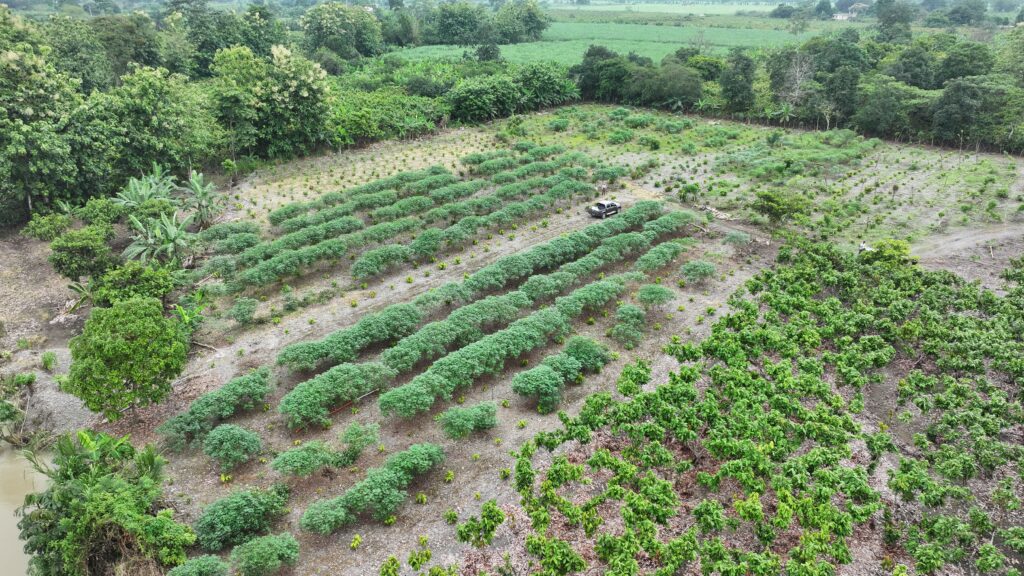
Mars and ofi have entered a five-year strategic partnership to implement regenerative agriculture and decarbonize cocoa production in Ecuador, building on a decade of regional cooperation.

AlphaScala Research Snapshot
Live stock context for companies directly referenced in this story
Alpha Score
45
Weak

Alpha Score of 45 reflects weak overall profile with strong momentum, poor value, poor quality, weak sentiment.

Alpha Score
55
Moderate

Alpha Score of 55 reflects moderate overall profile with moderate momentum, moderate value, moderate quality. Based on 3 of 4 signals — score is capped at 90 until remaining data ingests.

Technology
Alpha Score
29
Poor

Alpha Score of 29 reflects poor overall profile with weak momentum, poor value, poor quality, moderate sentiment.

Basic Materials
Alpha Score
70
Moderate

Alpha Score of 70 reflects moderate overall profile with moderate momentum, moderate value, strong quality, moderate sentiment.

This panel uses AlphaScala-native stock data, separate from the source wire linked above.

Supply Chain Integration and Decarbonization

Mars, Incorporated and ofi have launched a five-year strategic collaboration aimed at accelerating the transition to Net Zero cocoa production in Ecuador. This partnership builds upon a fifteen-year history of joint sustainable sourcing and a decade of operational cooperation within the Ecuadorian market. The initiative focuses on scaling regenerative agricultural practices to reduce the carbon footprint of cocoa cultivation while maintaining supply chain stability.

By formalizing this long-term agreement, both entities seek to standardize sustainability metrics across their shared supplier base. The collaboration emphasizes the implementation of agroforestry systems and improved soil management techniques. These efforts are designed to mitigate the environmental impact of cocoa farming, which remains a primary focus for global food and beverage companies facing increasing pressure to report on Scope 3 emissions.

Production Stability and Market Access

Ecuador remains a critical origin for high-quality cocoa, and this partnership serves as a mechanism to secure consistent output amidst shifting climate patterns. The five-year duration provides a predictable framework for farmers to adopt new technologies and land-use practices. By integrating ofi’s sourcing network with Mars’s sustainability infrastructure, the companies aim to streamline the transition to low-carbon production without disrupting current supply volumes.

This alliance addresses several operational challenges in the cocoa sector:

  • Deployment of regenerative farming techniques to improve long-term crop resilience.
  • Standardization of carbon tracking and reporting across the Ecuadorian supply chain.
  • Expansion of technical support for smallholder farmers to ensure compliance with emerging sustainability regulations.

AlphaScala Market Context

While the technology and healthcare sectors often dominate market headlines, the integration of sustainability into commodity supply chains represents a significant shift in capital allocation for global food conglomerates. Investors monitoring the commodities analysis landscape should note that such long-term agreements are increasingly used to hedge against regulatory risks and potential supply shortages caused by climate-related degradation of agricultural land.

In the broader equity markets, companies are frequently evaluated on their ability to manage these complex supply chain transitions. For instance, NET stock page currently holds an Alpha Score of 29/100, reflecting a Weak label, while A stock page maintains an Alpha Score of 55/100, categorized as Moderate. These scores highlight the variance in operational stability across different sectors as firms navigate their respective ESG mandates.

The next concrete marker for this collaboration will be the release of the first annual progress report, which will detail the specific acreage converted to regenerative systems and the verified reduction in carbon intensity per metric ton of cocoa produced. Market observers will look to these figures to determine if the partnership model can be successfully scaled to other major cocoa-producing regions in West Africa or Southeast Asia.

How this story was producedLast reviewed Apr 20, 2026

AI-drafted from named sources and checked against AlphaScala publishing rules before release. Direct quotes must match source text, low-information tables are removed, and thinner or higher-risk stories can be held for manual review.

Editorial Policy·Report a correction·Risk Disclaimer