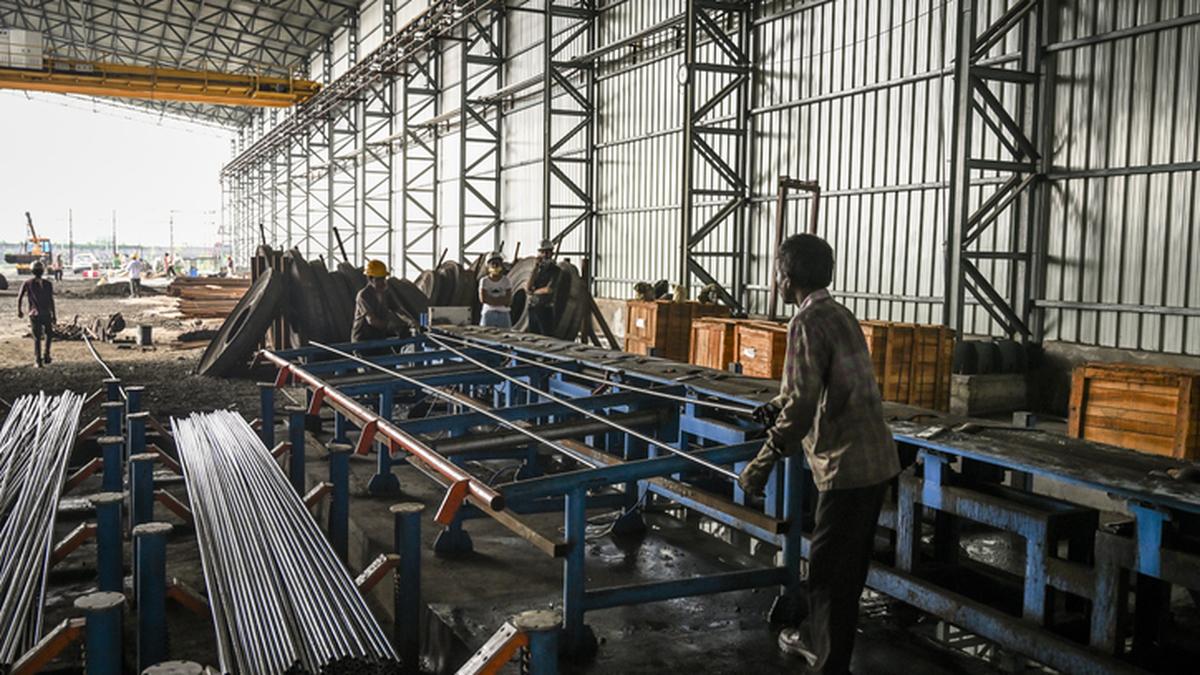
India’s eight core industrial sectors recorded a 0.4% contraction in March 2026, marking the most significant downturn in 19 months. This decline follows the immediate onset of the conflict in West Asia, which has disrupted supply chains and introduced volatility into the regional energy and logistics landscape. The core sector index, which serves as a primary barometer for industrial health, had previously maintained a trend of expansion before this sudden reversal.
Industrial Supply Chain Vulnerability
The contraction highlights the sensitivity of India’s heavy industry to external geopolitical shocks. The eight sectors, which include coal, crude oil, natural gas, refinery products, fertilizers, steel, cement, and electricity, rely heavily on stable input costs and predictable logistics. When regional instability in West Asia impacts shipping routes and energy pricing, the downstream effects manifest rapidly in industrial output. The March data serves as a definitive marker for how quickly localized geopolitical events can translate into domestic production deficits.
This industrial slowdown creates a challenging environment for companies tethered to infrastructure and manufacturing cycles. As firms navigate these supply chain constraints, the focus shifts toward inventory management and the ability to pass on rising input costs. Investors often look to broader stock market analysis to determine if this contraction is an isolated event or the beginning of a sustained period of lower industrial output. The current data suggests that the manufacturing sector is entering a phase of heightened sensitivity to global trade disruptions.
Valuation and Operational Risk
For companies operating within these core sectors, the primary concern is the compression of margins. If the 0.4% contraction persists into the next quarter, capital expenditure plans may face delays as firms prioritize liquidity over expansion. The reliance on imported energy and raw materials means that any prolonged volatility in West Asia will continue to act as a drag on performance metrics.
AlphaScala currently tracks the broader technology sector, where firms like ON Semiconductor Corporation face their own unique set of cyclical pressures. With an Alpha Score of 45/100, ON is currently labeled as Mixed, reflecting the broader uncertainty that industrial and tech-adjacent firms face when macroeconomic conditions shift. While the core sector contraction is specific to heavy industry, the ripple effects often influence the cost of capital and energy for the entire manufacturing ecosystem.
The Next Policy Marker
The next critical data point will be the industrial production figures for April and May 2026. These reports will clarify whether the March contraction was a temporary reaction to the initial shock of the West Asia conflict or if it represents a structural shift in industrial demand. Policy makers and market participants will monitor the government's response to these supply chain bottlenecks, specifically regarding energy subsidies or logistics support. The upcoming quarterly earnings season will also provide the first look at how individual firms are adjusting their guidance to account for these heightened operational risks.